European grain farmers lose €2bn as June heatwave destroys 9m tonnes
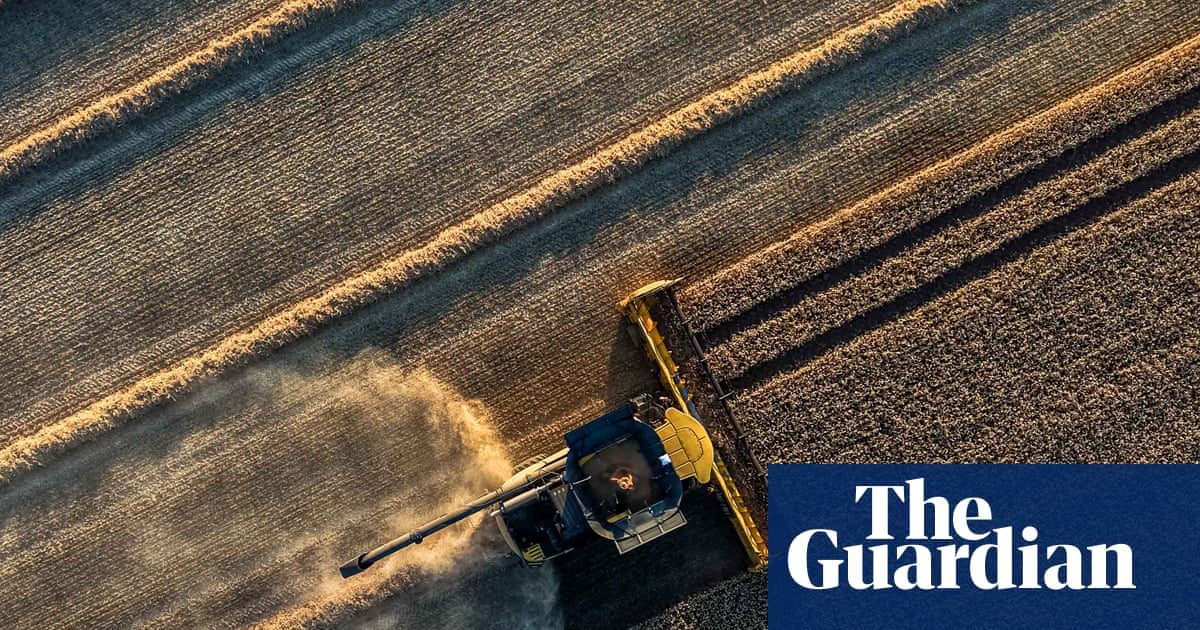
A record-breaking June heatwave has destroyed 9 million tonnes of European grain, costing farmers €2 billion and threatening to push up global food prices as the continent faces its smallest harvest since 2018.
June’s record-breaking heatwave has destroyed 9 million tonnes of European grain, costing farmers an estimated €2 billion in lost revenue. According to Coceral, the European cereals and oilseeds trade association, the losses will leave the EU and the UK with their smallest harvest since 2018. The sheer volume of destroyed wheat, barley, maize and oats exceeds the combined forecast grain production of Austria, Ireland and the Netherlands.
The damage stems directly from the hottest June ever recorded in western Europe. Maize crops were hit during the crucial pollination period, while wheat suffered during the "grain fill" stage when moisture is vital for development. The Energy and Climate Intelligence Unit (ECIU) calculated the €2 billion figure based on current prices, though this excludes additional losses in vegetables and livestock.
France bears the heaviest burden, with an estimated 3.4 million tonnes of maize lost, equating to €891 million in damage. Hungary and Spain follow with losses of 2.4 million and 1.4 million tonnes respectively. For growers like Benoît Merlo, a farmer in the Auvergne-Rhône-Alpes region, a decade of adapting to hotter conditions offered little defence. "With temperatures exceeding 38C for weeks on end, everything is breaking down," he said. "I’m expecting yield losses of at least 50%, or even 70%, for certain crops, such as soya."
In the UK, a dry spring compounded the June heatwave, hitting East Anglia and south-east England hardest. Helen Plant, lead analyst for cereals and oilseeds at the Agriculture and Horticulture Development Board, noted that the dry April and May conditions took a severe toll on spring crops and moisture-starved winter cereals. Many farmers have been forced to bring harvesting forward, with the final outcome still uncertain.
The financial implications extend well beyond individual farm incomes. “This will hit farmers in the pockets, reducing their income and undermining European food security at the same time," said Tom Lancaster, the ECIU’s land, food and farming analyst. "In the UK we have already seen three of the five worst harvests on record this decade, and recent heatwaves here will inevitably have cost British farmers again.”
A smaller European harvest will increase the continent’s reliance on grain imports, placing upward pressure on global commodity prices. This European shortfall arrives at a difficult moment for global supply chains, with severe droughts in the southern and western US also tightening grain and meat supplies. For European farmers, the immediate priority remains managing the fallout. “For many arable farmers, this could be another difficult and expensive harvest after extreme weather impacts in both 2024 and 2025 which saw both drought and flood," said Paul Tompkins, deputy president of the National Farmers’ Union.