Liverpool, police seize £1.2m targeting ticket touts as economic crime
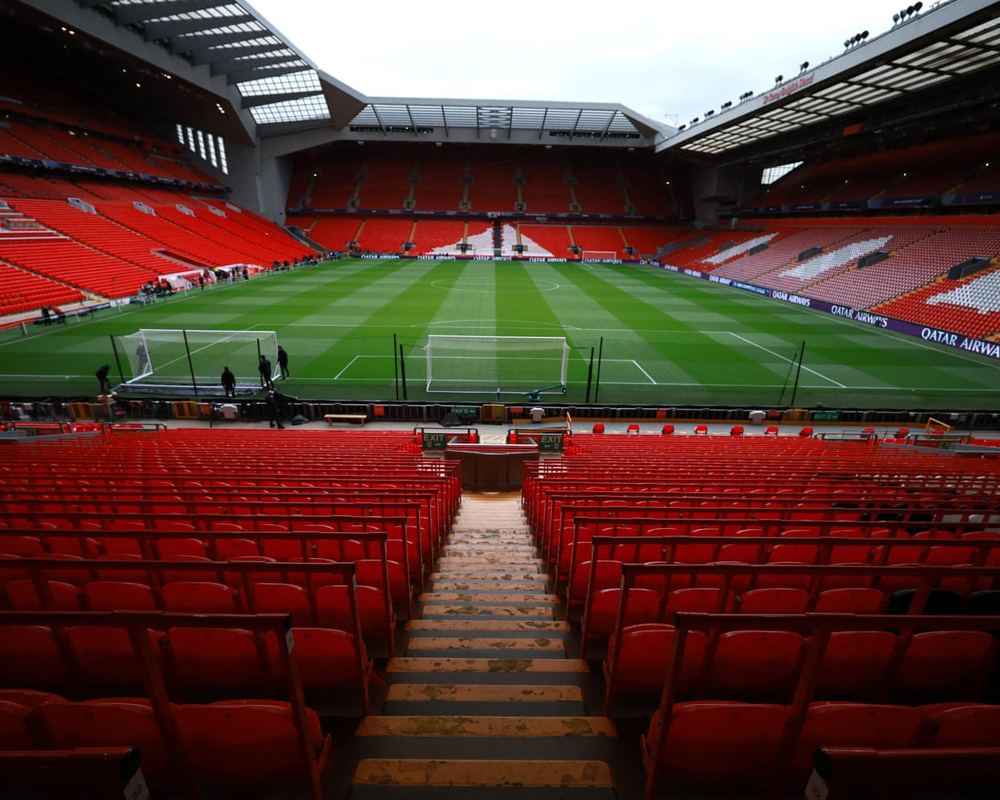
A pioneering UK partnership between Liverpool FC and Merseyside police has seized £1.2m in assets from ticket touts, establishing a new model for treating illicit sports ticketing as organised money laundering.
Liverpool FC and Merseyside police have seized £1.2m in assets and issued 432 lifetime bans following a landmark investigation into organised ticket touting. It is the first operation of its kind between a Premier League club and its local police force, targeting the illicit trade as a vehicle for laundering criminal proceeds rather than merely a consumer nuisance.
The club’s internal investigations team and the police economic crime unit analysed nearly 700,000 ticket registrations from last season. This data-driven approach led to the cancellation or blocking of 67,663 suspected fake accounts, while a further 121,379 accounts remain under active investigation.
By framing ticket fraud under the Proceeds of Crime Act, authorities successfully detained £1.2m in assets linked to organised touts. Two individuals have been convicted and a third is due in court next month. The seized funds will be split between Merseyside police and the Home Office, demonstrating the significant financial scale of this illicit market.
Most of the 432 lifetime bans and 115 indefinite suspensions targeted the unauthorised resale of season, membership and hospitality tickets. Those suspended face an average three-year wait before they can apply for reinstatement. Sanctions also covered three cases of racist and homophobic abuse, 13 instances of inappropriate touching or language, four assaults and one case of tragedy chanting.
Physical enforcement also intensified, with match-day operations around Anfield resulting in a 33% increase in the identification or seizure of burner phones. Detective chief inspector Nick Suffield, from Merseyside police’s economic crime team, said: “We will always take action to protect genuine fans who fall victim to touts when all they are trying to do is simply purchase tickets to support their team."
Suffield noted that efforts targeting online and physical tout networks would persist alongside supporter cooperation. “Our activities to target touts operating both online and on match days will continue and we work closely with supporters and clubs to keep identifying ticket touts and doing all we can to prevent them taking advantage of supporters and spoiling people’s experience of football and the city,” he said.
He offered a blunt warning to consumers who ultimately fund this black market. “Our advice to football supporters is clear: don’t buy from ticket touts,” Suffield said. “You will be taking a huge risk with a lot of money and may ultimately be refused entry to the match with no way of getting your money back.”