Ukraine appoints Mykhailo Drapatyi as commander-in-chief to drive military reform
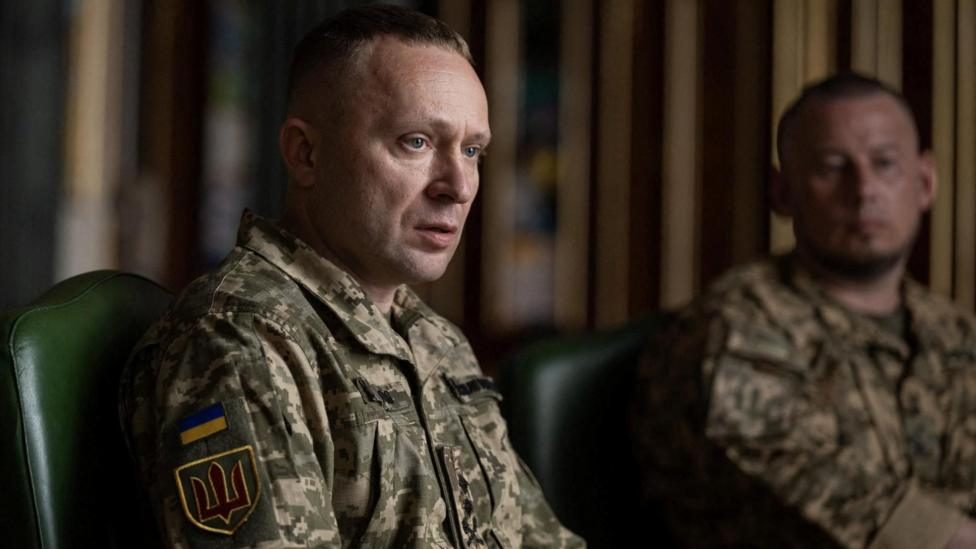
The appointment of Major General Mykhailo Drapatyi to lead Ukraine’s armed forces signals a push to overhaul military procurement and leverage the defence tech sector, a shift that will directly impact how European allies manage their financial and military support.
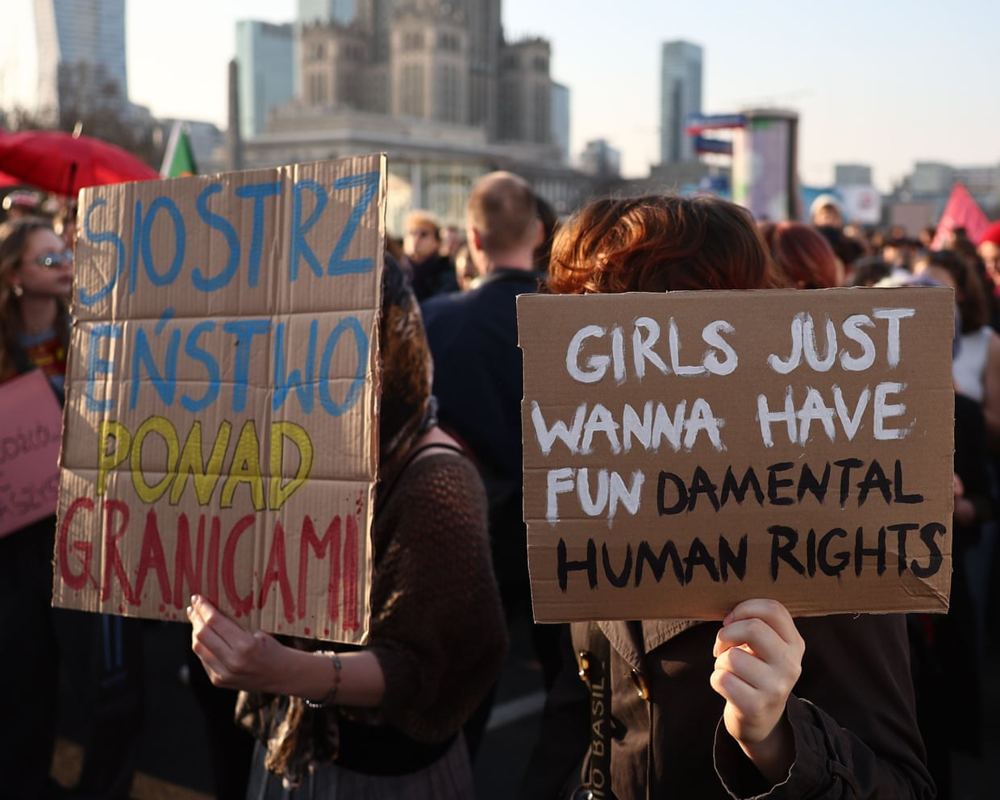
Major General Mykhailo Drapatyi, aged 43, has taken over from General Oleksandr Syrskyi as Ukraine’s top military commander, becoming the third person to hold the post since the 2022 invasion. The appointment was cheered by civil society and troops, with his name chanted at recent protests demanding Syrskyi’s dismissal.
For European governments and defence suppliers, the transition represents a potential shift in how military resources and Western aid are managed. Drapatyi inherits a mandate to tackle systemic corruption across conscription and defence procurement, while accelerating the integration of Ukraine’s rapidly growing technology defence industry.
Drapatyi built his reputation as a field commander who prioritises troop welfare, a stark contrast to the perceived disregard for human life under his predecessor. His commitment to accountability was demonstrated last year when he resigned as Ground Forces commander following a missile strike that killed 12 soldiers and wounded 60 others at a Dnipropetrovsk training ground.
Taking personal responsibility for the incident, he wrote that a military where commanders bear responsibility for personnel "keeps living," while one lacking accountability "dies." President Volodymyr Zelensky rejected the resignation and instead appointed him to lead the Joint Forces of the Armed Forces.
The new commander-in-chief faces immense operational constraints. Mykola Bielieskov, a senior analyst at the Ukrainian NGO Come Back Alive, notes that modern warfare relies on a complex combination of the government, the president's office, military suppliers, and Western partners.
He is expected to capitalise on recent battlefield successes driven by technological advances and a burgeoning tech defence sector. When he previously resigned, he listed ongoing efforts to reform combat training, address unfair mobilisation, and overhaul flawed procurement, warning that "there is expected resistance, but efforts need to be stepped up."
While rank-and-file soldiers welcome the change, veterans of the military leadership caution against expecting immediate miracles. Former army chief Valery Zaluzhnyi predicted Drapatyi will have a "very difficult time," and former interior ministry adviser Oleksiy Kopytko warned that public adoration quickly turns to blame.
In his first message in the role, Drapatyi pledged to work "without making loud promises, with responsibility for our decisions, and with respect" for those on the front line. European allies will be watching closely to see if his reform agenda can sustain the war effort through another harsh winter.