UK plans £25bn defence boost to drive reindustrialisation

The UK's new government plans to increase defence spending by more than £25bn to drive economic growth and reindustrialisation, marking a decisive shift away from traditional fiscal priorities.
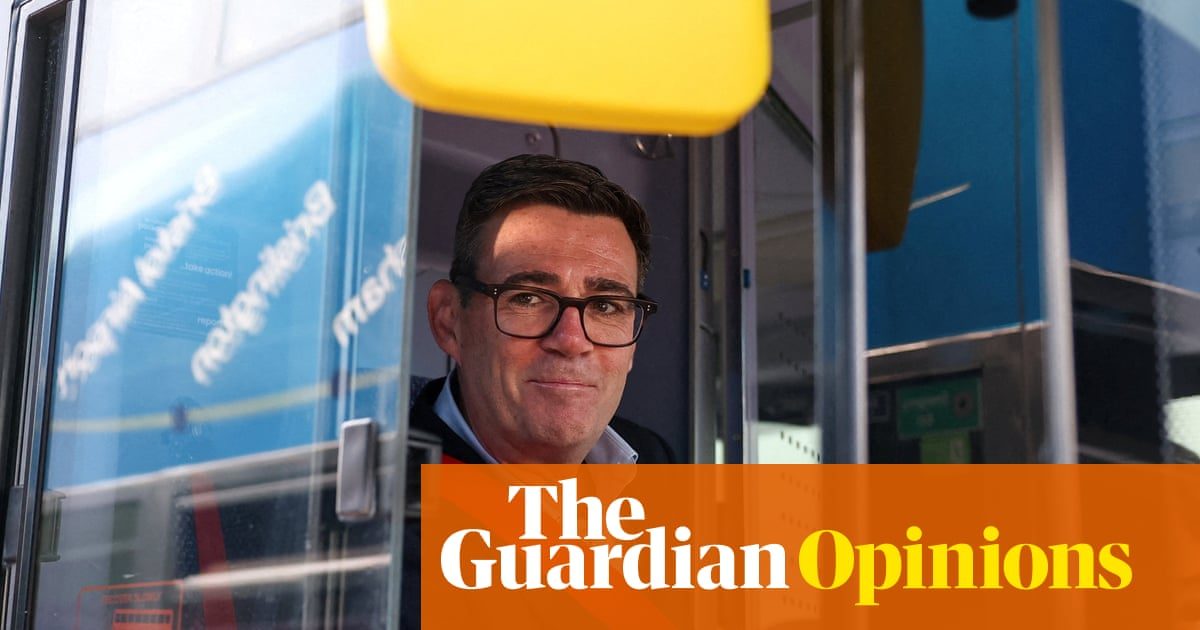
Andy Burnham’s new government has committed to raising UK defence spending from 2.6% to 3.5% of GDP by 2035, a real-terms increase of more than £25bn, explicitly framing the military budget as a primary engine for economic reindustrialisation.
The commitment represents a profound macroeconomic shift for Britain. By appointing former defence secretary John Healey as chancellor, Burnham has signalled that the Treasury and Number 10 are firmly aligned in rebalancing the economy towards the arms sector. This marks a decisive break from the traditional Labour blueprint that has long favoured directing state funds primarily into health and education.
Defence Secretary Wes Streeting used a keynote speech at the Farnborough airshow to promise the aerospace and defence industry "clarity and confidence" following the funding disputes that helped topple former prime minister Keir Starmer. Streeting argued that military procurement would make "an enormous contribution" to growth and jobs across the country. BAE Systems underscored that industrial potential by unveiling a £15m British prototype "loyal wingman" drone, designed and assembled in Lancashire to operate alongside Typhoon fighters.
However, this economic strategy carries strict fiscal trade-offs. Streeting subsequently warned that increased military spending would come at an "opportunity cost across government", requiring his department to prove it spends existing resources wisely. Economic critics have challenged the premise that defence is an optimal growth driver, with one thinktank warning that infrastructure cuts to fund defence plans could cost the UK 10,000 jobs.
The UK’s spending trajectory reflects a much wider European reassessment of security economics, driven by Russian aggression, systemic concerns over China, and explicit pressure from the US for Nato allies to increase their financial contributions. Britain has not allocated 3.5% of its GDP to defence since the immediate aftermath of the Cold War in the early 1990s.
Speculation is mounting that the new leadership may accelerate this trajectory to hit 3% by 2030, which would require an additional £9bn a year by the end of the decade. Healey resigned from Starmer’s cabinet last month specifically over the refusal to commit to that date, complaining the former premier only offered 2.7%. Streeting dodged questions on the 2030 target, stating it was "not for me to write the chancellor’s budget".