OpenAI raises infrastructure budget to $750bn and plans Georgia data centre
OpenAI has increased its infrastructure spending target to $750 billion through 2030 and announced a $20 billion data centre in Georgia, underscoring the massive energy and capital demands reshaping the global artificial intelligence race.
OpenAI announced on Wednesday that it will spend $750 billion on infrastructure through 2030. This represents a 25% increase from its earlier estimates this year, arriving as its Stargate data centre project appears to have stalled.
The initial phase of this expansion is Project Camellia, a $20 billion data centre campus in Georgia. The 1,400-acre site northwest of Savannah will require at least 3.2 gigawatts of power from the regional utility, Georgia Power, with generating capacity expected to come online between 2028 and 2032.
For European investors and policymakers, the sheer scale of the commitment highlights a widening transatlantic gap in compute infrastructure. It signals that the artificial intelligence hardware boom is far from peaking, locking in vast amounts of capital and energy. OpenAI will cover the full cost of the infrastructure and electric-service costs, navigating a local regulatory environment that prevents utilities from passing such massive expenses on to other ratepayers.
To protect the local grid, the company agreed to reduce its power draw by up to 1 gigawatt during periods of high demand. In return, Effingham County is granting the project a 50% property tax abatement for 15 years.
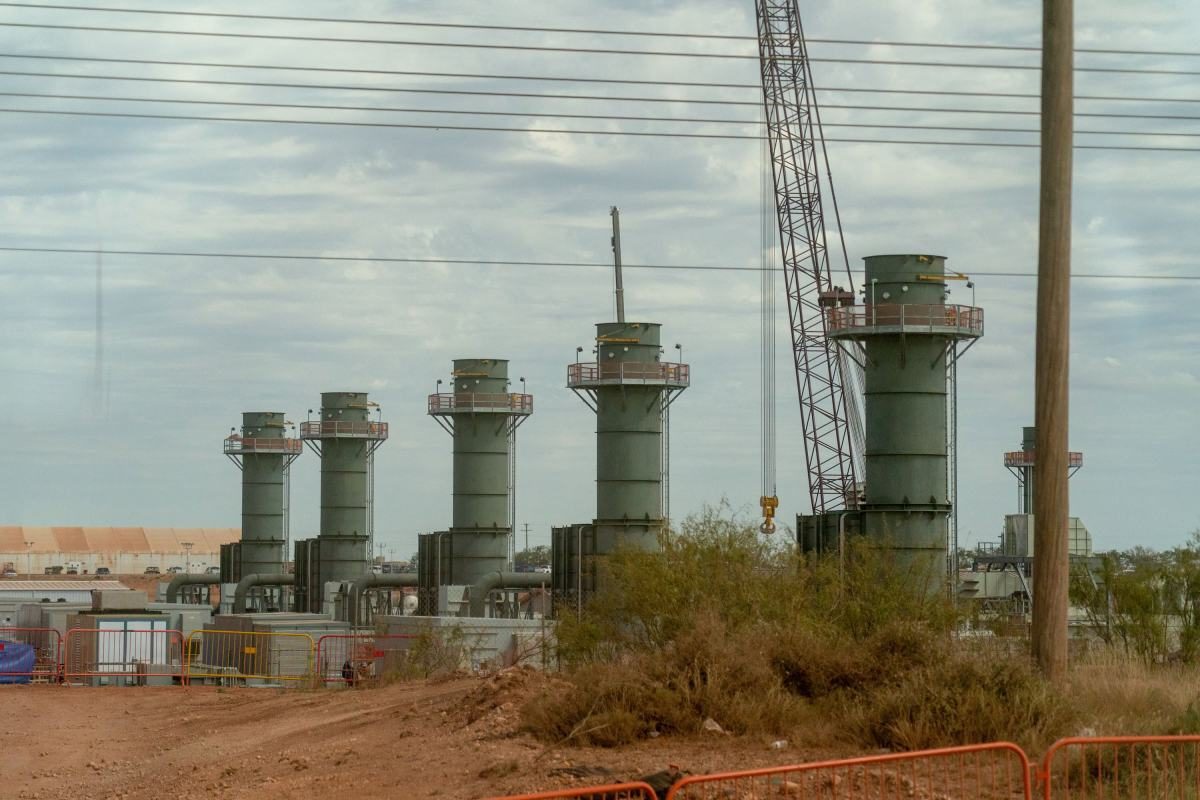
The environmental implications of this expansion are significant and contrast with Europe’s stricter climate mandates. While neither company has confirmed the power source, regulatory filings show Georgia Power expects most of its new capacity to come from natural gas to meet the OpenAI deal, which accounts for about a third of its newly approved 9,885 megawatts.
The utility plans to build or buy about 5.8 gigawatts of natural gas generating capacity from third parties. This addition will more than double its natural gas fleet, with a quarter coming from more polluting simple-cycle turbines and the remainder supplied by grid-scale batteries and solar.
OpenAI has not specified when the first graphics processing unit will be activated, though it could precede the 2028 electricity delivery. The company recently hired Brett Mayo to lead data centre construction, leveraging his experience building the Colossus facility for xAI in Memphis.
That rapid construction approach carries environmental risks that European markets are watching closely. Colossus is currently the subject of a lawsuit from the NAACP and the Southern Environmental Law Center over alleged damage to local air quality from unpermitted natural gas turbines claiming exemption from federal clean air regulations.