US AI data centre opposition rises as Virginia tax gains highlight infrastructure costs
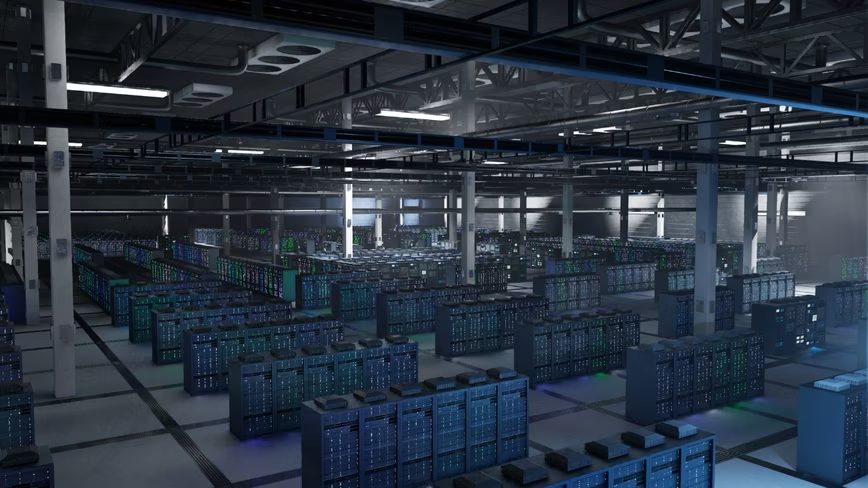
Americans want the AI boom. They just do not want it on their street. A new poll finds most US residents would rather not live near an AI data centre. Yet the same buildings quietly bankroll schools where they cluster. More than half of US residents, 53%, oppose building an AI data centre in their […] This story continues at The Next Web
A majority of United States residents now oppose building artificial intelligence data centres in their local communities, according to a new survey. This resistance highlights a growing friction between the rapid expansion of the technology sector and the residential areas expected to host its physical infrastructure.
A Redfin-commissioned Ipsos poll from May reveals that 53 per cent of Americans reject nearby data centres, while only 34 per cent support them. These facilities face more local hostility than new apartment blocks, which 39 per cent oppose, or mixed-use developments at 32 per cent. Opposition is heavily concentrated among older generations, with 65 per cent of baby boomers and 60 per cent of Generation X against the projects, compared to roughly 42 per cent of Generation Z and 43 per cent of millennials.
Residents cite practical concerns over power and water strain, noise pollution, and the intrusion of large industrial buildings into neighbourhoods. There is also a broader economic anxiety, as 58 per cent of respondents believe the technology will eliminate jobs and reduce housing affordability. This mood is already driving legislative action, with New York recently becoming the first state to freeze new facility construction.
For global investors and European policymakers watching the US market, the fiscal reality in hosting regions presents a complex counterweight to the backlash. Loudoun County in northern Virginia hosts 176 data centres, more than double any other county, while neighbouring Prince William ranks third nationally with 77. Both jurisdictions tax the computer equipment inside these buildings, generating massive revenue windfalls.
Personal-property tax revenue per resident surged 639 per cent in Loudoun and 349 per cent in Prince William over 15 years, compared to a 91 per cent increase in nearby Fairfax. This influx allowed education spending per resident to climb 77 per cent to $2,955 in Loudoun and 82 per cent to $1,589 in Prince William. Teacher salaries in Loudoun rose roughly 40 per cent to about $83,000, outpacing the neighbouring county.
The corporate tax base also provided direct relief to local homeowners. Prince William reduced its real-property tax rate from $1.12 to $0.92 per $100 of value between 2022 and 2025. “That revenue can help fund growing budgets without putting the same pressure on residential real estate taxes,” noted Redfin economist Yingqi Xu.
However, Xu cautioned that such windfalls “doesn’t automatically translate dollar-for-dollar to public spending.” Redfin agent Matt Ferris observed that his clients ultimately care more about the physical disruption than the tax gains. As Virginia introduces a new statewide tax on the power drawn by these sites, the ultimate trade-off between local strain and municipal wealth remains unresolved for future markets.