Russia exploits 27,000 vulnerable foreigners to sustain Ukraine war
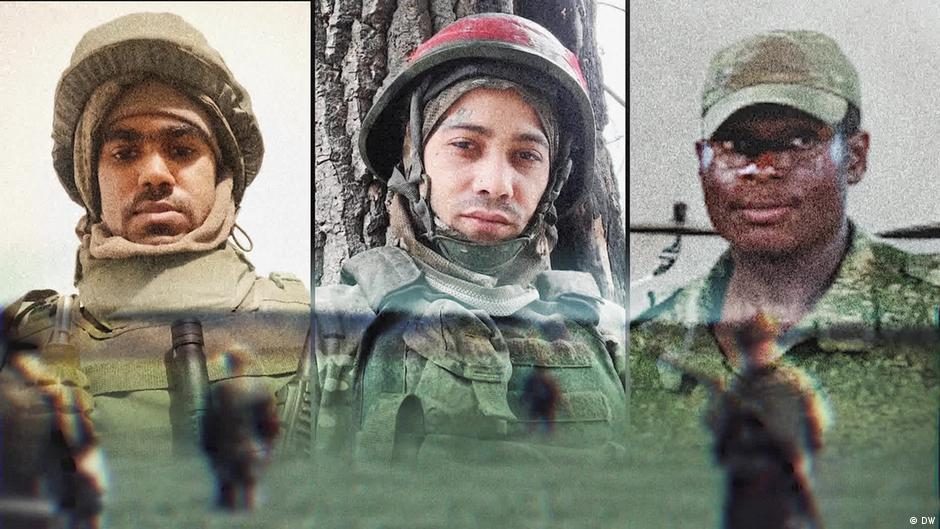
Russia has built a global network to recruit an estimated 27,000 foreign nationals to fight in Ukraine, highlighting Moscow's ability to sustain its military campaign by exploiting severe economic desperation abroad.
Russia has built a covert global network to funnel an estimated 27,000 foreign nationals into its war in Ukraine, according to Ukrainian military intelligence and a new joint human rights study. The recruitment pipeline targets people in economically and legally precarious situations across developing nations, offering high wages or deceptive job contracts.
For European policymakers, the scale of this recruitment exposes a critical dynamic in the prolonged conflict. Moscow is successfully substituting its domestic manpower losses by exploiting global poverty, effectively turning economic desperation in the Global South into a military asset on Europe's eastern flank.
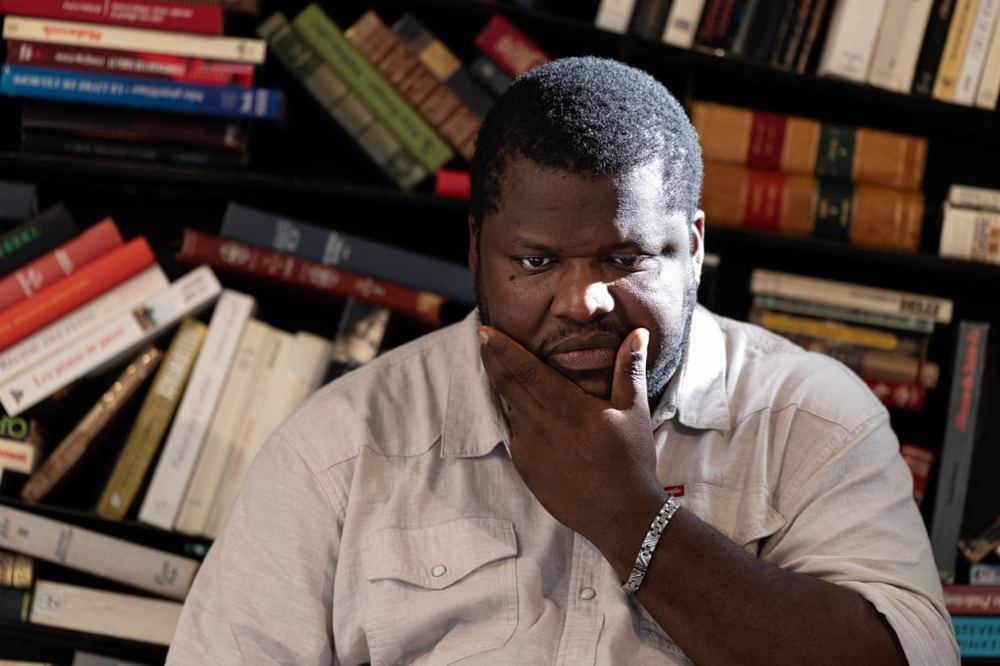
A study by the International Federation for Human Rights, Truth Hounds, and the Kazakhstan International Bureau for Human Rights documented the methods used. "This recruitment targets people in economically, socially and legally precarious life situations. The methods employed range from enticing offers to deception and even coercion," said Ilya Nusov, one of the authors.
While some recruits, like Kenyan former soldier Oscar Khagola Mutoka, appear to have known they were signing up to fight, many others are trafficked. Arman Mondol from Bangladesh paid a recruiter to secure what he was told was a warehouse packing job. After traveling on a tourist visa via Saudi Arabia, he was forced to sign a Russian-language military contract. "When we were on a mission, they always sent us ahead while they remained behind us. They used us as human shields and pushed us into the thick of the fighting," Mondol said.
For others, the financial incentives are deliberately tailored to local poverty. Yoan Viondi Mendoza, a 23-year-old Cuban, was promised $2,000 a month and Russian citizenship, a staggering offer compared to Cuba's $20 average monthly wage. He told reporters in September 2023 that he did not want to starve to death in Cuba. He was later killed in action after his brother said he tried to desert, pleading: "I made a mistake. Forgive me. Please get me out of here quickly."
Legally, these practices exist in a grey area. Because many recruits adopt Russian citizenship before deployment, they are not classified as mercenaries under international law. However, those deceived into fighting arguably qualify as victims of human trafficking under the UN Palermo Protocol, which Russia has ratified.
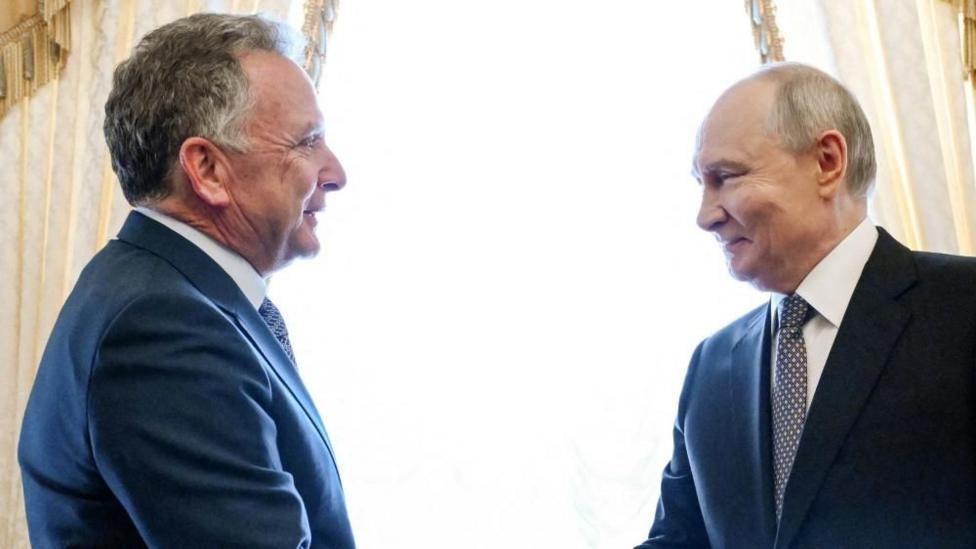
The fallout is generating diplomatic friction that reaches Europe's partners. Families have protested from Nepal to Peru, and leaders like Indian Prime Minister Narendra Modi have raised the issue directly with Vladimir Putin. Russia claims all participation is voluntary, with Foreign Minister Sergei Lavrov stating in March that "volunteers get there in full compliance with Russian legislation."
Moscow reportedly restricted recruitment from certain friendly countries in February 2026, but the influx continues. "In some cases, this has contributed to reducing or even stopping the influx of fighters from certain countries at least temporarily," Nusov said. "But we believe that Russia also has ways to circumvent this by reducing recruitment in one place and focusing on a different country."
Ukraine's Coordination Headquarters for the Treatment of Prisoners of War estimates Russia could still recruit up to 18,500 foreign nationals in 2026. Brokers are simply shifting their focus to new, vulnerable populations to sustain the front lines.