European EV sales surpass 25% market share as transition accelerates
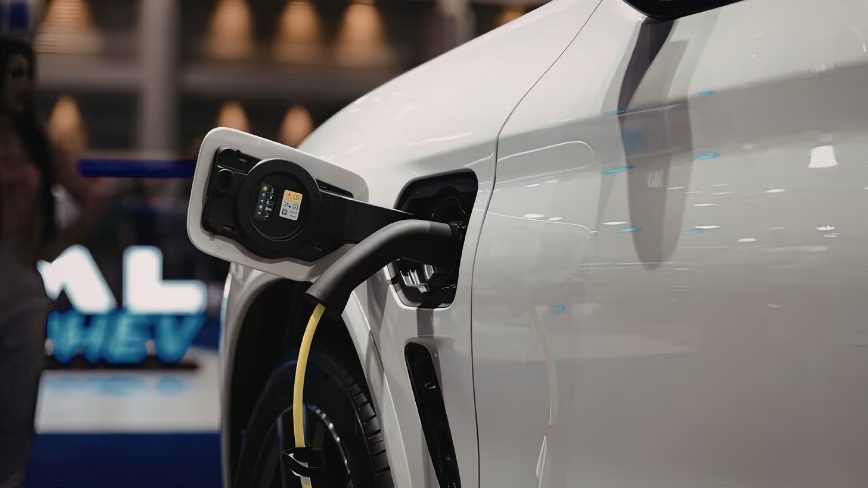
Battery-electric vehicles have crossed a quarter of all new European car sales for the first time, a structural shift driven by earlier oil price shocks and intensifying Chinese competition that threatens to upend the continent's legacy automakers.
Battery-electric vehicles accounted for more than a quarter of new car sales across Europe in June for the first time in history. Registrations hit 275,060 across 17 markets, a jump of nearly 40 percent compared to a year earlier, according to New AutoMotive. The surge pushed first-half volumes above 1.24 million, marking the strongest start to a year on record.
The milestone confirms a structural break in consumer demand rather than a temporary blip. An oil price spike above $100 a barrel earlier this year triggered the initial swing, pushing March registrations up 51 percent. Crucially, the momentum has held even as fuel prices partially retreated, driven by tightening EU CO2 fleet targets and an influx of cheaper models.
The shift is being led by the continent’s traditional automotive powerhouses. Germany registered 84,057 battery-electric vehicles in June, capturing over 28 percent of its market and posting a nearly 50 percent increase for the first half. France posted an even higher share at almost 30 percent in June, with first-half volumes surging more than 60 percent year on year.
Yet the data exposes a continent moving at starkly different speeds. Norway has effectively finished its transition, with electric models taking nearly 98 percent of first-half sales, while Ireland crossed the 50 percent threshold in June. At the other extreme, Italy remains heavily reliant on diesel and lacking in charging infrastructure, with EVs still below seven percent of sales despite nearly doubling in volume.
Policy interventions continue to create sharp market distortions. The Netherlands saw a nearly 20 percent drop in first-half registrations, a direct hangover from buyers rushing purchases ahead of tax incentive changes at the end of 2025. Sweden also recorded an 11 percent decline.
The investment implications are becoming clear for Europe’s legacy carmakers. Chinese manufacturer BYD is already building its first European factory in Hungary and scouting a second site, betting that European demand is structural. This localized Chinese production, combined with the global battle between BYD and Tesla, is set to squeeze margins for European manufacturers just as they must spend heavily to retool their own factories.
The debate within the European automotive industry has permanently shifted. The question is no longer whether electric vehicles will dominate the market, but who will manufacture them. At the current trajectory, battery-electric vehicles are on track to exceed a third of all European new car sales before the end of 2027.