EU approves Science Corp's vision chip to treat blindness
Science Corporation has secured European regulatory approval to sell a microchip that restores sight, giving the brain-computer interface startup a viable near-term product to fund its longer-term ambitions.
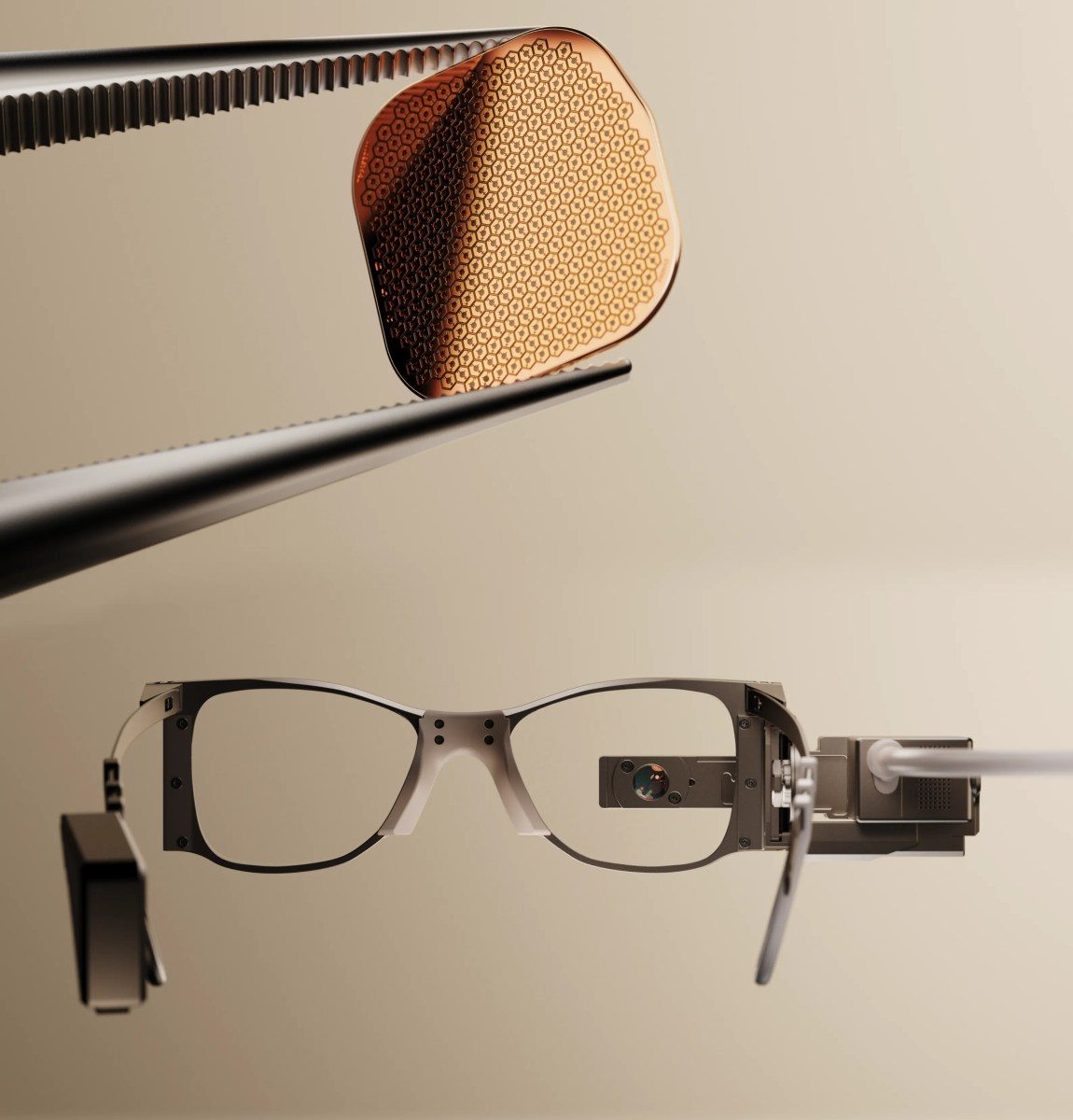
Europe’s medical device regulator has approved Science Corporation to begin selling PRIMA, a chip implanted in the eye that restores vision lost to age-related macular degeneration. The condition destroys light-sensitive cells at the back of the eye, severely impairing the ability to read or recognize faces. Patients undergo an hour-long outpatient procedure to implant the chip, which then receives visual data from camera-equipped glasses.
Max Hodak, the company’s founder and chief executive, said the device provides functional vision to those who have lost it. “One of our patients in France finished a 300-page novel a little while ago, and sent us the book,” Hodak said. “We have a sketch on the wall [that] one of our patients drew of the Sydney Opera House. There are videos of patients playing crossword puzzles and filling in Sudoku.”
The regulatory win is a crucial commercial milestone for a brain-computer interface sector that has largely relied on venture capital without generating significant revenue. Hodak, who co-founded Neuralink before leaving in 2021, argued that the industry needs immediate commercial viability to survive. “The thing that the space needs is a company making $100 million a year of revenue,” Hodak said. “There’s this risk that the whole thing enters a winter, and so we think it’s important to build a sustainable business as we develop these longer-term technologies.”
Science Corp. acquired the French firm Pixium, the original developer of PRIMA, in 2024 to secure this product. Commercializing it, however, will require navigating complex European healthcare economics. Each device is expected to cost in the hundreds of thousands of dollars, meaning the company is currently in discussions with healthcare providers over reimbursement structures. The first commercial procedures are expected in Germany, where clinical trials took place, potentially as soon as September.
Revenue from PRIMA is intended to bankroll far more experimental technology. The company is working with Dr. Murat Günel, chair of Yale Medical School’s Department of Neurosurgery, to develop a directly implanted bio-hybrid brain sensor for human trials. Hodak said bringing PRIMA to market is “the most important thing for the company, because we don’t get to do the bio hybrid stuff long term if you don’t have a great vision business. That’s what’s really financing the rest of it, that’s the thing that investors know how to build spreadsheets around.”
In the United States, the device has received a designation from the Food and Drug Administration as a first step toward an expedited review for two rare forms of blindness. Meanwhile, Science Corp. plans to iterate on the hardware, aiming to shrink the required battery pack into a form factor resembling standard augmented reality glasses.