Booming longevity sector warned of looming European regulatory shock
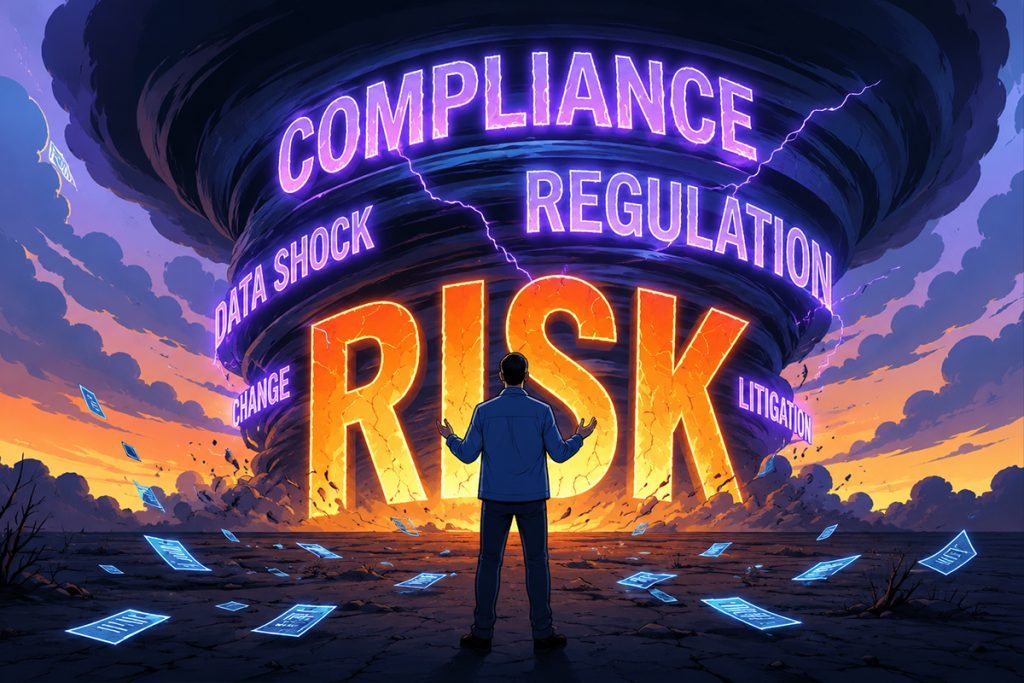
Wellthspan Advisory’s Nadine Esposito explains why resilient longevity companies will outlast fast‑growth ones. The longevity sector is expanding at remarkable speed. Depending on where you draw the boundaries, the broader longevity market – diagnostics, digital health, prevention, and age‑related services – was already worth tens of billions of dollars in 2020 and is on track […] The post Regulatory blind spots in the longevity economy appeared first on Longevity.Technology .
The longevity economy, spanning diagnostics, digital health, and age-related services, is hurtling toward a regulatory inflection point. The broader market was worth tens of billions of dollars in 2020 and is projected to reach several hundred billion in the coming years. However, Swiss-based advisory firm Wellthspan Advisory warns that most emerging companies are built for speed rather than durability. "Regulatory inflection points are not a question of if, but when," said founder Nadine Esposito.
European regulators are already tightening the net. Aggregate GDPR fines across all sectors reached roughly €5.65 billion by 2025, with data protection authorities increasingly active in health-related cases. This comes amid a global spike in healthcare data vulnerabilities, with over 170 million individual records exposed in US breaches in 2024 alone. "The message is clear: health data demands institutional-grade protection," Esposito noted.
A structural mismatch
The sector's fundamental tension is a mismatch between long-term promises and fragile operations. Longevity companies collect highly sensitive health data, operate across borders, and make forward-looking claims about biological age or disease delay that consumers lack the expertise to evaluate. Despite these high-stakes exposures, governance maturity frequently lags behind growth velocity.
The risk profile mirrors the vulnerabilities that plagued financial services before regulators mandated explicit operational resilience standards. A breach at a longevity clinic network could expose thousands of detailed health profiles. The insolvency of a subscription platform could strand consumers with pre-paid packages. Overstated claims could trigger severe regulatory backlash, causing sector-wide distrust and harsher oversight.
The investor filter
For European investors, governance quality must now be weighted equally against growth metrics. Due diligence must extend beyond revenue projections to examine data-protection architecture, clinical validation strategies, and incident-response plans. When regulatory expectations rise, operational readiness becomes the primary filter for survival. Companies designed purely for rapid expansion will struggle to adapt.
Policymakers are encouraged to provide clear, proportionate guidance to support responsible growth rather than waiting for enforcement actions. For the companies themselves, risk and compliance must be embedded into product design from the outset. "Innovation without resilience is short-termism dressed up as futurism," Esposito warned. For an industry selling longer lives, building institutions capable of lasting decades is the only credible path forward.