Nordic walking gains ground as Europe seeks low-cost health fixes
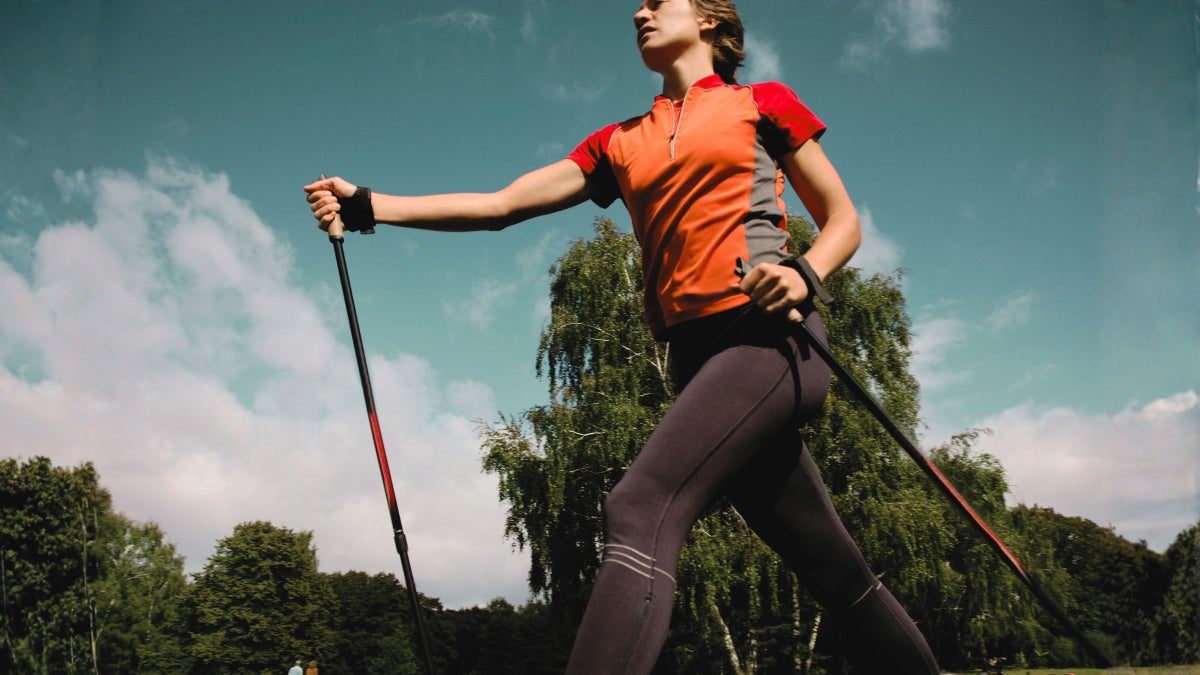
A Finnish-born fitness trend is gaining traction among younger Europeans, offering a low-cost, high-return intervention for chronic disease and mental health management.
Nordic walking, a full-body exercise originating in Finland in the early 1990s, is experiencing a demographic shift. Once the preserve of older generations, the activity is now gaining traction among younger Europeans, fuelled by social media and a growing body of clinical evidence supporting its health benefits.
For European health systems grappling with ageing populations and rising chronic disease burdens, scalable and low-cost interventions are critical. Nordic walking requires only a pair of specialised poles but delivers cardiovascular and mental health returns that rival more intensive regimens.
“Nordic walking is a whole-body activity that engages the arms, shoulders, trunk, and legs,” said Jennifer Reed, a researcher at the University of Ottawa Heart Institute. Because it activates more muscle mass, it increases cardiovascular demand compared to standard walking.
Research published in The Canadian Journal of Cardiology by Reed found that patients with coronary artery disease showed greater improvements in functional capacity after 12 weeks of Nordic walking than those doing high-intensity interval training. A separate 2025 review of 22 studies, involving 1,271 people, confirmed the activity improves oxygen consumption and reduces both systolic and diastolic blood pressure.
The mental health implications are also economically relevant for workplaces and public health services. A 2026 study of 64 adults with moderate to severe depression found that those doing Nordic walking twice a week saw significant symptom improvements within just five weeks, outperforming the non-exercising control group.
For individuals managing chronic conditions, the activity offers a gateway to physical activity. “Nordic walking provides a low-impact form of aerobic exercise while offering additional support and stability through the poles,” Reed said. An analysis of 14 studies showed it eases pain and fatigue, though Dr. Caitlyn Mooney, an orthopedic surgeon at Vanderbilt University Medical Center, cautioned: “It’s important to recognize that Nordic walking is not a cure for chronic pain or fatigue.”
A technical exercise, not a casual stroll
The efficacy relies on specific mechanics. “Hiking with hiking poles minimizes effort and makes your hike easier, while Nordic walking maximizes effort, making your walk more challenging,” said Barb Gormley, a Nordic walking master trainer.
The technique originated when “cross-country skiers used poles during the snow-free months to maintain their conditioning,” Mooney said. Rather than leaning on the poles for balance, users push them backward to propel themselves forward.
As the trend matures, the European consumer market for specialized equipment is likely to see a corresponding lift. Gormley advises newcomers: “Be sure you buy real Nordic walking poles, not hiking poles.”
For those looking to adopt the practice, the barrier to entry remains low. “Even incorporating one or two Nordic walking sessions each week can add variety and increase exercise intensity without substantially increasing impact on the joints,” Mooney said.