Greece bets on new trail network to draw tourists to Peloponnese
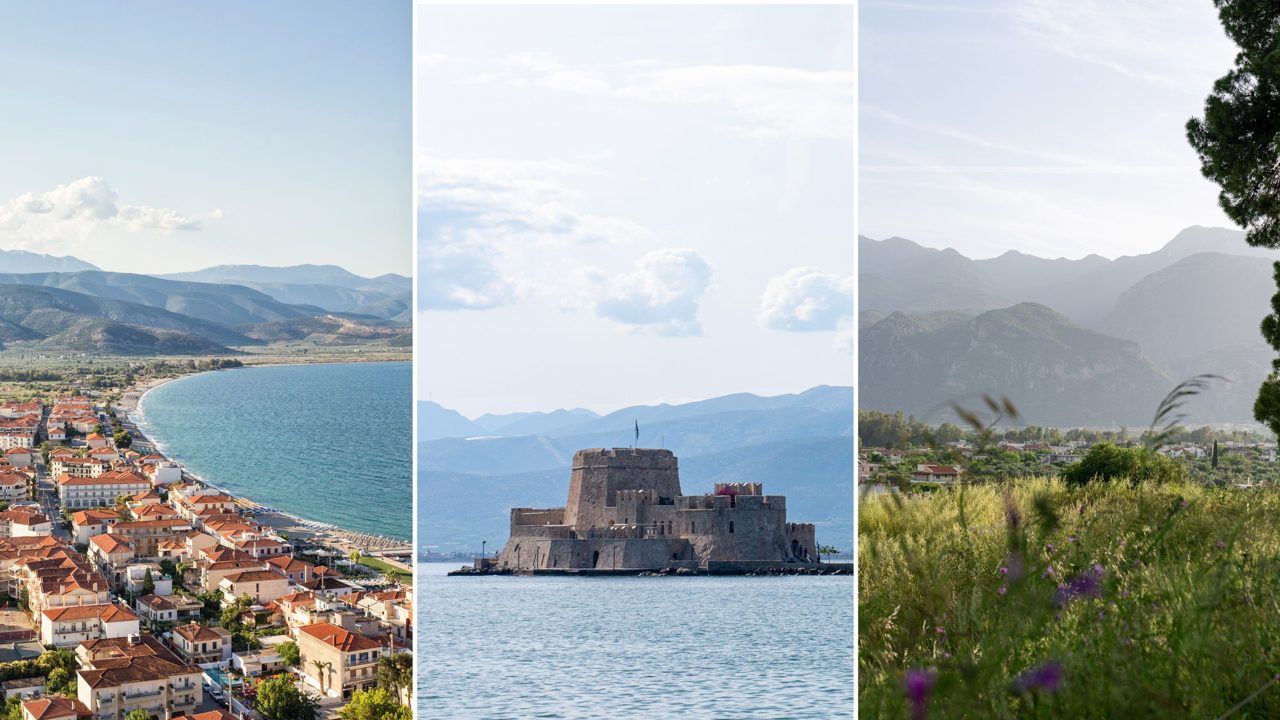
Greece has opened the country's largest hiking network in the Peloponnese, a move designed to attract luxury investment and reverse decades of rural economic decline ahead of a Hollywood blockbuster release.
Greece has launched the Peloponnese Trail Network, the country’s largest hiking system, connecting nearly 1,200 miles of ancient footpaths across the peninsula. The project opens 11 official trails, aiming to draw visitors to a region that currently attracts only three in every 100 foreign travelers arriving in Greece.
The trail network is the latest step in a two-decade effort to open the peninsula to global tourism and stimulate its economy. New highways and tunnels built in the early 2000s cut travel times from Athens, laying the groundwork for commercial development.
That infrastructure investment is now bearing fruit. The Costa Navarino eco-retreat, launched by ship captain Vassilis Constantakopoulos roughly a decade ago, was designed specifically to stop the exodus of local residents to the capital. The retreat has since leased land to W Hotels and Mandarin Oriental, which opened outposts in 2022 and 2023, with Four Seasons and Six Senses expected next year.
This economic push is getting an unexpected boost from Hollywood. Christopher Nolan’s new film, The Odyssey, was partially shot on location in the southern Messinia region, featuring landmarks like Nestor’s Cave and Methoni Castle. The blockbuster, starring Matt Damon and Tom Holland, is expected to drive international interest in the peninsula.
For the local economy, the influx of visitors cannot come soon enough. The Peloponnese has suffered severe population declines following World War II, a civil war, and the 2008 financial crisis. Young Greeks left in large numbers for Northern Europe and Australia, reducing villages like Vamvakou and Lasta to single-digit or zero year-round residents.
The new trails are designed to distribute tourist spending beyond Messinia and into the peninsula's four other administrative regions, including remote areas like Mount Parnon. Nikos Stakias, who spent two decades in hospitality abroad before returning home, is among the locals driving the community-led network.
Tourism is also being leveraged to fund cultural preservation. In Leonidio, a town near the new Parnon Trail, residents are using local festivals and educational workshops to preserve Tsakonian, a rare dialect spoken by direct descendants of ancient Spartans. "Language is not just words, it’s a culture alive," said Eleni Manou, a local author organizing the preservation efforts.