Europe's heat-driven drought hits food and energy supply
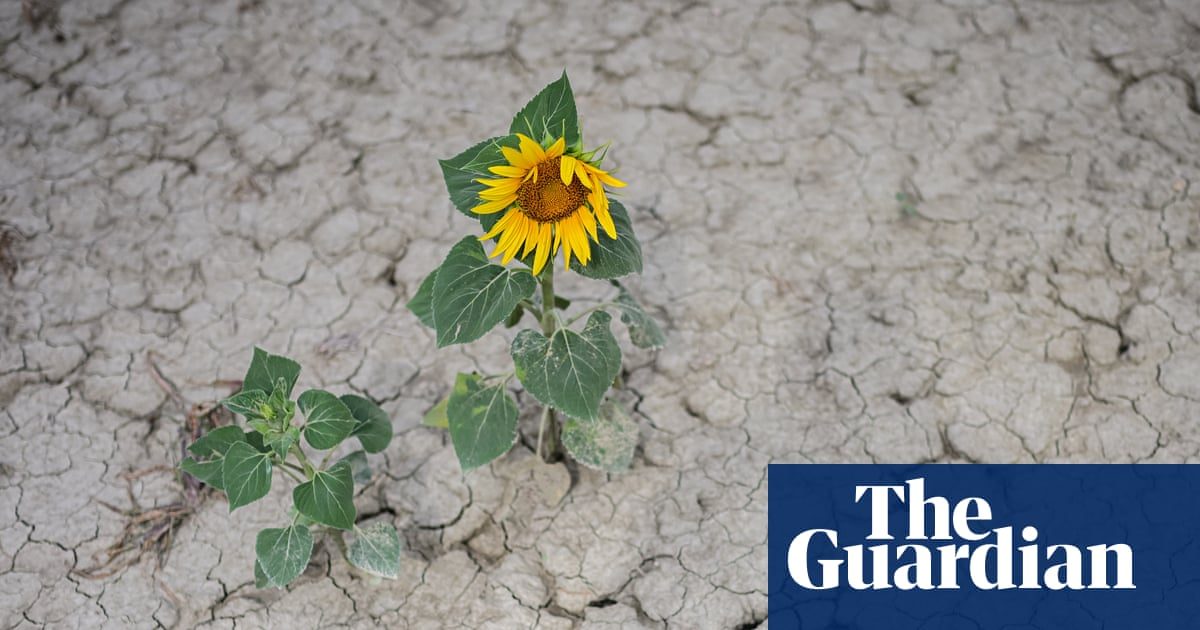
Rising temperatures are evaporating Europe's water reserves, destroying harvests, disrupting river freight and driving up prices.
A rapid scientific analysis has found that extreme heat, rather than a lack of rainfall, is driving a severe drought across Europe that arrived two months earlier than a comparable crisis in 2022. The World Weather Attribution consortium determined that record-breaking temperatures are actively evaporating water from soils and waterways, creating conditions now classified as extreme in western Europe.
The economic toll of this evaporative drought is already severe. Farmers across the continent are facing some of the driest soils on record, with an estimated 9 million tonnes of grain expected to be lost. France is anticipating its worst maize harvest in 50 years, while Romanian farmers have lost over a million hectares of crops. Researchers warn this agricultural damage will push up food prices.
Infrastructure and energy networks are also under strain. Low rivers are restricting cargo ships and cutting the generation of clean hydropower. The Rhine at Lobith in the Netherlands has fallen below the minimum level recorded during the hot summer of 1976, threatening a vital freight artery. In the UK alone, lost working hours due to high temperatures cost the economy more than £1 billion.
Western Europe actually experienced a wet winter, but scientists say the climate crisis is fundamentally redefining drought. Hot air is aggressively pulling moisture from the ground before summer even begins. “As temperatures climb, the atmosphere’s thirst increases quickly, sucking moisture out of rivers, lakes, reservoirs and the soil,” said Dr Dominik Schumacher at ETH Zurich. He noted that this rapid transition from wet to dry also fuelled the deadly wildfires that have raged through Spain and France.
The study found these hot, dry conditions were made 80 times more likely in western Europe and 40 times more likely in the east by fossil fuel pollution. The human cost is stark, with an estimated 20,000 Europeans dying due to high temperatures. Dr Mariam Zachariah, at Imperial College London, warned that without rapid emissions cuts, these intense conditions could double in likelihood if global warming reaches 2.8C.