UK carmakers lobby to scrap 2035 combustion ban
Major manufacturers are pressuring the UK government to reverse its 2035 ban on petrol and diesel cars, a move that echoes the EU's recent target rollback and signals deep industry anxiety over the pace of the electric transition.
BMW, Ford, Nissan, Toyota and parts supplier Bosch have privately urged the UK government to abandon its 2035 ban on new petrol and diesel cars. In a joint letter sent to ministers in April, the manufacturers called for an "open technology approach" that would permit internal combustion engines, hybrids and e-fuels beyond the deadline.
The lobbying effort mirrors the European Union's own retreat on decarbonisation, after Brussels weakened its 2035 targets to require 90% electric car sales rather than a full 100% ban. For European markets and investors, the letter highlights a widening rift between the regulatory timelines set by politicians and the actual consumer demand for battery electric vehicles.
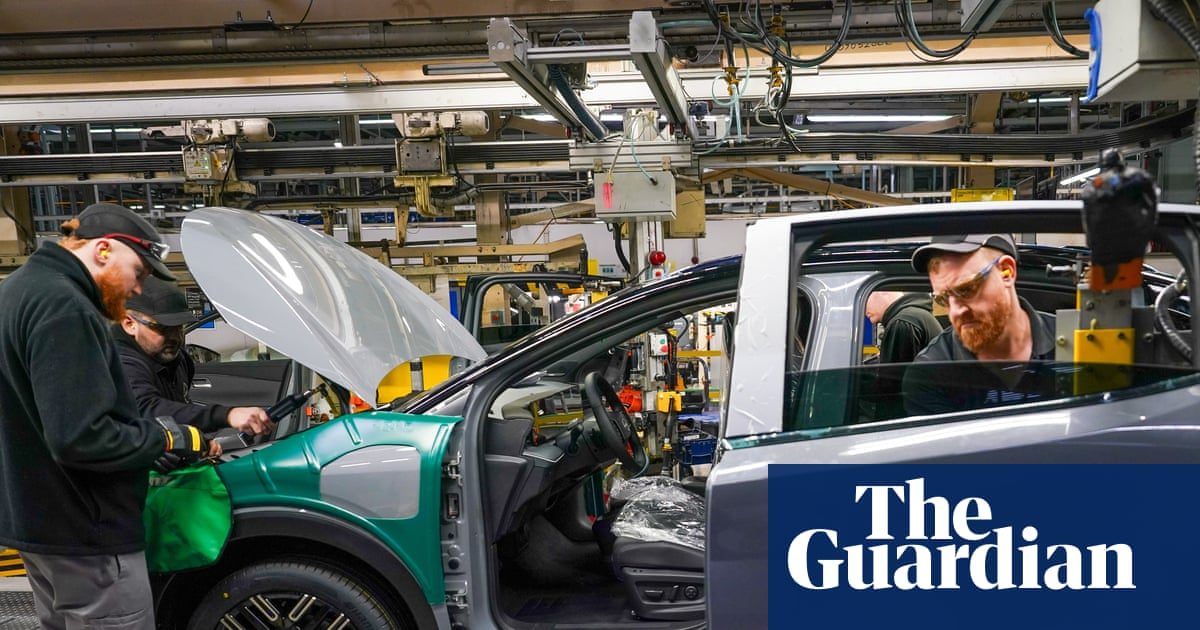
The manufacturers hold significant leverage, directly employing around 30,000 people in the UK across plants like Nissan's Sunderland factory, BMW's Mini site in Oxford and Ford's Dagenham operations. The companies argue that forcing a rapid transition risks these industrial bases, pushing instead for a "multipath strategy" that matches the revised EU framework.
To justify keeping combustion engines on the road, the carmakers suggested that extra emissions could be offset by using lower-carbon steel and synthetic e-fuels. However, experts widely dismiss e-fuels as unviable at scale due to massive energy wastage in their production.
The UK government insists the 2035 ban is not up for negotiation, pointing to a domestic EV market where sales are up 35% year-on-year in June and a £2bn state grant scheme. Yet the Labour administration has already introduced "flexibilities" into electric vehicle targets running up to 2030, and is currently considering further changes to the zero emission vehicle mandate before a scheduled 2027 review.
Opponents warn that yielding to these demands would be a strategic error, leaving European automakers vulnerable to fierce competition from Chinese EV manufacturers. Matt Galvin, managing director of Polestar UK, said: "Reversing the transition to pure electric vehicles in the middle of a climate emergency would be a historic policy failure." Colin Walker of the Energy and Climate Intelligence Unit added that a failure to transition quickly enough ultimately "puts jobs in peril".
Defending the letter, the companies argued that sales requirements for 2026 and beyond do not reflect consumer demand. A Bosch spokesperson said: "Supporting all technologies that can reduce CO2 emissions provides the best opportunity for the sector to achieve decarbonisation." Toyota said the government should "remain open-minded", while Nissan maintained its commitment to a "fully electric future" but requested a more gradual shift.