Rubio, Lavrov meet to discuss stalled Ukraine peace push
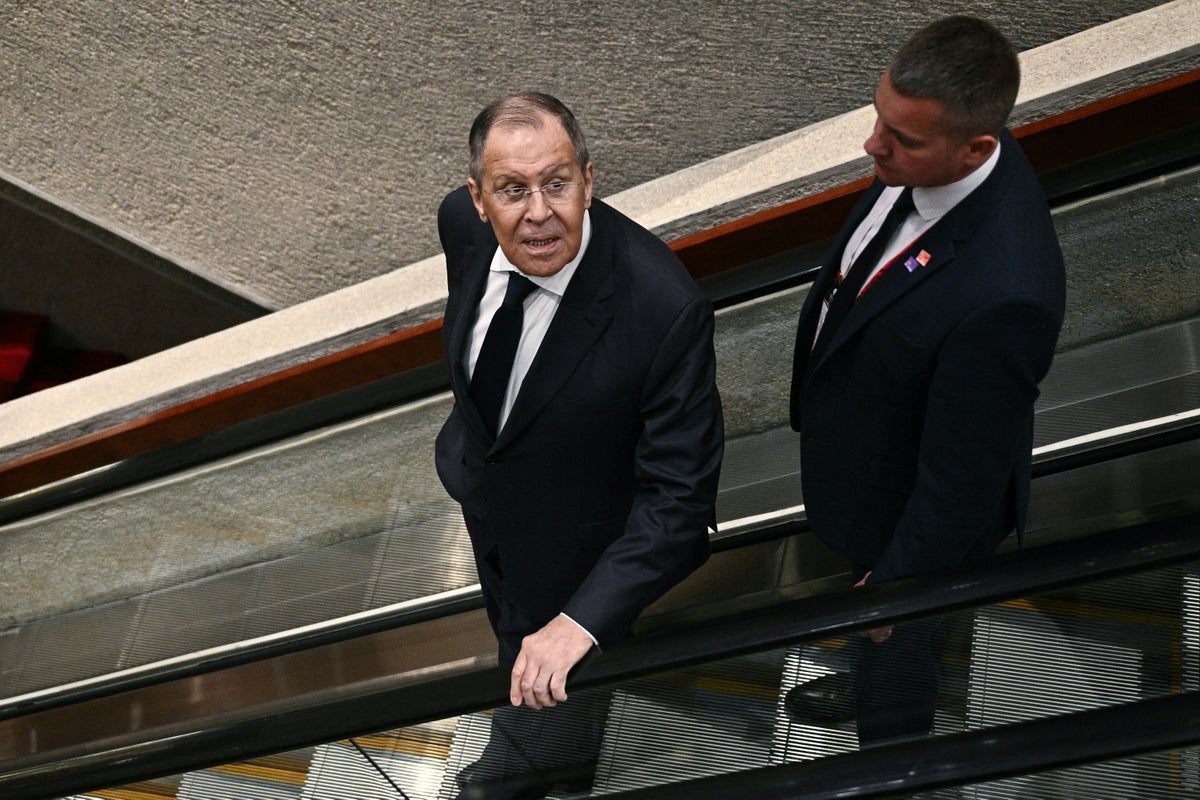
US Secretary of State Marco Rubio met Russian Foreign Minister Sergey Lavrov to explore reviving stalled peace talks, a cautious signal to European capitals watching Washington's shifting foreign policy priorities.
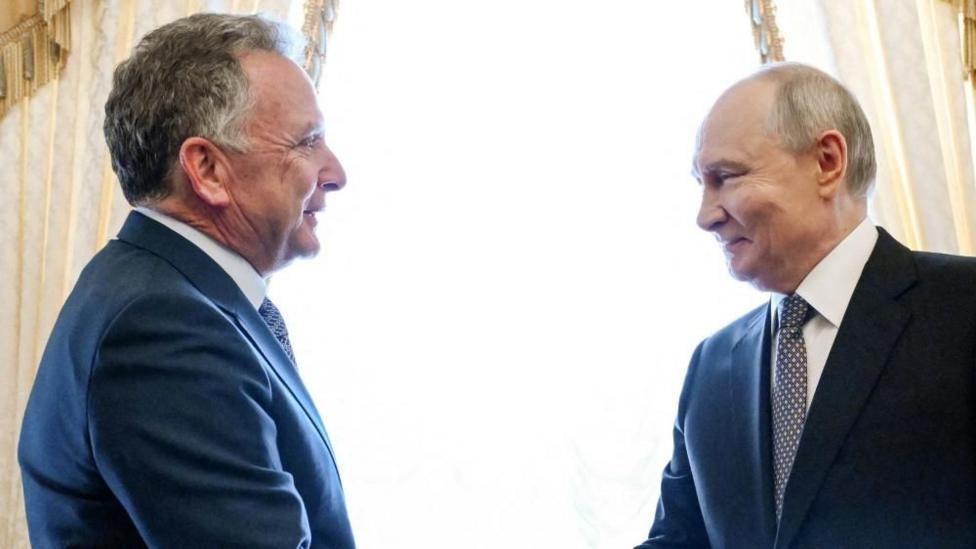
US Secretary of State Marco Rubio and Russian Foreign Minister Sergey Lavrov met in the Philippines on Thursday to discuss ending the war in Ukraine. The closed-door talks represent Washington's most direct high-level engagement with Moscow on the conflict in months. They come as US-brokered indirect peace efforts have stalled, largely eclipsed by renewed strikes between Washington and Tehran after an interim ceasefire collapsed.
For European governments and defense industries, Washington's shifting focus carries significant weight. Rubio acknowledged to reporters in Manila that US mediation efforts had "kind of fallen off a little bit over the last few months." Any prolonged diversion of US diplomatic and military resources to the Middle East forces European capitals to shoulder more of the burden in supporting Ukraine.
A State Department spokesperson said the ministers "discussed the U.S.-Russia relationship and the need to end the Russia-Ukraine war." Rubio framed the engagement as a practical necessity for the world's two largest nuclear-armed countries, saying the US remains open to ending the conflict "if that opportunity presents itself." Lavrov said he intended to ask Rubio about recent statements by US President Donald Trump predicting a settlement is close.
However, Lavrov's public demeanor offered little indication of Moscow's readiness to negotiate. He ignored shouted questions about when Russia would stop its war in Ukraine. When asked if Russia was helping Iran target US troops, Lavrov stared at a reporter and replied, "Nice hairstyle."
These tentative diplomatic overtures land during a period of internal turbulence in Kyiv. President Volodymyr Zelenskyy has undertaken a major government reshuffle, including its top military brass. The shake-up follows what was described as significant Ukrainian military progress this year, though a public rift between defense leaders had threatened to derail those efforts.
The meeting occurred alongside a broader diplomatic push in Asia, a region where instability directly threatens European trade. Rubio warned Chinese Foreign Minister Wang Yi that a new altercation between Chinese and Filipino forces in the South China Sea was "escalatory," noting a US-China conflict would have a "dramatic global impact." Separately, Australia's foreign minister labeled a recent Chinese submarine missile test "provocative and destabilizing," underscoring the fragility of vital maritime supply chains.