EU seals 21st Russia sanctions, freezes oil price cap at $44
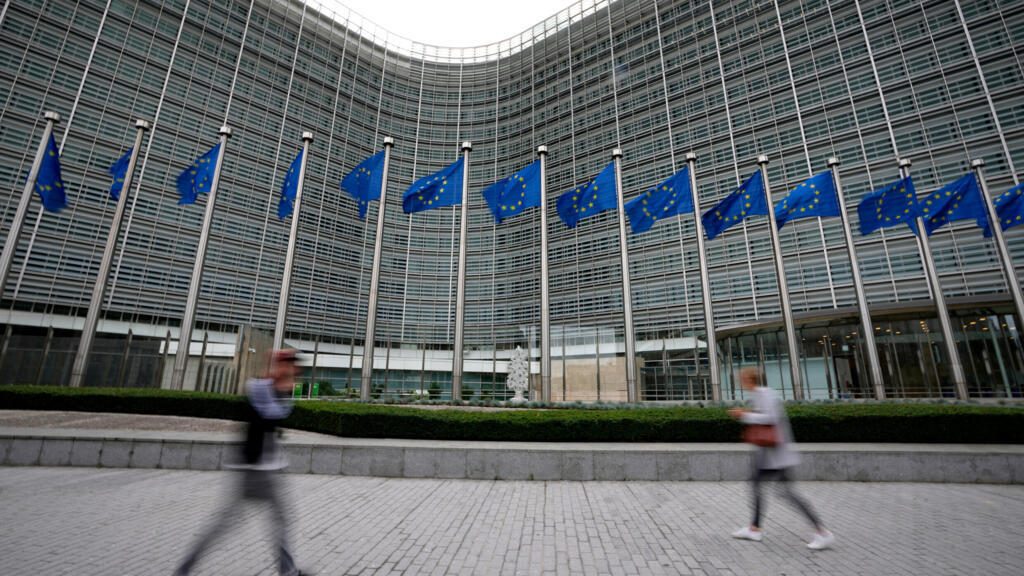
The EU has agreed to lock the Russian oil price cap at $44 for a year, balancing pressure on Moscow's war economy with the need to prevent energy market shocks.
EU ambassadors reached a political agreement on Thursday on the bloc's 21st sanctions package against Russia. The centerpiece is a 12-month freeze on the Russian oil price cap, locking it in at $44 per barrel before a deadline that risked an automatic increase.
By freezing the cap, Brussels aims to provide certainty to crude markets while maintaining a financial squeeze on Moscow. European Council head Antonio Costa said the package targets "the sectors with the highest impact: energy, financial services, crypto, and trade." European Commission President Ursula von der Leyen noted the measures will ensure "the Russian war machine does not benefit from market shocks."
The energy provisions also include a one-year exemption, with automatic renewal, for transferring Russian liquefied natural gas to third countries. Europe has heavily reduced its reliance on Russian pipeline gas, but Russian LNG still reaches European terminals before being re-exported. Banning these transfers risked disrupting European gas traders and shipping firms, potentially pushing global prices higher.
Securing this LNG carve-out was the final hurdle. Greece was granted a specific exemption allowing one of its shipping companies to continue transporting Russian LNG from the Arctic. "Member states showed solidarity with Greece and it's expected that Greece will do the same with others in the future," one EU diplomat said.
Beyond energy, the package tightens restrictions on Moscow's financial and crypto sectors and blacklists additional Russian officials. However, the final text reveals the practical limits of European unity when national economic interests collide with political pressure.
A sweeping visa ban for Russians who fought in Ukraine was shelved, reduced to a future commitment. Bulgaria successfully blocked an asset freeze and visa ban on Russian Orthodox Patriarch Kirill. Portugal and France meanwhile objected to a proposed ban on Russian cod and Alaskan pollock imports. The technical work is now complete, with a written adoption procedure launched on Thursday.