Oradea defies EU law with fourth consecutive Pride ban

A Romanian city has blocked a Pride march for the fourth year running, drawing international condemnation that frames the local dispute as a worrying indicator of European democratic backsliding.
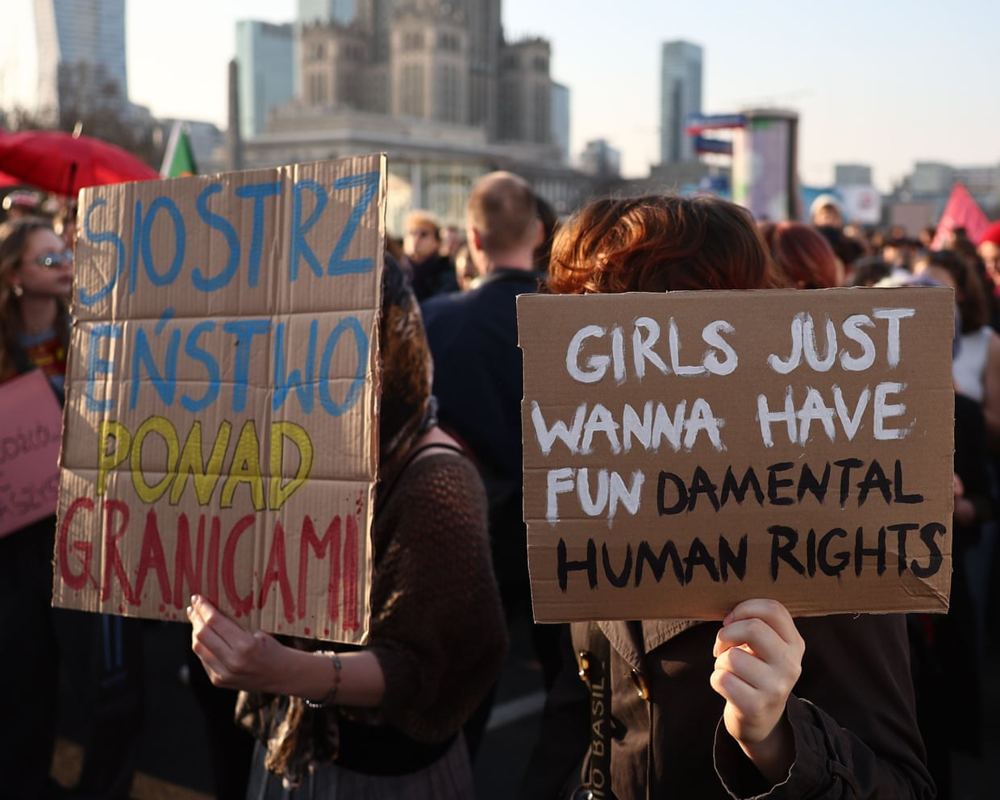
Organisers in the Romanian city of Oradea will hold a Pride march this Saturday without official permission after local authorities rejected the event for the fourth consecutive year. The municipality dismissed more than 100 proposed routes this week, citing clashes with other events and public infrastructure works.
Iulian Dițiu, president of local organiser Ark Oradea, dismissed the administrative justifications. “Every year the local authorities have managed to find legal or technical excuses to ban Oradea Pride events,” he said. “They have never said out loud that they are banning Pride for LGBT reasons. They’re always hiding behind technical reasons.”
For investors and policymakers monitoring the bloc's stability, the dispute in this western city of 180,000 people transcends a local culture clash. International observers are increasingly framing Oradea's stance as a symptom of democratic backsliding. Such developments historically trigger EU disciplinary mechanisms, including the freezing of cohesion funds, and raise broader questions about a member state's institutional reliability.
More than 152 organisations from 30 countries have formally urged officials to allow the march in line with EU law. “After four consecutive years in which the Pride march has been unable to take place, there can be no question of administrative or logistical difficulties,” their statement noted. It explicitly compared Oradea to Budapest, stating that restricting Pride marches has become an indicator of the weakening of the rule of law.
The friction carries tangible consequences. When participants defied the ban in 2025, authorities fined nine people a combined €4,000. Oradea now holds the distinction of being the only major city in the EU where local authorities have repeatedly blocked Pride events.
The mayor, who represents a party describing itself as liberal, conservative and Christian democratic, did not respond to requests for comment. Diplomatic representatives and Romania’s ombudsman plan to join Saturday’s unauthorised march.
Dițiu framed the gathering as a fundamental test of European civic rights. “The institutions that are supposed to protect the rights of every community are trying to use our community as a scapegoat,” he said. “This is not an LGBT issue. This is a democratic issue. It’s about the freedom to public assembly.”