EasyJet profit slides 70% as EU scrutiny threatens US takeover bids
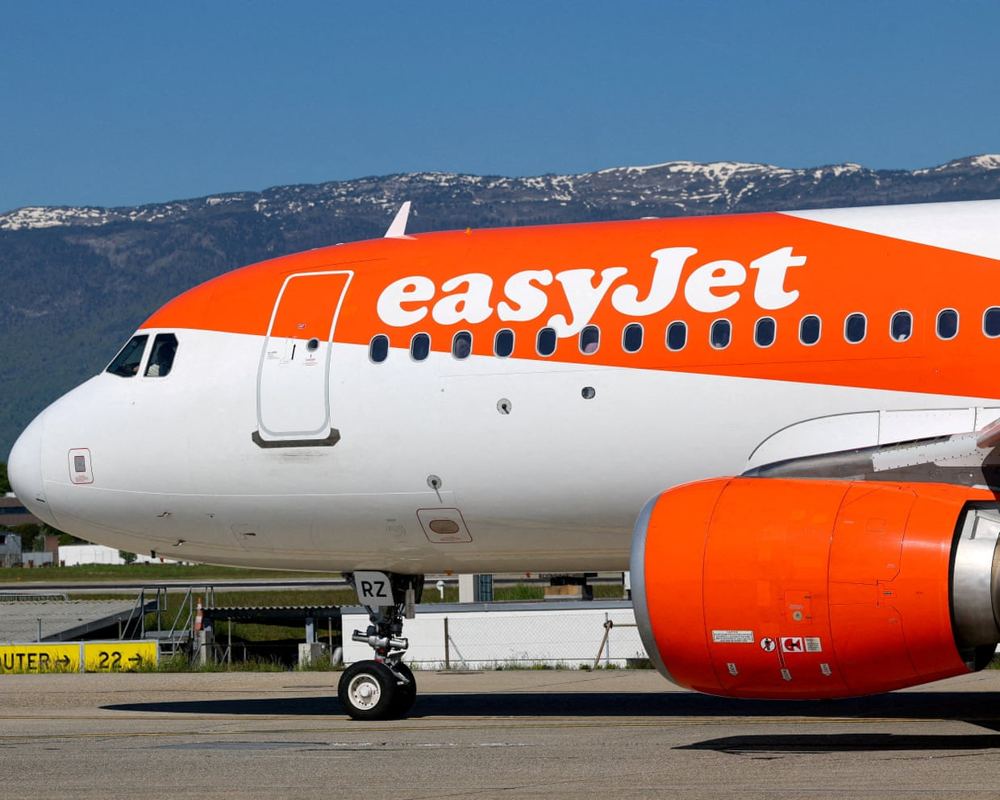
EasyJet's pre-tax profits fell 70% in the spring quarter as the Iran conflict drove up fuel costs, while a potential EU crackdown on foreign ownership threatens to derail a £5.7bn US takeover of the airline.
EasyJet recorded a pre-tax profit of £85m between April and June, a 70% drop from £286m a year earlier. The decline was driven by a £105m increase in fuel costs following the outbreak of hostilities in the Middle East in late February.
The spike in energy prices is weighing on the entire European low-cost sector. Ryanair reported a 34% drop in profits to €538m for the three months to the end of June, blaming the doubling of jet fuel prices on the 20% of its supply that was unhedged.
Both airlines are navigating a shift in consumer behaviour. EasyJet noted that passengers are increasingly waiting until the last minute to book, requiring attractive pricing to secure advance commitments. Kenton Jarvis, easyJet’s chief executive, said: “Pricing has been attractive, driving strong late booking demand for our flights and holidays.”
The financial strain arrives as EasyJet navigates a complex takeover battle. The board has recommended a £5.7bn, or more than £7 a share, offer from US firm Apollo Global Management, having previously accepted a £5.5bn bid from Castlelake.
Both bids now face severe headwinds from Brussels. An unnamed EU official said that a looming review of airline ownership would “protect strategic autonomy” and ensure control of regional airlines remains within Europe. Current rules demand 51% local ownership, a hurdle Castlelake has addressed by naming EU co-investors, but which Apollo has yet to explain how it plans to meet.
Investor sentiment remains volatile. EasyJet shares rose more than 5% on Thursday, recovering slightly from a 10% plunge triggered by the EU ownership reports. Garry White, chief investment commentator at Raymond James, said: “The very existence of a bidding war highlights what easyJet’s board has long argued: that the market has been undervaluing the business and its growth prospects for quite some time.”
However, analysts have warned the takeover contest “risks becoming a distraction” for management. The carrier's future performance remains tied to volatile fuel markets and the willingness of cost-conscious European consumers to book ahead of the summer peak.