Three New Kingdom tombs unearthed at Saqqara
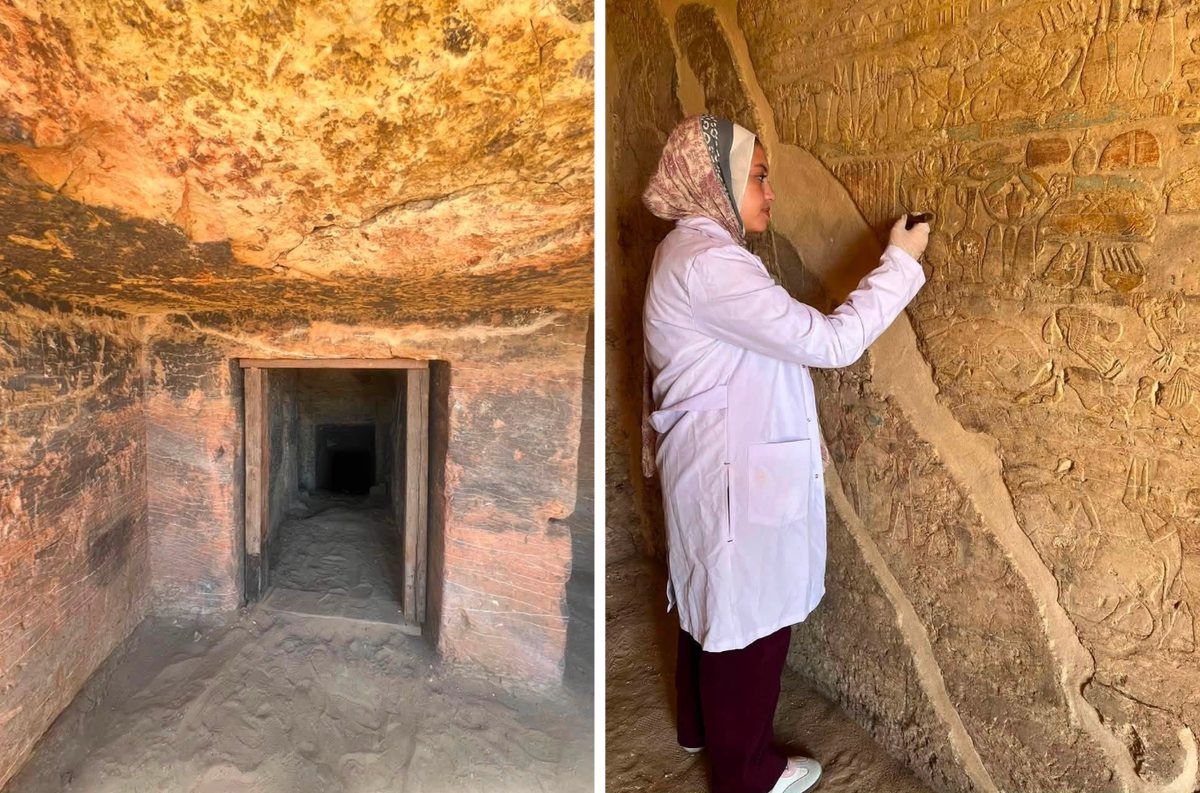
Egyptian archaeologists have unearthed three New Kingdom tombs at Saqqara, sparking debate among European scholars over the find's historical value and highlighting the ongoing economic importance of heritage tourism to the region.
Egyptian archaeologists have discovered three tombs belonging to high-ranking officials from the New Kingdom period at the Bubasteion Necropolis in Saqqara. The burial sites, dated to roughly between 1550BC and 1070BC, were unearthed approximately 19 miles south of Cairo. The find adds considerable depth to the UNESCO World Heritage site, which has served as a major focus for international research since its inscription in 1979.
Major discoveries carry tangible weight for Egypt's cultural tourism sector, a vital pillar of the national economy that consistently draws millions of European visitors. Beyond immediate tourism revenue, such finds sustain long-term institutional partnerships and academic funding between European museums and Egyptian authorities. Hisham Alithi, secretary general of Egypt's Supreme Archaeological Council, noted that the value of this find lies in "reviving the biography of their owners and restoring pages of their history that have been buried under the sands for thousands of years."
One of the newly excavated tombs belonged to a military commander whose inscription details his return from northern Syria. Mohamed Abdel-Badie, head of the Egyptian Archaeological Department, stated that "the inscription is particularly significant, because it not only confirms the tomb’s New Kingdom date but also provides fresh evidence of Egypt’s military and diplomatic connections with the Near East during the period."
A second tomb belonged to Mentuhotep, a senior military and administrative official. Its northern walls feature carvings of hunting and offerings, including a prominent image of Mentuhotep seated alongside his mother, Iahhotep. The third tomb housed the remains of a merchant named Pareemwaya, also known as Samut, and lists his wife, mother, and four sons, offering researchers a rare window into the social structure of the era's prominent families.
Academic debate
The discoveries have prompted significant interest among European researchers. Egyptologist Steve Harvey suggested the finds, which appear to date from the birth of the New Kingdom, "compare in importance and artistic quality to those of French archaeologist Alain Zivie," who previously uncovered the tombs of King Tutankhamun's wet nurse and the Vizier Aper-el. Harvey pointed out that "very few officials’ tombs are yet known at Saqqara from the first half of Dynasty 18," indicating the elusive area may finally have been located.
However, not all European academics share the assessment that the military inscription provides entirely new historical evidence. Aidan Dodson of England's University of Bristol agreed the find "expands the range of types of individuals known to have been interred in the cliff of the Bubasteion." Yet he noted that the 18th Dynasty's expansion into Syria-Palestine is already well documented. “The new discovery at Saqqara adds to our stock of private accounts of Egyptian campaigning in the Levant, but assessment of its significance will have to await proper publication, including its precise date, to establish how it fits into our broader picture of Egyptian imperialism," Dodson said.