OpenAI expands ChatGPT Health access to all US users amid liability concerns
The expansion of AI-driven medical guidance to millions of American users highlights the growing tension between technological innovation and healthcare liability, a dynamic European regulators are monitoring closely.
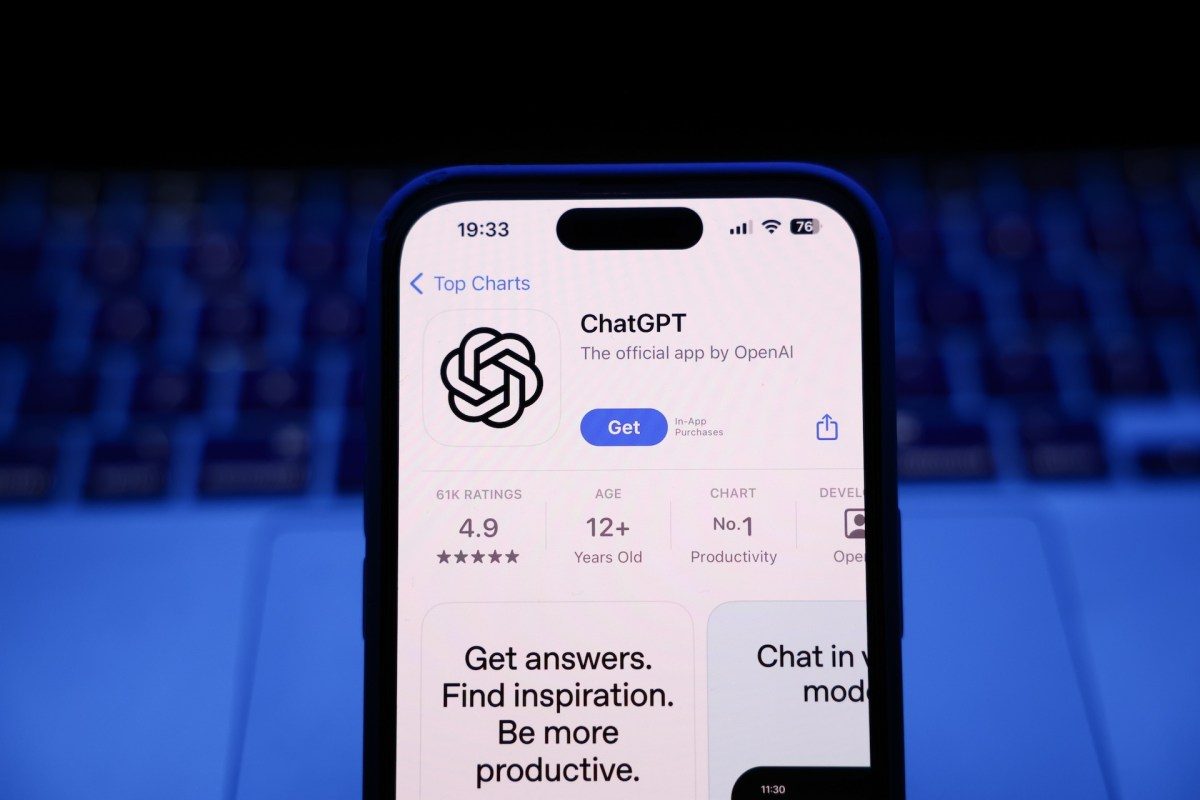
OpenAI has made its ChatGPT Health feature available to all US-based users over the age of 18, spanning free, Go, Plus, and Pro plans on web and iOS. This rollout arrives just one day after a Florida pastor filed a lawsuit against the company, alleging the chatbot provided a near-fatal recommendation to avoid consulting a doctor.
The company initially tested this functionality in January through a dedicated hub, allowing integration with platforms such as Apple Health, MyFitnessPal, and Function. Health-related queries have since surged from 230 million to 300 million per week. Consequently, OpenAI now allows health data insights to be drawn across all general chat interactions, noting that 70 percent of health queries already occurred outside the dedicated hub.
Deepening Data Integration
Users can now connect personal medical records from major hospital systems and platforms, including Epic, Oracle Health, One Medical, and Function Health. OpenAI states that its smallest model from the latest release, GPT 5.6-Luna, outperforms GPT 5.5 on HealthBench, an open-source benchmark developed by the company. The firm also maintains that it does not use any user data to train its models and collaborates with physicians to improve health-related responses.
Despite these technical assertions, OpenAI’s terms of service explicitly state the platform is not intended for diagnosing or treating any health condition. The company cited this specific disclaimer in response to the recent Florida lawsuit. It also recently told The New York Times that it is actively working to make health and medicine-related answers safer, urging users to verify information and base medical decisions on professional advice.
Implications for European Markets
For European investors and regulators, this aggressive US expansion serves as a critical stress test for artificial intelligence in healthcare. While multiple studies continue to warn that AI bots remain unreliable for medical advice, major competitors including Google and Anthropic are simultaneously advancing their own health-focused AI features.
The deep integration with established health record providers signals a long-term corporate bet on AI becoming a primary interface for patient data. Brussels will likely monitor the legal outcomes of cases like the Florida lawsuit as it refines enforcement of the European Union’s strict AI liability and medical device frameworks.