Nigerian star highlights maternity gap in women's football
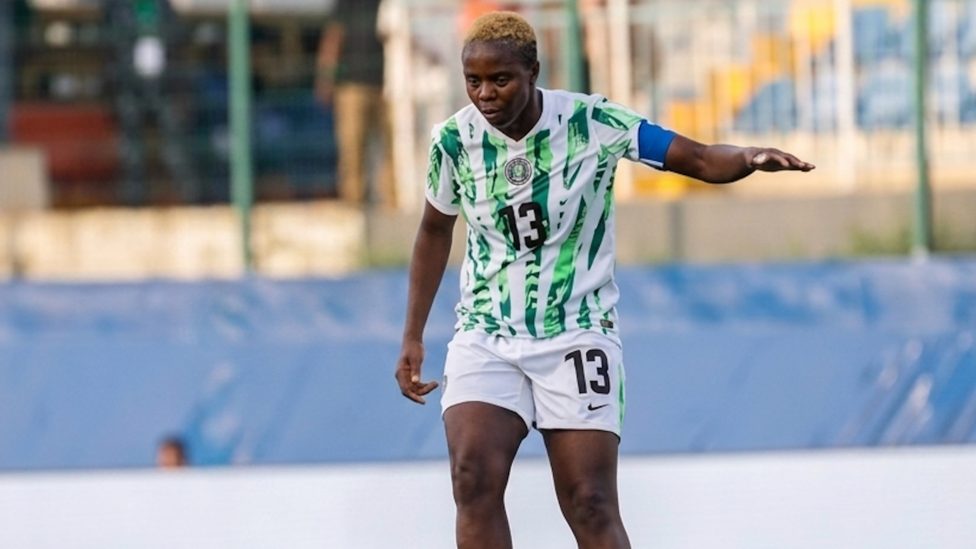
Veteran midfielder Ngozi Okobi-Okeoghene has exposed the cultural and structural barriers facing mothers in African football, highlighting a stark gap with European professional standards.
On the eve of the Women's Africa Cup of Nations (Wafcon), veteran Nigerian midfielder Ngozi Okobi-Okeoghene has publicly condemned the stigma surrounding marriage and motherhood in the country's women's football system. The 32-year-old, who has 75 caps and four Wafcon titles, was recalled to the Super Falcons earlier this year after a four-year absence caused by the birth of her son in 2024.
Her testimony underscores a significant divergence in global sports labour conditions. While Fifa has introduced regulatory frameworks guaranteeing paid maternity leave and protections from discrimination, enforcement relies on robust professional structures. Leagues in Europe, the US and Australia have codified these safeguards, but women's football in many African nations still lacks the institutional backing to implement them.
Okobi-Okeoghene pointed to fans and social media commentators who equate marriage and childbirth with the end of a female athlete's career. "Nigerians, most of the fans out there, feel when a woman is married, she's old," she said. "Most of the girls are so scared to get married. They feel by the time they get married, they won't be called to the national team anymore."
The midfielder returned to training five months after her son's birth, a process she described as physically demanding but not career-limiting. "It didn't take out the ability in me, it only took out my fitness," she noted. She contrasted Nigeria's environment with her time playing in Sweden, where she observed a teammate train safely throughout her pregnancy before returning to form.
Okobi-Okeoghene was not selected for Nigeria's final squad for the 2026 Wafcon in Morocco, which runs from 26 July to 16 August. The defending champions remain favourites in Group C against Zambia, Egypt, and Malawi, with all four semi-finalists securing a place at the 2027 Fifa Women's World Cup in Brazil.
Assistant coach Ann Chiejine, a former goalkeeper who also navigated motherhood during her playing days, acknowledged the difficulties. "You just have to plan towards it, knowing when you want to be pregnant and when you start your training," Chiejine said.
Without institutional support, the burden falls entirely on personal circumstances. "One thing I'm so grateful for is that I have a husband and a family who support me," Okobi-Okeoghene said. "He wants me to do what I love." She argued that retaining female talent requires a broader societal shift, adding: "Motherhood should not be the end of anyone's story."