Ousted Ukrainian defence minister Fedorov rejects new role, demands reinstatement
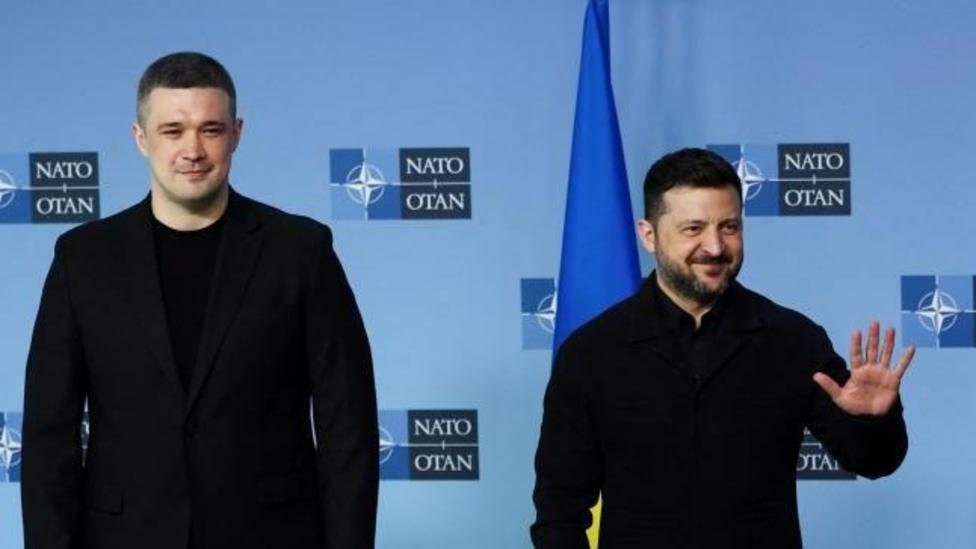
Mykhailo Fedorov’s refusal to accept a deputy prime minister role deepens a political crisis in Kyiv, highlighting tensions over military reform and strategic direction as Ukraine seeks to capitalise on recent battlefield gains.
Ousted Ukrainian defence minister Mykhailo Fedorov has rejected an alternative government position, demanding reinstatement to his former role. The 35-year-old official declined an offer from President Volodymyr Zelensky to become deputy prime minister for military innovation.
Fedorov argued that there are "only three positions in the state - in addition to soldiers on the battlefield - which determine the course of the war: president, defence minister and commander-in-chief". He stressed he was not seeking personal status, but rather the "opportunity to really influence the result and bring Ukraine's victory closer".
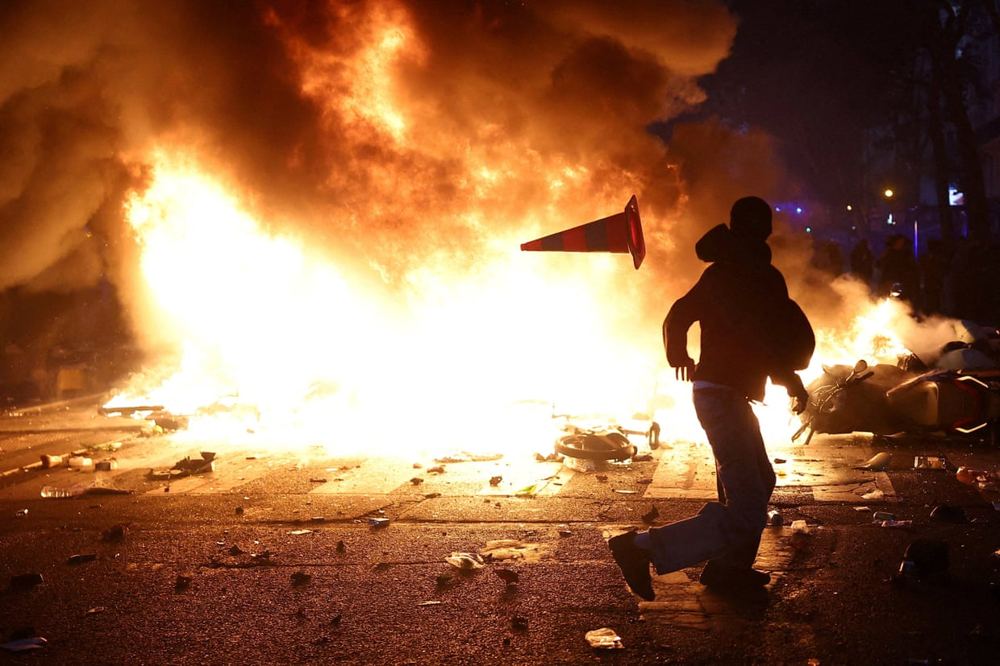
His removal last week sparked mass public protests across the country. Demonstrators have vowed to maintain street pressure until Fedorov is returned to the defence ministry, viewing him as indispensable to the war effort.
During his tenure, Fedorov was widely credited with modernising the armed forces through data-driven strategies and the Army of Drones initiative. He also led a prominent drive against institutional corruption within the defence sector.
In a Thursday statement, Fedorov noted his team had a "specific plan how to end the war" following his January appointment. This strategy focused on protecting the skies, stabilising the frontline and striking Russia’s economy.
He claimed that "for the first time in recent years, Ukraine has begun to seize the initiative [on the battlefield]". Fedorov warned that these collective results created a "window of opportunity to force Russia into peace through strength" that cannot be lost.
President Zelensky defended the alternative offer, stating the deputy role is vital because "innovation must be co-ordinated with the leadership of the defence ministry, the commander-in-chief... and the president." Despite this, Fedorov has already been formally replaced at the ministry by Yevhenii Khmara, a former senior Security Service official.
The political turmoil also led to the dismissal of commander-in-chief Oleksandr Syrskyi, who had clashed with Fedorov. While the 60-year-old general was instrumental in defending Kyiv in 2022, critics viewed him as resistant to necessary military reforms.
Zelensky has since appointed the younger, highly rated Mykhailo Drapatyi as the new military chief. Nevertheless, some observers note that recent Ukrainian successes in long-range drone strikes originated from strategies developed under Syrskyi’s prior command.
Strategic implications for Europe
This internal power struggle carries significant implications for European allies monitoring Ukraine’s strategic stability. Sustained public unrest and leadership friction risk delaying critical military reforms and defence coordination at a pivotal moment in the conflict.
Presidential adviser Dmytro Lytvyn indicated that discussions regarding Fedorov’s future remain ongoing. Until a resolution is reached, the administration faces continued pressure from a public deeply invested in the trajectory of the country’s military leadership.