Ecuador voids Spanish firm's $100m museum win after online backlash
Ecuador's government has overturned an international jury's decision to award a $100m museum contract to a Spanish firm, raising concerns about the vulnerability of European architectural bids abroad to social media pressure.
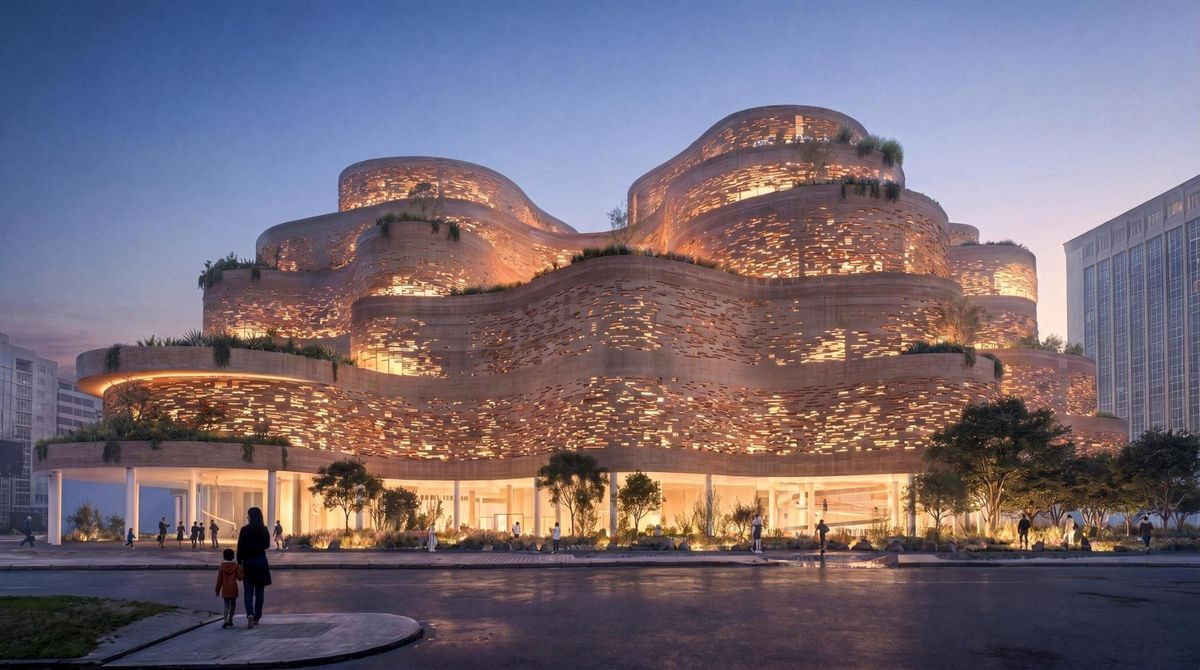
A consortium led by Japanese firm Sanaa has been chosen to design Ecuador’s new $100m national museum in Quito. The selection replaces the original winner, Spanish firm Estudio Campo Baeza and local partner Maoda, whose victory was annulled by the government less than two weeks ago following a social media backlash.
The reversal came after Ecuador’s infrastructure minister, Roberto Luque, overruled an international jury and introduced a public vote accounting for 15 percent of the final score. Of the 50,681 people who voted online, the Sanaa-led "Living Strata" proposal took first place, securing the commission. For European design firms competing for major public works in Latin America, the episode illustrates the unpredictable risks of international tenders when expert consensus clashes with populist pressure.
Estudio Campo Baeza and Maoda originally won on 6 July from a pool of 17 finalists with a concrete structure designed to protect art from humidity and allow for flexible exhibitions. The competition rules explicitly stated the jury’s decision was “final and not subject to appeal”. Luque, who had served on that same jury, later claimed on television: “The jury’s decision was definitely not binding. That is absolutely clear.”
The government's U-turn triggered immediate institutional fallout. Vice minister of culture Romina Muñoz, a juror, was asked to resign. “I wasn’t given much explanation as to why I was asked to resign, only that the process had ended and therefore they no longer needed me,” Muñoz said, maintaining the original process was “transparent and professional”. The museum's director, Carlos Montalvo, also resigned.
The integrity of the new winning design has been challenged by the European architectural community. Alejandro Zaera-Polo, a Spanish architect who served on the initial jury, criticised the Sanaa-led project's feasibility. “Structurally, it does not work. It literally cannot stand,” he said, adding that its glass walls would expose artworks to direct sunlight.
The 36,000 sq metre building is intended to give a permanent home to the Museo Nacional del Ecuador. Inaugurated in 1969, the institution has never had a dedicated building and can currently display only a fraction of its 1.2 million objects spanning 12,000 years of history. However, the contested selection process may cast a long shadow over the project's credibility before construction begins.