Neutral Milk Hotel’s 1998 Album Maintains Steady Global Sales Despite Creator Absence
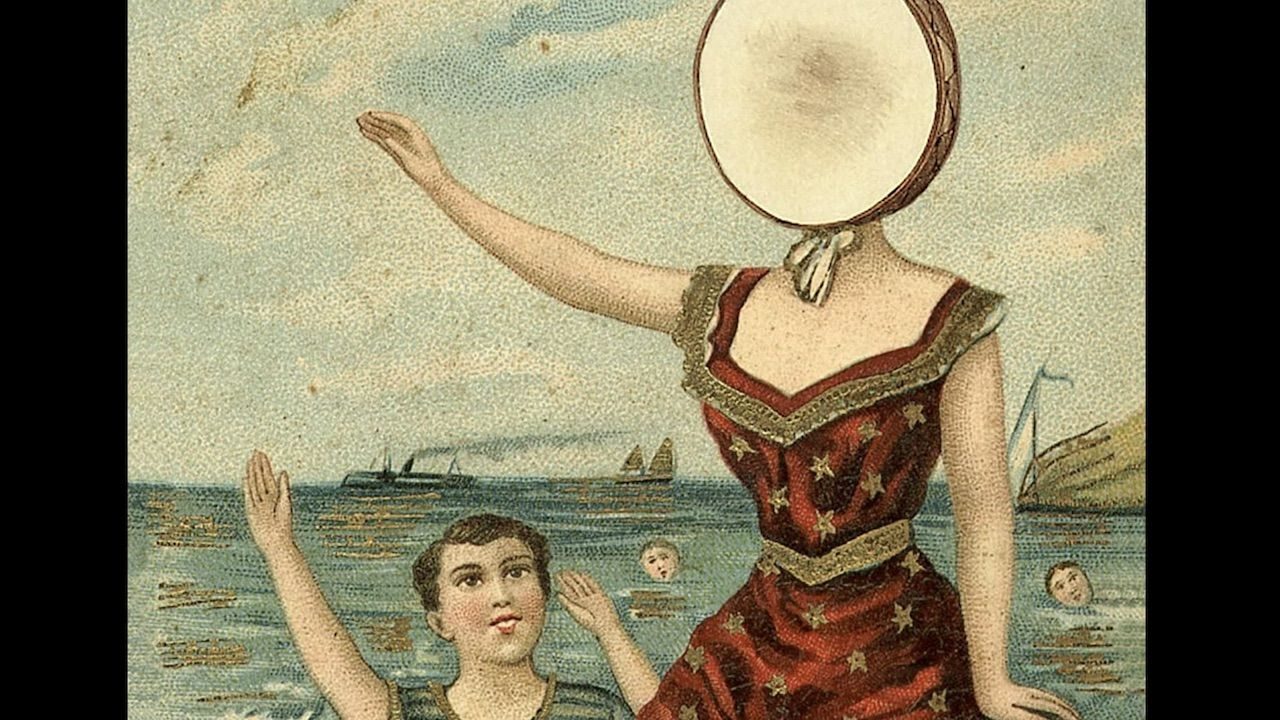
The enduring commercial performance of In The Aeroplane Over The Sea highlights the long-tail economic value of cult music catalogues and the market impact of creator scarcity.
Neutral Milk Hotel’s 1998 album In The Aeroplane Over The Sea continues to sell upwards of 25,000 copies worldwide every year. This sustained commercial performance persists despite the complete withdrawal of its creator, Jeff Mangum, from the public eye over two decades ago.
For the music industry, this trajectory illustrates the long-tail economics of niche catalogues. Rights holders benefit from consistent, low-overhead revenue streams driven by critical re-evaluation and creator scarcity, rather than traditional promotional cycles.
The album’s origins trace back to early 1995, when Mangum read Anne Frank’s The Diary Of A Young Girl in Ruston, Louisiana. The profound impact of the text inspired a deeply personal concept record addressing trauma, faith, and existential angst.
During preparation in New York City, the band became convinced they were not alone in their residence. “We thought we had a ghost living in the bathroom,” Mangum stated in 1997, noting that many songs directly referenced Frank.
Recording took place at Robert Schneider’s Pet Sounds Studio, a former fish processing plant. The production utilised direct-to-tape techniques, heavy compression, and unconventional instrumentation including singing saws, uilleann pipes, and euphoniums.
Released on February 10, 1998, the record initially received modest critical praise. Its debut predecessor, On Avery Island, had shifted only 5,000 copies in the UK for label Merge Records, setting low commercial expectations for the follow-up.
However, the minor fame generated by the album’s release severely impacted Mangum’s mental health. Following a poorly attended late 1998 performance at The Underworld in London, the band entered an indefinite hiatus.
“Kids were freaking out over him,” Bill Doss, co-founder of fellow Elephant 6 collective Olivia Tremor Control, observed in 2011. Mangum himself noted in a rare 2002 interview that his basic assumptions about reality had started crumbling during this period.
Mangum’s subsequent disappearance fueled intense mythology, alongside brief projects like a 2001 album of Bulgarian folk festival field recordings. A short-lived live return in 2013 did little to alter his reclusive stance.
Nevertheless, the album’s cultural capital has only appreciated, influencing major contemporary acts such as Franz Ferdinand, Tame Impala, and Arcade Fire. Magnet magazine acclaimed it as the best album of the 1990s, and Pitchfork later upgraded its reissue review to a perfect 10/10 rating.
This disconnect between the creator’s absence and the asset’s growing prestige underscores a unique market dynamic. In the modern music economy, a carefully preserved legacy can consistently outperform active commercial output.