EU faces new US tariffs as Washington bypasses court ruling
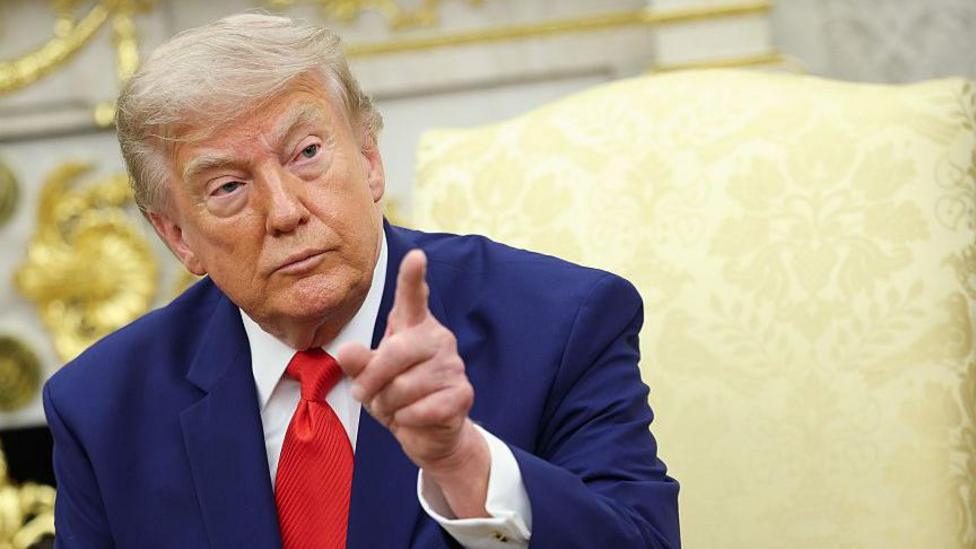
The United States is slapping 10% to 12.5% duties on European imports starting Friday, using forced labour allegations to replace tariffs previously struck down by its own supreme court.
The United States will impose duties of 10% to 12.5% on imports from the European Union and roughly 60 other trading partners starting Friday. The White House claims the measures are necessary to punish countries that fail to adequately crack down on forced labour. Alongside the EU, the tariffs target major economic partners including the UK, Canada, Japan, and India.
For European businesses, these duties represent a sudden and significant cost increase on goods shipped across the Atlantic. Because the tariffs are paid by the importing companies at the border, US buyers will likely pass at least some of that expense back to European exporters. This typically happens through squeezed profit margins, reduced order volumes, or outright price hikes.
Economists have long warned that this specific tariff structure makes everyday items more expensive for shoppers. If an American firm imports a European-made microwave or coffee, the tax paid on that product is often absorbed by raising the retail price. While the White House insists these taxes protect American workers and ensure fair competition, the immediate effect is inflationary pressure on household goods.
This latest escalation is a direct result of a US Supreme Court ruling earlier this year. The court declared that many of the global tariffs enacted under emergency powers were illegal, stripping the administration of its primary legal tool. President Donald Trump, who reignited this global trade war upon returning to office in January last year, is now using labour enforcement as an alternative mechanism to advance his agenda.
The president has historically used tariffs both to boost domestic manufacturing and to pressure foreign governments on unrelated issues. The White House has demonstrated this leverage recently by threatening Canadian imports with steep 50% duties over separate labour rule disputes. This signals a willingness to treat even the closest economic allies as adversaries in pursuit of policy goals.
European leaders and business groups are expected to push back against Friday's duties. Many trading partners are currently weighing potential legal challenges or designing retaliatory tariffs of their own. Additionally, the US Trade Representative is investigating 16 countries that account for the vast majority of American imports over manufacturing overcapacity. That separate inquiry could easily pave the way for additional duties later this year, ensuring prolonged uncertainty for European exporters.