US Singer Conor Oberst Cites Political Climate as Barrier to Protest Music
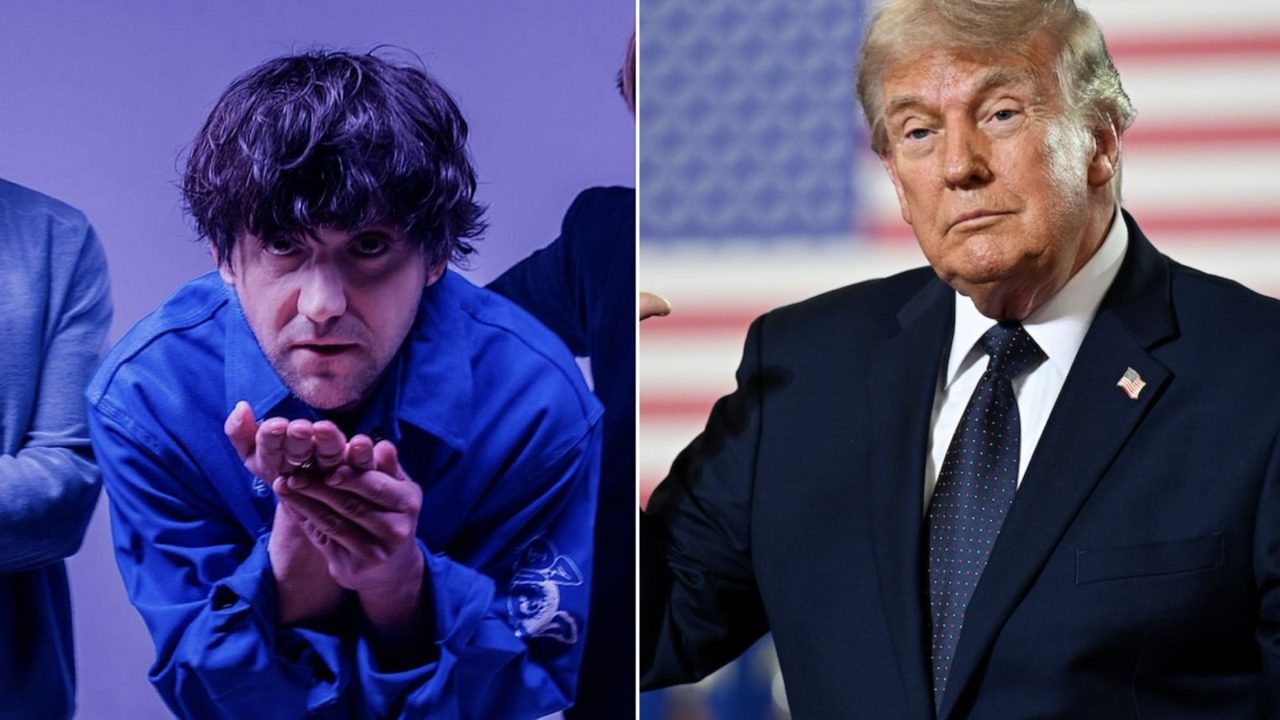
The Bright Eyes frontman says the current political environment is too absurd to satirise, highlighting a chilling effect on artistic expression that could reshape cultural engagement in the live music sector.
US singer-songwriter Conor Oberst has stated he finds it "almost impossible" to write protest music about the current political climate, highlighting a creative paralysis that resonates beyond his own catalogue. Speaking in a podcast interview posted on Thursday, the artist explained his struggle to adapt his early 2000s activist voice to the present day.
Oberst contrasted the current environment with the George W. Bush administration, a period during which he actively critiqued government policies and the Iraq war. His band Bright Eyes released the song "When the President Talks to God" during that era, and his subsequent late-night television performance of the track was viewed as a defining moment of opposition. It also served as a continuation of the American protest song tradition.
Today, however, Oberst finds the political landscape difficult to articulate, noting that "it’s really hard for me to even articulate the Trump era." He explained that the environment is already so absurd that it defies traditional satire. "You can’t satirize, or whatever, what’s already like a parody," he said, describing the current climate as a "disgusting, gross cartoon."
This creative block appears to be part of a wider trend. Oberst observed that "the bar has been lowered to such a degree societally in every kind of aspect of our lives." While he acknowledged that the current political climate "permeates like everything I write," he added that "to write directly towards it . . . I found it almost impossible," describing the situation as an "avalanche of insanity."
Beyond the sheer volume of political events, Oberst pointed to a more systemic issue stifling protest music at large. He suggested that widespread fear is a major factor, stating, "I think people are scared," and adding, "I think they have gone out of their way to try to intimidate all of us."
For the live music industry and cultural markets, this hesitation from prominent voices signals a potential shift in how public life is reflected on stage. When established artists withdraw from direct political commentary, it alters the cultural dialogue surrounding major tours and festival bookings.
Despite this creative stance, Bright Eyes is proceeding with a substantial North American tour. The schedule includes festival appearances at the Maha Festival in Omaha, Nebraska, on 8 August, and Riot Fest 2026 in Chicago, Illinois, on 18 September.
The autumn leg features performances across major US cities, including Minneapolis, Detroit, Cincinnati, Philadelphia, Washington, DC, Asheville, Atlanta, Nashville, New Orleans, Austin, Dallas, Kansas City, and St. Louis. Several of these October dates will feature support from Lullaby for the Working Class. While this extensive tour moves forward, the absence of new, direct political anthems from a previously vocal artist underscores a notable retreat in musical activism.