US imposes 10% tariff on EU under new forced labour duties
The United States is replacing expiring global tariffs with new double-digit levies, but the EU has secured a lower rate tied to its existing forced labour ban and the Turnberry trade deal.
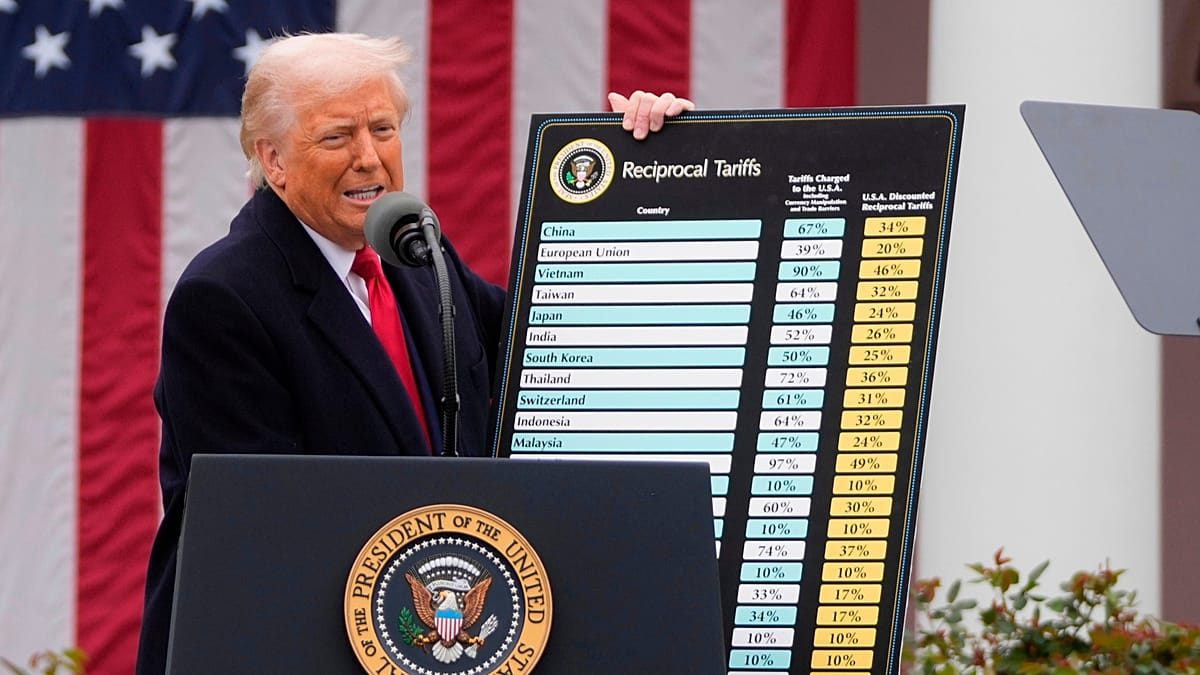
US President Donald Trump will impose new tariffs ranging from 10% to 12.5% on 60 economic partners beginning Friday. The duties, announced on Thursday, replace a blanket 10% tariff that expires at 12.01AM that same day. More than 80 countries are ultimately affected, covering 99% of American imports.
The European Union will face the lower 10% rate. A European Commission spokesperson said the bloc notes positively that the outcome aligns with the US tariff commitments agreed under the EU-US Joint Statement. This creates "positive momentum to continue the work on exploring further tariff exemptions and deepening cooperation," the spokesperson added.
The rate reflects the terms of last year's Turnberry agreement, under which the US initially levied 15% tariffs on EU goods while the bloc removed duties on most US industrial products. Countries that have implemented or committed to a forced labour import prohibition, including the EU, India, Canada and the UK, qualify for the 10% tier.
The administration was forced to restructure its trade taxes after the Supreme Court ruled in February that Trump lacked the legal authority to use the International Emergency Economic Powers Act for broad tariffs. The outgoing 10% duties were enacted under a 150-day limit in the Trade Act of 1974, which expires on Friday.
To make the new levies more resistant to legal challenges, Washington is relying on Section 301 of the 1974 Trade Act. This provision allows the president to penalise countries deemed to engage in "unreasonable" or "discriminatory" trade practices, which the administration now frames as a failure to prevent forced labour.
Nations without forced labour bans, such as China, Japan, South Korea, Brazil and Chile, will face the higher 12.5% rate. Oil, gas, fertilisers and goods covered by the North American free trade pact are exempt from the new charges.
Brazil, hit with the 12.5% rate, called the decision "arbitrary and unjustified" and pledged retaliatory tariffs. Chile similarly rejected the premise, citing its "solid labor institutions, a robust regulatory framework and a firm commitment to the prevention and eradication of forced labour."
US Trade Representative Jamieson Greer defended the move, stating it is "well past time for our trading partners to do the same" as the US. Washington has enforced a forced labour import ban for nearly a century. The International Labour Organization estimates 27.6 million people were in forced labour worldwide on any given day in 2021.