Kasparov warns Europe already at war with Russia
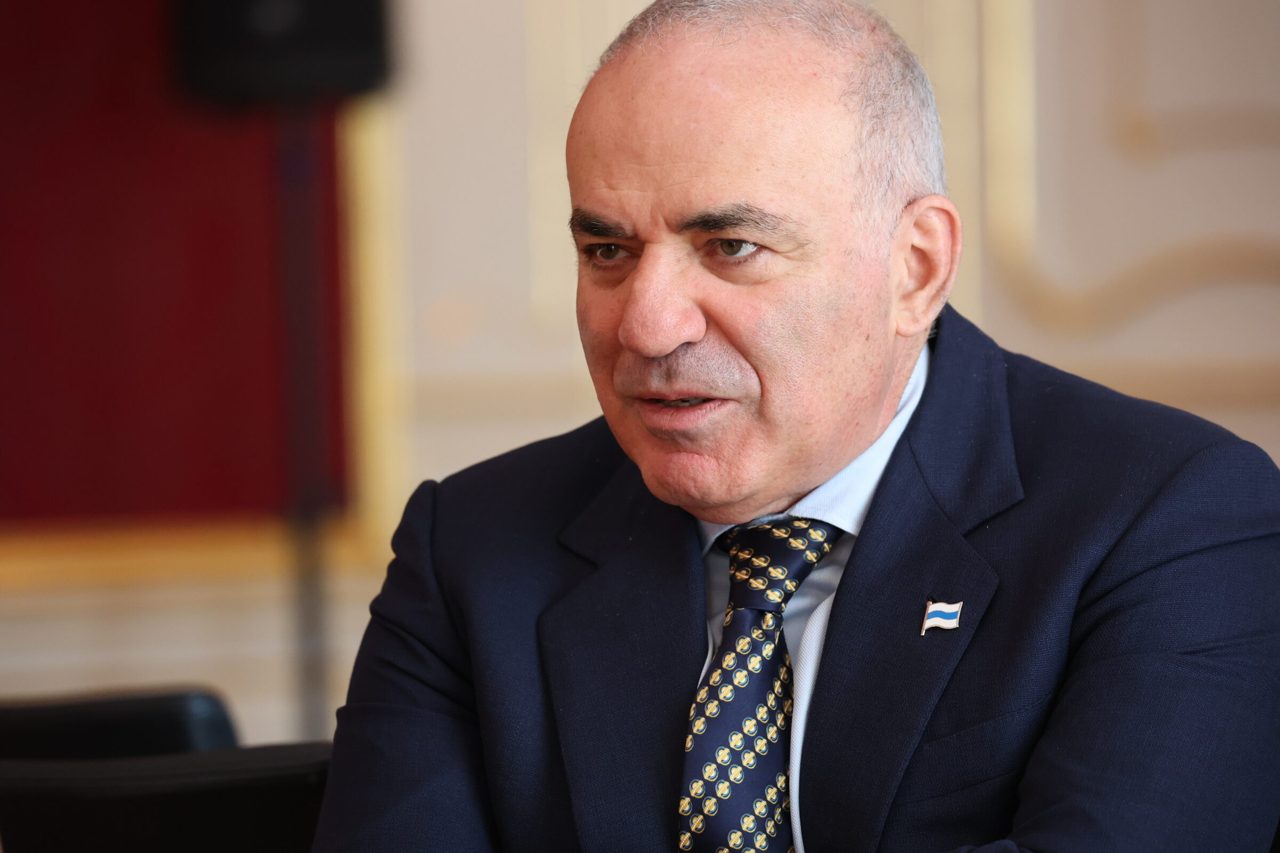
Garry Kasparov has warned that Europe is already at war with Russia, a reality that renders current diplomatic debates meaningless for businesses and policymakers bracing for prolonged instability.
Garry Kasparov, the Russian chess champion turned prominent opposition figure, has dismissed recent European debates about engaging Moscow diplomatically as fundamentally misguided. Speaking in Vienna, Kasparov argued that the continent consistently fails to grasp the true nature of the conflict.
“Europe is already at war, whether it wants to admit it or not,” Kasparov said. “[Russian president Vladimir] Putin has already made the choice.”
For European businesses and policymakers, this stark assessment points to prolonged geopolitical instability rather than a potential near-term diplomatic resolution. Kasparov stressed that Ukraine is merely the initial stage of a much broader Russian assault on the existing post-Cold War international order.
Kasparov argued that European leaders have completely ignored Putin’s stated objectives, noting: “He has always responded to strength or, rather, to the lack of strength on the other side.” “He was never hiding his intentions. He wanted to push Nato back behind the 1997 borders.”
Kasparov attributed this to psychological complacency among EU politicians. “They [EU politicians] became too comfortable. I call them managers rather than leaders. They panic when they have to challenge the status quo.”
This lack of preparation has been glaringly evident since Russia's annexation of Crimea in 2014. “After Crimea ... basically nothing was done to prepare for the inevitable aggression,” he said. “Putin made it very clear that he intended to erase Ukraine from the map once he had enough power to do so.”
Looking to the past two centuries of Russian history, Kasparov suggested that the country's political trajectory can only be altered through decisive military defeat. He cited the Crimean War in 1856, the Russo-Japanese War in 1905, and the Soviet war in Afghanistan from 1979 to 1989 as historical triggers for sweeping political shifts.
By contrast, Kasparov argued that military victories have consistently reinforced authoritarian rule across Russian history. He described an “imperial virus” within Russia’s political culture, a belief that national greatness requires the expansion and domination of neighbouring states. Defeating this mentality, he concluded, requires military failure on the battlefield.