EU faces 10% US tariff as Trump replaces expiring levy
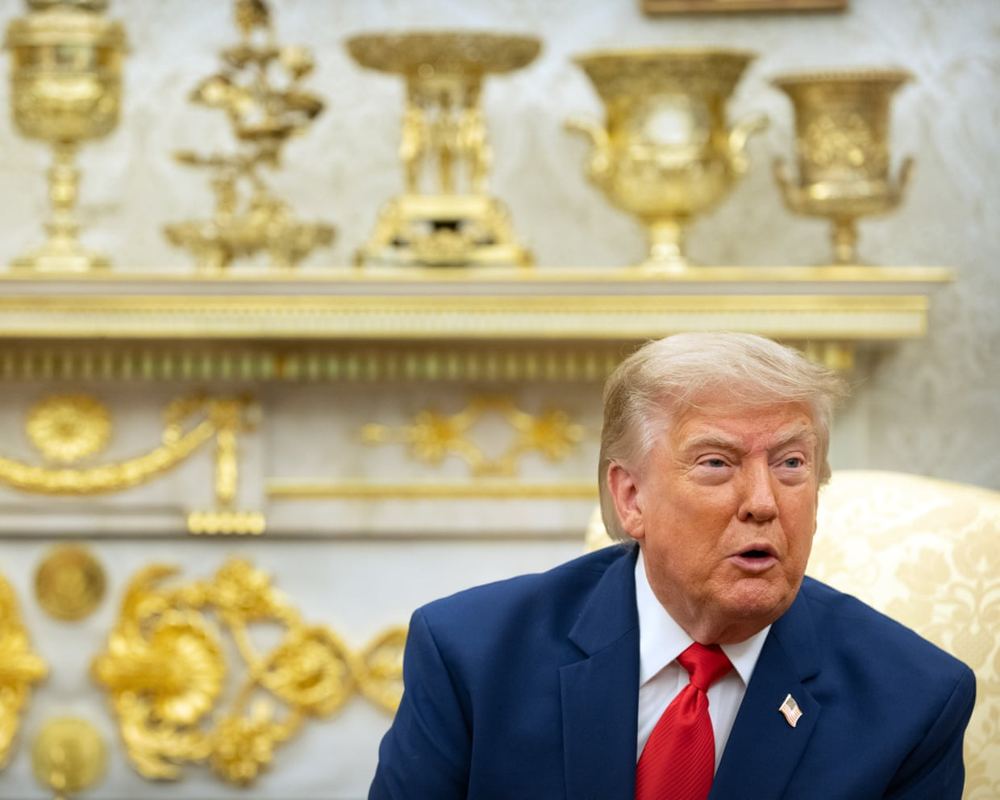
The United States has imposed a 10% tariff on European exports under a new legal justification that is already facing expected supreme court challenges, creating fresh costs and uncertainty for EU businesses.
The United States imposed a 10% tariff on European Union exports early on Friday, extending a broader wave of new duties on more than 80 countries. The levies took effect just minutes before a temporary 150-day global tariff expired at 12:01 am on July 24. The move forces European businesses to absorb new export costs while navigating yet another shift in US trade policy.
The European Union received the lower 10% rate alongside Canada, India, Mexico and the United Kingdom. According to the US trade representative, these nations were penalised at the lower rate because they have made commitments to adopt and effectively enforce forced labour import prohibitions. Australia, Brazil, China and Japan face a higher 12.5% duty after the US determined they had failed to adopt such prohibitions.
A fragile legal foundation
To sidestep a February supreme court ruling that barred his previous trade agenda, the president is now relying on section 301 of the Trade Act of 1974. That statute allows tariffs if an investigation finds sufficient evidence of unfair labour practices affecting American commerce. The administration had used section 122 for the temporary levy that just expired, but needed a new mechanism to make the duties permanent.
Legal experts expect this latest strategy to fail in court. In February, the supreme court ruled 6-3 that a 1977 emergency law did not grant the president the authority to enact tariffs during times of peace, stating that power belongs solely to Congress. Alan Wolff, a senior fellow at the Peterson Institute for International Economics and former deputy director-general of the World Trade Organization, warned that the new tariffs represent another case of presidential overreach.
“If they were challenged in court, the supreme court would likely overturn them,” Wolff wrote in an analysis on Thursday.
Costs and uncertainty for Europe
For European exporters, the immediate reality is a 10% tax on goods entering the US market. The New York Federal Reserve has estimated that 90% of the economic burden from tariffs is passed on to US consumers and businesses, suggesting European exporters may face reduced demand rather than simply absorbing the cost. The policy remains deeply unpopular in the US, with a Harris Poll survey showing 72% of Americans believe tariffs negatively impact consumers.
However, the expected legal challenges offer a potential, if delayed, reprieve. Following the February supreme court ruling, the US government paid companies back tens of billions of dollars in previously collected tariff revenue. European investors and exporters must now weigh the immediate hit to margins against the high probability that these latest duties will eventually be refunded.