UK housing unprepared for rising heat costs
Britain's failure to adapt its legacy housing stock to rising temperatures is forcing a costly shift to energy-intensive air conditioning, exposing deep flaws in the country's retrofitting policies.
The number of air-conditioned homes in Britain has doubled over the last three years as the country's aging housing stock struggles to cope with rising temperatures. With only about half of local councils requiring new buildings to include cooling strategies, planning experts warn that many residences are effectively becoming "death traps" during summer heatwaves.
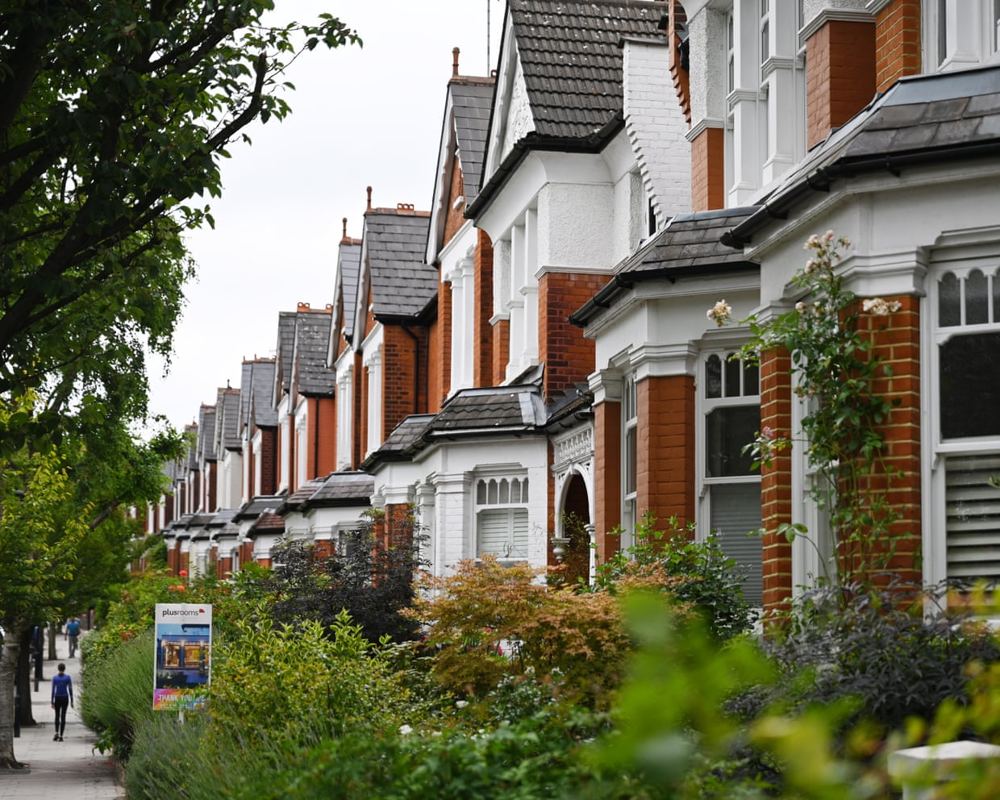
Unlike Mediterranean architectures that incorporate shaded communal spaces and cross-ventilation, Britain's Victorian builders erected rows of poorly ventilated terrace houses. The UK's historically mild climate allowed developers to construct homes optimized solely for burning coal in winter. This legacy leaves modern residents sweltering in summer, a reality geographer Sam Johnson-Schlee captured in his recent book Hot House, writing: “Our ability to trust that our homes will keep us safe from the outside is under threat.”
Efforts to fix this through national retrofitting programs have collapsed under political mismanagement. The green homes grant, launched in 2020 under Boris Johnson’s "build back greener" pledge, offered upfront vouchers for insulation but was scrapped after just six months. A public accounts committee concluded the scheme had been “set up to fail” due to a rushed design and an impossible timetable.
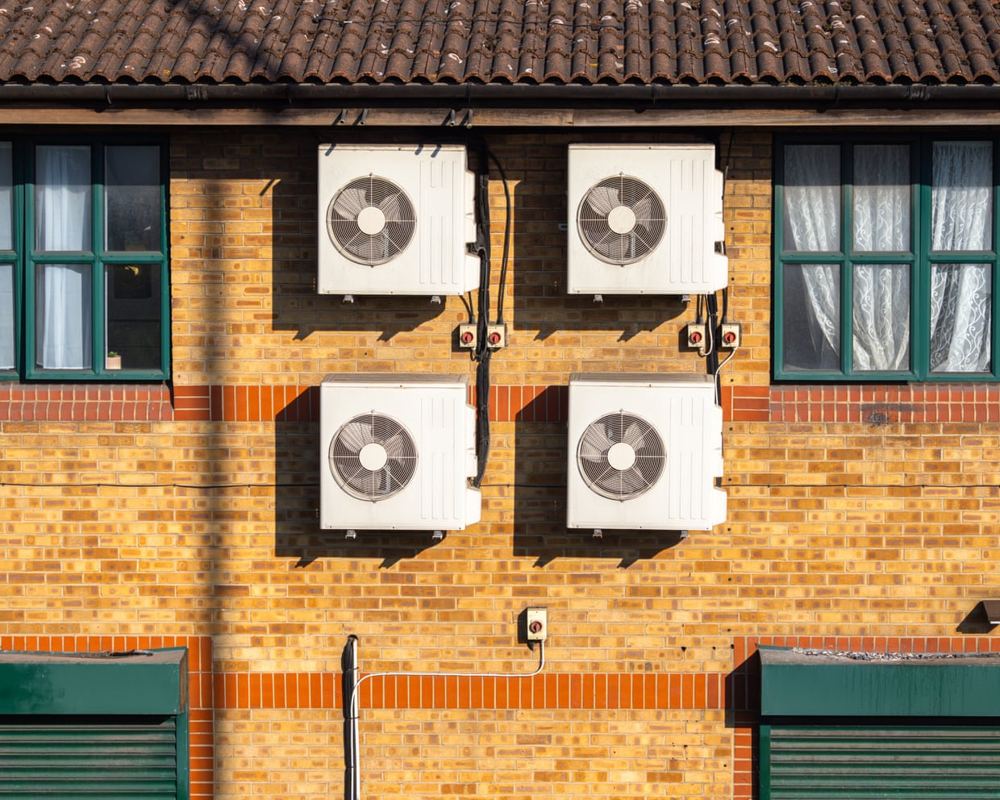
In the absence of effective state policy, the market is pivoting to individual air conditioning units. However, adopting this technology en masse creates a negative economic and environmental feedback loop. Expelling hot air raises urban temperatures, increasing demand for further cooling while placing greater strain on local energy grids and driving up household utility costs.
London offers a blueprint
Mayor of London Sir Sadiq Khan has introduced a "heat-ready plan" to tackle the capital's severe heat island effect. The strategy proposes a collective approach: retrofitting homes with shutters, installing air conditioning in public buildings and schools, and increasing urban tree canopy and public swimming spots.
Scaling this model nationally faces a significant macroeconomic barrier. The plan's authors note that such adaptations “do not always translate into clear financial savings or returns,” making private investment unlikely. Delivering these changes will require "many billions" in public funding at a time when the fiscal climate is hostile to such spending.
The challenge ultimately rests with the new prime minister, Andy Burnham, who has championed a politics of place but has yet to address the climate crisis. For a European property market already bracing for climate transition costs, Britain's struggle to heatproof its homes serves as a stark warning about the economic perils of delayed adaptation.