WSL faces infrastructure test as fanbase hits 28.5m
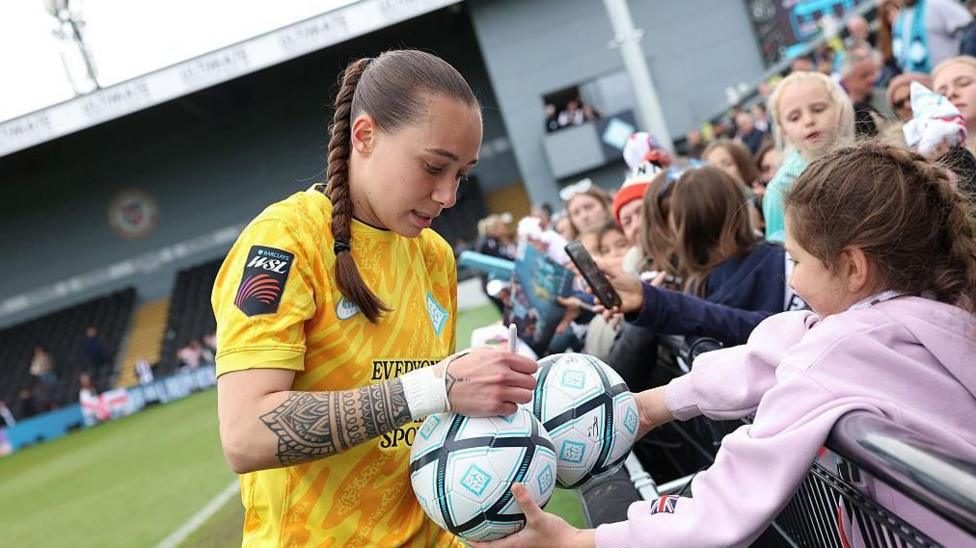
England's Women's Super League has built a 28.5 million-strong global fanbase, but uneven infrastructure and scheduling bottlenecks now threaten to limit its commercial growth.
A January 2026 YouGov study found 28.5 million fans globally following the Women's Super League, a demographic split equally by gender with almost half under 35. This contrasts sharply with the older, male-skewing audience of the men's game, presenting a distinctly valuable market for sponsors and broadcasters.
The commercial appeal is already evident at the top. Arsenal averaged 34,000 fans at the Emirates Stadium last season, accounting for 41% of all WSL attendance and outdrawing eight men's Premier League clubs. However, this dominance also highlights a structural imbalance across the league.
Infrastructure remains the most visible barrier to scaling the business. While Chelsea will join Arsenal, Aston Villa and Everton in playing at top-tier men's stadiums next season, other clubs rely on lower-league grounds. West Ham's Chigwell Construction Stadium offers uncovered standing only, while London City Lionesses, despite winning the 2026 Best Fan Engagement prize under billionaire owner Michele Kang, average under 3,000 at a League One venue.
Brighton is attempting a structural solution by erecting Europe's first purpose-built women's football stadium. For most clubs, however, the path to growth lies in leveraging the men's side through a "one club" model. Manchester City and Arsenal held joint parades this year, while Chelsea's move to Stamford Bridge cements that integration.
Deborah Dilworth of the Football Supporters' Association warns against simply copying the men's game. "Are there opportunities to do things differently?" she asks. "Innovation is key but not to potentially compromise what people really love about the game."
The risks of over-reliance on a men's club are historically stark. Reading were demoted from tier two to tier five in 2024 after financial collapse, while Charlton's women's team was disbanded entirely in 2007 following the men's relegation.
Operational friction is also deterring consumer spending. The league's shift to noon kickoffs this season clashes with Sunday morning grassroots football and forces away fans into costly overnight stays. Accessibility at smaller, shared venues further alienates paying customers. Tottenham faced criticism after a wheelchair user found no Blue Badge parking information for Brisbane Road, where the women's team plays separately from the main stadium.
"You need to look at food. You need to look at people going into the stadium, where they're walking, how comfortable they feel and how safe they feel," Dilworth says. Without resolving these basic operational flaws, the league risks stalling before reaching its commercial ceiling.