Wildfires push 200,000 from homes, disrupt European tourism
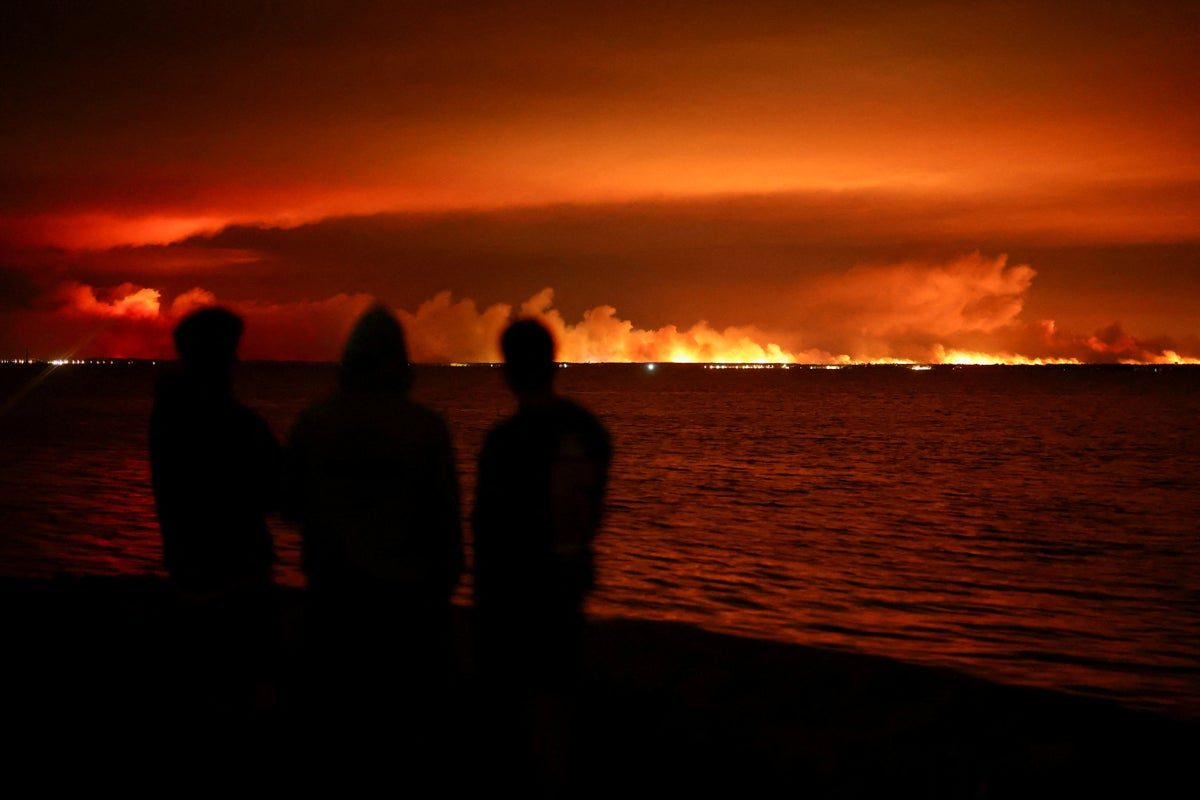
Rampant wildfires across France and Spain have forced more than 200,000 people from their homes, devastating upmarket tourist regions and triggering an unprecedented national emergency response in Madrid.
Southwest France has ordered the total evacuation of the Cap Ferret peninsula, an upmarket holiday destination just 37 miles from Bordeaux, as a massive blaze tears through the surrounding forest. Around 1,500 people arrived by boat in the city of Arcachon after the largest fire of the French season threatened to cut off the only road out. "It's totally apocalyptic," said Ambre Dubos, from the nearby Landes region.
The disruption to Cap Ferret and surrounding coastal resorts strikes at the heart of France's summer tourism economy, a critical driver of regional revenue. Authorities have told roughly 63,000 people, many of them holidaymakers, to flee as flames destroyed dozens of homes and a campsite. "An evacuation on this scale has never happened before," said Laurent Moretti, a resident in the town of Arès.
Spain has declared a national emergency for wildfires for the first time, taking direct control of firefighting efforts as a heat wave pushes temperatures past 39 degrees Celsius. Blazes near Madrid merged into a single wall of flame that regional president Isabel Díaz-Ayuso called the worst in the city's history. The crisis has forced 60,000 people from their homes, with 20,000 ordered to shelter indoors while crews prioritize protecting the 16th-century Escorial royal palace.
The scale of the destruction underscores the mounting economic toll of extreme weather on European infrastructure and heritage. Spain has seen 1,140 square kilometres burned this year, more than five times the total for the first half of 2025, while two separate fires this week set records for both Madrid and the Castilla La Mancha region. Prime Minister Pedro Sánchez has called for a cross-party pact to combat climate change, framing adaptation to a more fire-prone environment as a national imperative.
The severity of the twin crises has activated the EU’s emergency infrastructure. France is receiving two Croatian Canadair aircraft, two Portuguese Air Tractors, and heavy-lift helicopters from the Czech Republic and Slovakia. Spain is dispatching its own Canadairs to France while welcoming replacement water-dumping aircraft from Italy and Greece.
The danger extends beyond France and Spain, with wildfires in Sicily killing a firefighter and forcing scattered evacuations as temperatures exceed 40 degrees Celsius. Across all three countries, dozens of firefighters have been injured, though authorities believe the initial causes of the French and Spanish blazes were accidental. In Spain, police have arrested one man and are investigating another for allegedly using heavy machinery in a prohibited zone.