Thrifting boom pushes secondhand clothes market to $367bn
The global secondhand clothing market is projected to reach $367bn by 2029, a surge that is displacing low-income shoppers while creating a lucrative resale ecosystem for luxury brands and tech platforms.
The global secondhand clothing market is projected to reach $367bn by 2029, growing 2.7 times faster than the overall apparel sector. Thrifting surged globally by 28% between 2021 and 2022, driven by a pandemic-era search for retail endorphins and the rise of specialized platforms. European tech firms like Vinted and Vestiaire Collective, alongside US-based rivals, have transformed a once-stigmatized corner of retail into a highly efficient, globalized industry.
This boom has fundamentally altered the luxury goods economy. According to a new report by Bain & Company, half of luxury shoppers now consult the secondhand market before purchasing new items. Client advisers for top fashion brands even help wealthy customers list their old wardrobes on resale apps because clearing out closets "unlock[s] a lot of potential new buying," says Bain analyst Claudia D’Arpizio.
Scarcity is pushing high-end vintage prices to extremes. Vintage boutique owner Janelle Best notes that Cavalli pieces have increased "probably five times in value in four years" as wealthy buyers hoard specific brands. Because "vintage is finite, only so many pieces were made at a certain time, and everyone’s looking for it," Best expects prices to keep rising.
For European suppliers, this demand has created a new export dynamic. Best says the US market is now "really dry," forcing her to source primarily from Italy and France. However, cross-border trade faces new friction after the removal of the tariff exemption on imports worth less than $800, adding a 15% duty to her shipments.
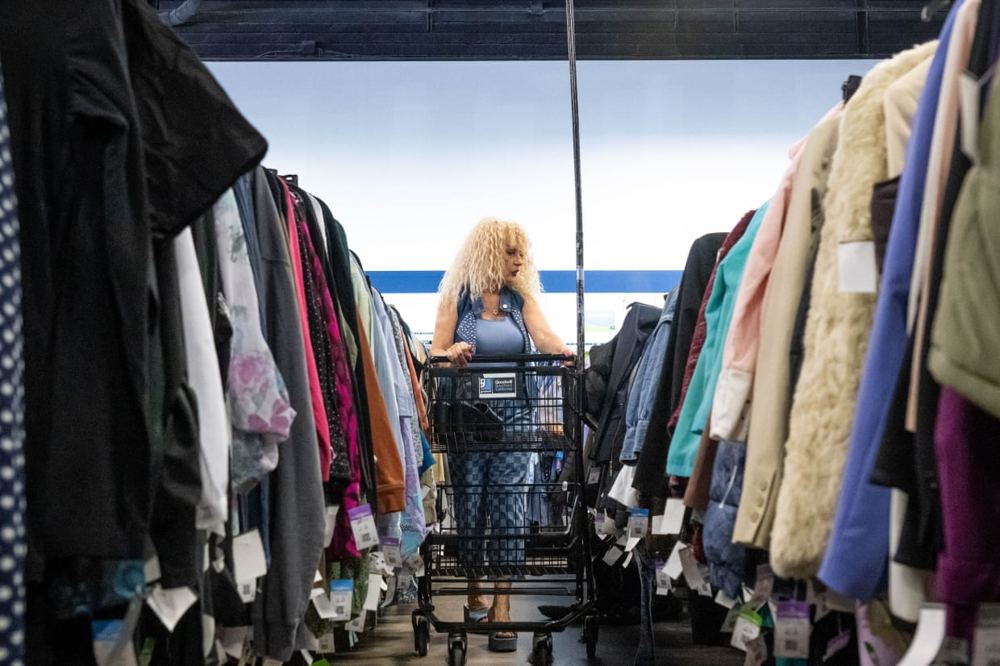
At the lower end of the market, the gold rush is squeezing the low-income shoppers who historically relied on secondhand goods. Thrift giants are capitalizing on surging valuations, with Goodwill posting record revenues of $7bn last year and planning up to 100 new stores. Private equity-backed Savers, the largest for-profit thrift chain in North America with over 300 stores, is opening another 26 locations this year.
Store managers now use resale apps and Google Lens to price donations based on online market rates rather than local purchasing power. This data-driven pricing has sparked consumer frustration over garments that are sometimes priced higher than their original retail tags. What began as an alternative economy has been fully absorbed into the mainstream retail machine, leaving traditional bargain hunters on the outside.