German chancellor Merz overhauls cabinet amid economic stagnation
Chancellor Friedrich Merz has initiated a major cabinet reshuffle to reverse his government's declining popularity and its failure to deliver promised economic growth ahead of crucial state elections.
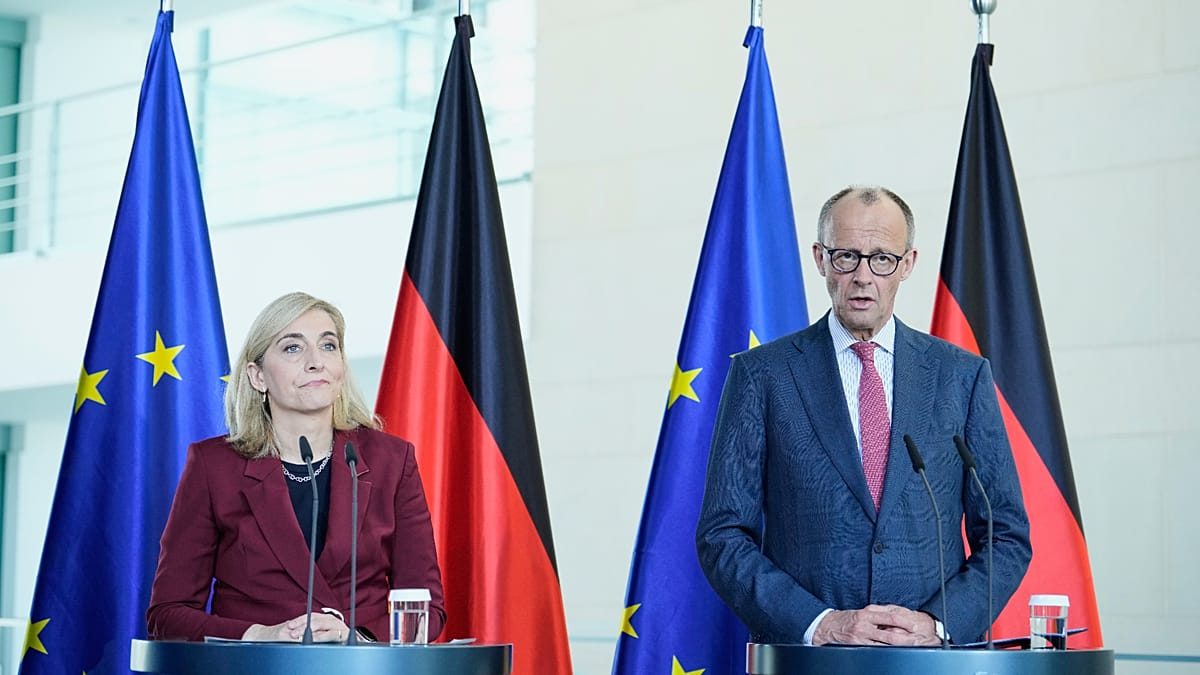
German Chancellor Friedrich Merz announced a major cabinet reshuffle on Friday, moving to restructure his executive team as it struggles to deliver on pledges to reignite the country’s economy. The sweeping personnel overhaul arrives just ahead of a series of critical regional elections. Merz is expected to release further details on the changes tomorrow, with additional ministers likely to be affected.
For European markets and investors, the reshuffle underscores the political fragility surrounding the bloc's largest economy. Germany's stagnant growth remains a primary drag on the broader European economic outlook. Merz's decision to shake up his top administrative and ministerial tiers serves as an implicit acknowledgment that his current government configuration is failing to execute the economic revival he promised.
The domestic political cost of this economic underperformance is becoming increasingly difficult to ignore. Opinion polls indicate a steady decline in public support for Merz's administration. Conversely, the far-right Alternative for Germany (AfD) party has seen its backing grow. Upcoming state elections in Berlin, Saxony-Anhalt, and Mecklenburg-Vorpommern have forced the chancellor to attempt a reset before voters head to the polls.
The most immediate changes involve a chain of personnel moves between the chancellor's inner circle and the health ministry. Nina Warken will step down as health minister to succeed Thorsten Frei as head of the chancellery. Carsten Linnemann, who currently serves as the general secretary of Merz's Christian Democratic Union (CDU), will take over Warken's former role at the health ministry.
Frei's transition out of the chancellery was triggered by a separate scandal last week. He was tapped to lead the Union’s parliamentary group following the sudden resignation of Jens Spahn. Spahn stepped down after announcing that he and his husband had become parents through a surrogate mother in the United States. Because commercial surrogacy is banned in Germany and staunchly opposed by the CDU, the revelation forced his exit.
The transport portfolio is also poised for a change. Patrick Schnieder is reportedly set to leave his post as transport minister. According to reports, Bundestag member Fritz Güntzler is being considered as his successor. Merz signaled that more changes could be imminent, noting in a weekend interview that Spahn's departure provided an opportunity to reorganize his government.