Ireland finds no proof Irish alumina arms Russia, leaves ban to EU
The Irish government has cleared Russian-owned Aughinish Alumina of directly fuelling Moscow’s war machine, shifting the politically sensitive decision over an EU export ban to Brussels.
The Irish government has concluded its investigation into alumina exports to Russia, stating it found no proof the material is arming Moscow's military. "I can confirm that no adverse findings have been determined in relation to the export of alumina to Russia by the company," said Peter Burke, Ireland's minister for enterprise, tourism and employment.
The review, however, stopped short of exonerating the trade. The investigation "has not found concrete or definitive evidence linking the alumina to a weapons manufacturer in Russia," Irish Prime Minister Micheál Martin said. "That said, neither has it found definitive evidence that alumina may not be going to weapons manufacturers."
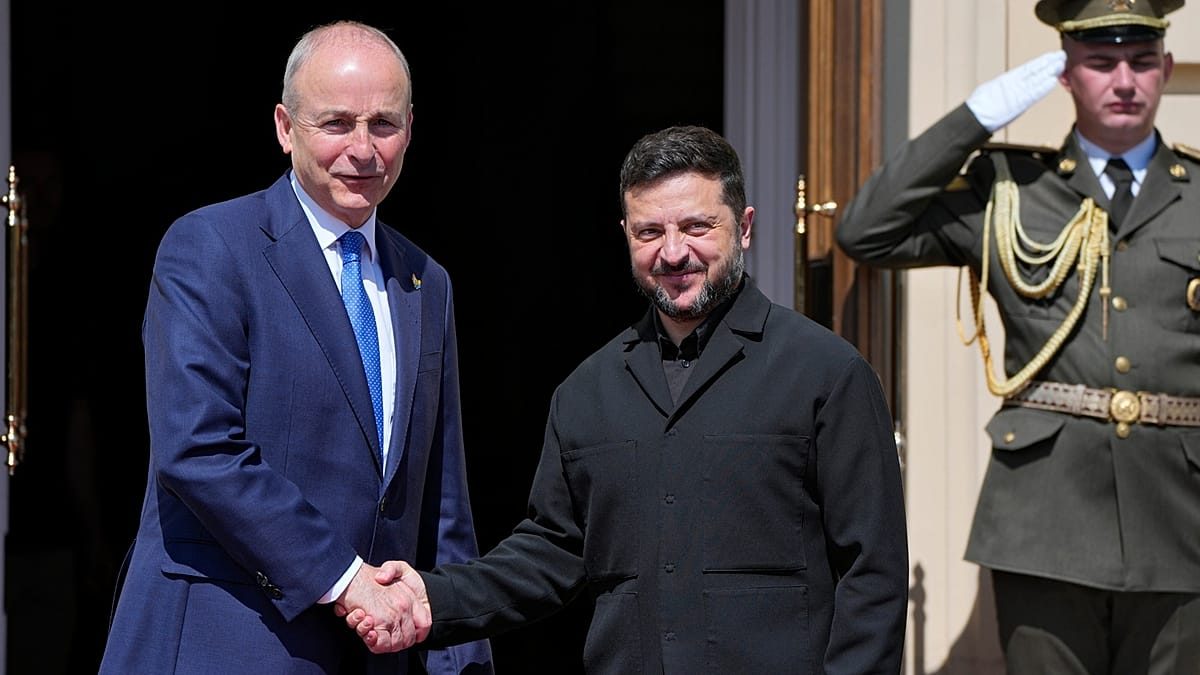
Standing alongside Martin in Kyiv, Ukrainian President Volodymyr Zelenskyy urged Dublin and Brussels to block the shipments regardless. "So the number one task that we have, the issue, is that this does not reach Russia, so that this does not help weapons production and so that this does not fund this war," Zelenskyy said.
Virtually all EU alumina sent to Russia originates from Aughinish Alumina, a sprawling refinery in western Ireland owned by United Company Rusal. After Russia, the largest consumer of Irish alumina is France, highlighting the trade's significance to the broader European economy. A late March media investigation detailed how Rusal supplies aluminium to traders connected to sanctioned Russian defence contractors.
Furthermore, Swedish authorities have determined Rusal remains under the effective control of Oleg Deripaska, a sanctioned Russian oligarch. The Irish probe relied on corporate data claiming Aughinish's exports to Russia are "solely" used for global aluminium sales rather than "military purposes", an assertion the government could not independently verify.
In response to the scandal, Aughinish said it introduced a framework of "independent, third-party verification" to monitor its Russian supply chains. To deter any potential EU sanctions, the company has also raised the prospect of nationalisation. Irish officials have pushed back on this, stating the case does not meet the threshold for a state takeover.
Dublin has sent mixed signals regarding an EU ban, promising not to "cherry-pick" sanctions while warning of the potential impact on local jobs and the environment. The findings allow the government to defuse a scandal that has overshadowed the start of its EU Council presidency.
Dublin has now passed its report to the European Commission, shifting the political burden for an export ban to Brussels. Because the bloc only wrapped up negotiations on its 21st sanctions package this week, new measures will take months to materialise. "We've just received the report from the Irish government, so we still need time to assess it," a Commission spokesperson said.