Spain's retail red tape tops EU charts, harming single market
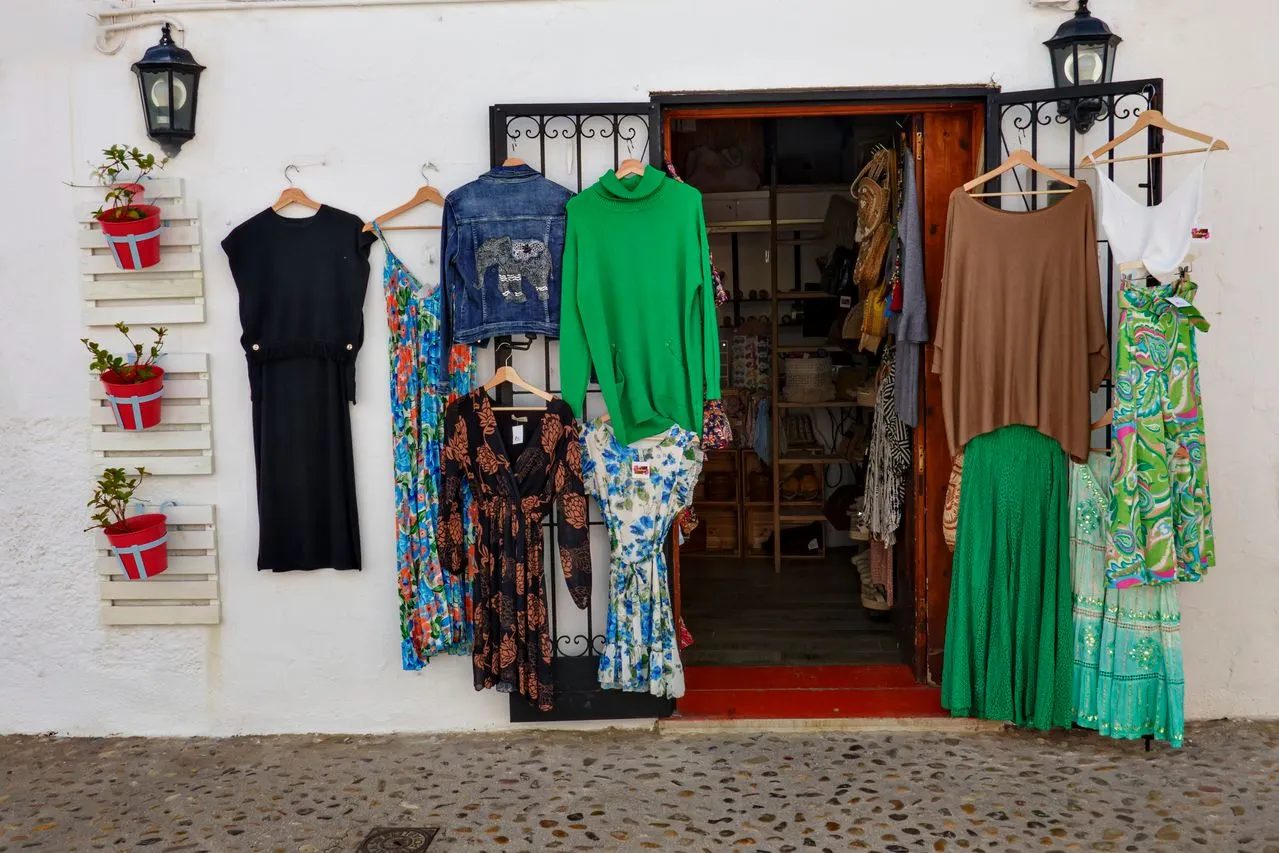
The European Commission has identified Spain as one of the most difficult EU countries to open a shop, warning that regional red tape and strict rules are driving up costs for businesses and undermining the single market.
Spain has been flagged by the European Commission as having some of the toughest barriers to retail trade in the bloc. According to the Spain Country Report 2026, setting up a shop is significantly harder in the country than opening a service business like a bar or a bed and breakfast.
The Commission measures this using a Retail Restrictiveness Indicator (RRI). Spain scores 2.92 on this metric, dwarfing the European average of 1.7. The burden is even heavier for distribution companies, which score 2.60 compared to a European median of 1.20.
Complex authorisation procedures, heavy administrative burdens and long processing times are driving these poor scores. For retailers and investors, these factors translate into direct obstacles that delay operations and drain business investment. This suppresses market competition and limits the sector's ability to grow.
Regional hurdles
The difficulty is compounded by severe fragmentation across Spain's autonomous communities. Companies operating in multiple Spanish regions must navigate entirely different sets of regulations, permits and taxes.
A retailer approved to operate in Catalonia cannot simply expand into Andalusia without repeating the administrative process. The Commission highlighted regional taxation variations, Catalonia's specific tax on sugary drinks, differing language labelling obligations and conflicting rules on worker movement as major burdens.
This regional patchwork creates distinct problems for companies from other EU member states wanting to operate across Spain. It effectively forces pan-European retailers to treat individual Spanish regions as separate markets.
Single market friction
These domestic issues also create friction with the broader European Single Market. Spain's distinct regulations on packaging, waste separation and labelling force companies to adapt their products specifically for the Spanish market.
This bespoke adaptation raises costs for companies operating across several EU countries. The problem is further exacerbated by Spain ranking among the worst member states for transposing EU directives into national law.
The Commission concluded that these layered barriers carry a steep economic cost. "Regulatory barriers, such as high restrictions on retail trade, as well as the fragmentation of the internal market between regions, stifle business dynamism and, ultimately, the prosperity and incomes of workers," the report states.