Spahn's exit lays bare Germany's accountability crisis
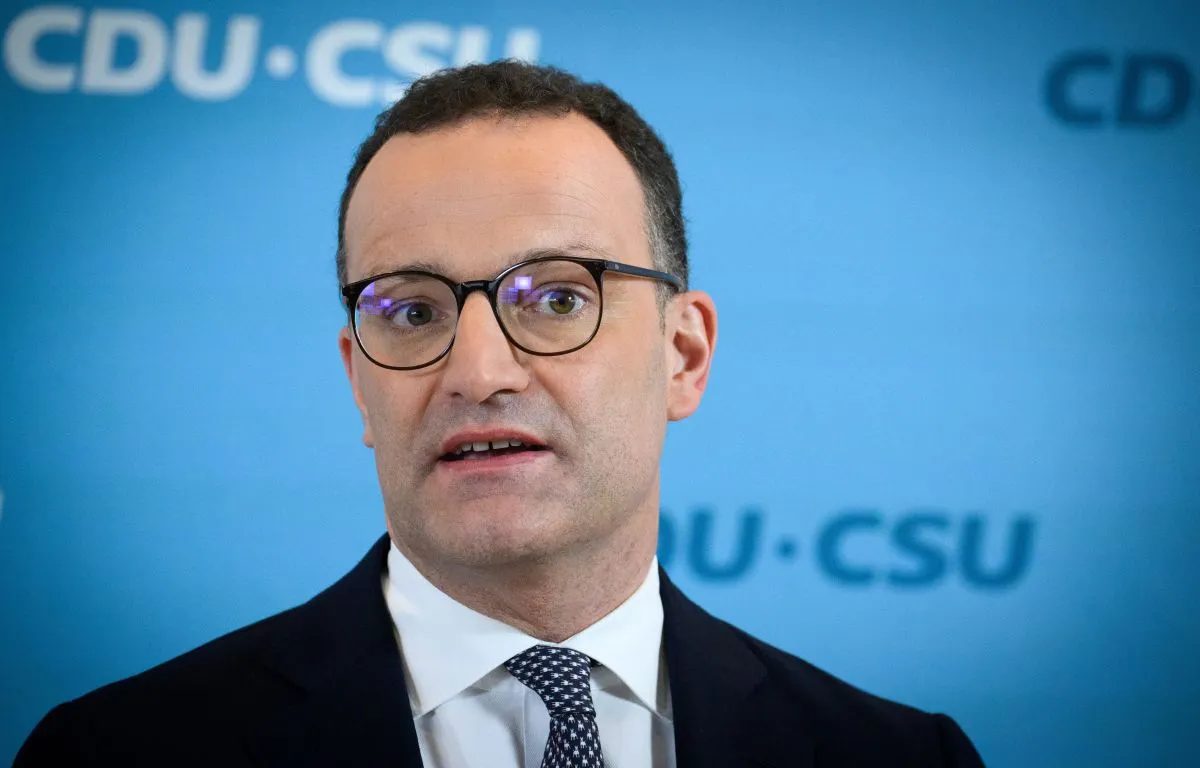
Jens Spahn's resignation over a surrogacy scandal has brought sudden scrutiny to a German political class accustomed to acting with impunity, eroding public trust and fuelling populist support.
Jens Spahn resigned from his parliamentary seat after it emerged he paid an American surrogate mother, a practice he publicly opposed. The speed of his departure surprised observers, given his lengthy history of surviving political controversies.
His exit is a rare instance of a German politician facing immediate consequences for rank hypocrisy. However, the narrow focus on his surrogacy arrangements masks a far deeper, systemic problem of accountability within the country's leading political parties.
As Health Minister during the pandemic, Spahn procured 5.6 billion masks for 5.9 billion euros. A portion of these were sourced from his husband’s company, and he directed millions in contracts to the logistics firm Fiege despite internal doubts about its suitability. Many of these masks were later burned. He had also previously benefited from unusually generous mortgage arrangements with a regional building society on whose advisory board he sat.
Spahn is not an outlier within the conservative CDU/CSU alliance. Georg Nüßlein and Alfred Sauter made millions as pandemic mask-middlemen and were allowed to keep their commissions after a high court ruling. Philip Amthor faced no lasting consequences after lobbying for a defence start-up in which he held a financial stake, as investigators deemed his actions technically legal.
This culture of impunity extends well beyond the conservative bloc. Former Chancellor Gerhard Schröder established a precedent in 2005 by taking a €500,000 annual role helping Vladimir Putin sell gas to Germany. More recently, Manuela Schwesig has remained Minister President of Mecklenburg-West Pomerania despite setting up a charity designed to circumvent US sanctions during the construction of a Russian pipeline.
For the rest of Europe, this persistent double standard in the bloc's largest economy has tangible political consequences. Repeated failures to penalise senior figures have normalised conflicts of interest at the highest levels of government, steadily eroding public trust in democratic institutions.
This erosion directly benefits populist movements. Voters increasingly dismiss criticism of far-right figures like Alice Weidel by pointing to the ethical breaches of the established parties. This dynamic weakens Germany's political centre at a time when European stability relies heavily on Berlin's political cohesion.