New US tariffs impose 12.5 percent levy on Norway and 10 percent on European exports
Washington has enacted new trade levies targeting 60 partners, imposing costs on Norwegian seafood and European exports while prompting diplomatic pushback from Oslo.
The United States implemented new customs duties on Friday, replacing an expiring global trade measure introduced earlier this year by President Donald Trump. The updated levies target 60 trading partners across the globe, establishing a 12.5 percent rate for Norway and a 10 percent rate for the European Union. These new duties establish the baseline for future transatlantic goods trade.
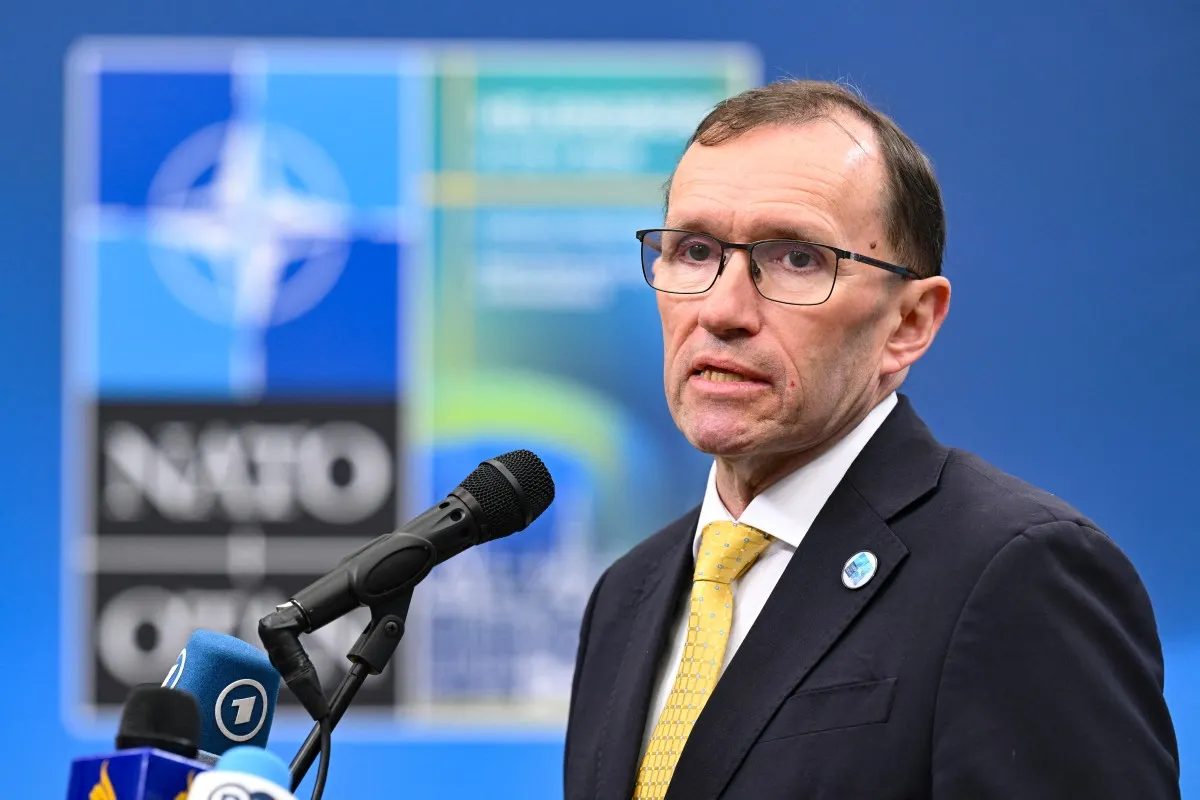
Oslo has publicly rejected the American trade strategy. "We are firmly opposed to the United States's unilateral use of customs duties against Norway and other countries," said Foreign Minister Espen Barth Eide.
"We also dispute the justification put forward by the United States for imposing these new duties," Eide added. Norwegian officials have urged Washington to ensure their products are treated on an equal footing with other European products.
The economic impact for Norway will be concentrated in specific sectors rather than broad manufacturing. While the United States accounts for less than five percent of total Norwegian goods exports, the American market remains a highly important destination for seafood products. This includes Norwegian salmon, which will now be subject to the new 12.5 percent levy.
For the broader European economy, the implementation of the 10 percent levy brings a necessary degree of certainty to transatlantic trade. European officials had previously feared severe American retaliation following a massive financial penalty that Brussels recently issued against US technology giant Google. The finalized rate provides a clear framework for cross-border commerce.
The European Commission welcomed the final tariff structure. "The EU notes positively the fact that this outcome is in line with the US tariff commitments agreed under the EU-US Joint Statement," said European Commission spokesman Olof Gill.