Klopp named Germany coach amid debate over corporate influence in football
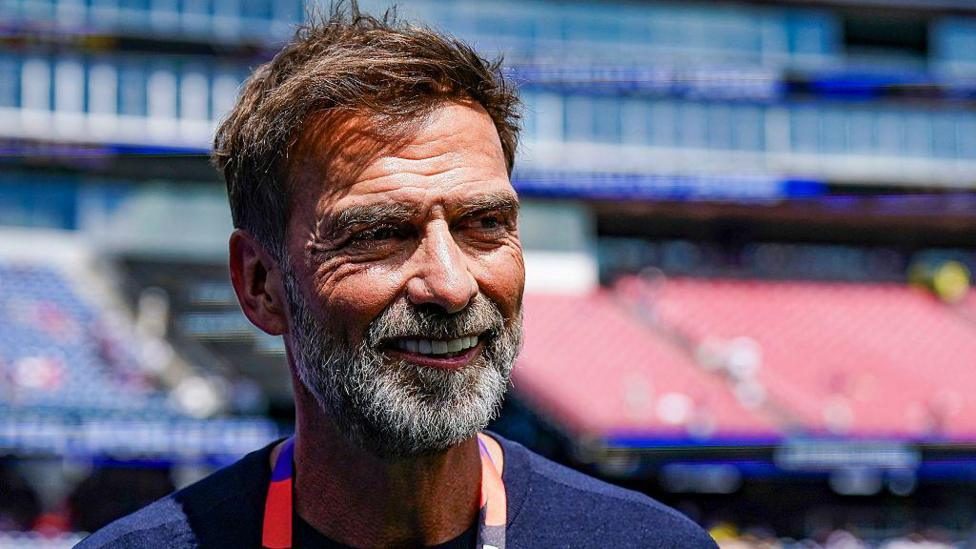
Jurgen Klopp has signed a four-year contract to manage the German national football team, a move that highlights the sport's struggle to balance traditional fan culture with modern corporate investment while attempting to reverse years of competitive decline.
Jurgen Klopp has signed a four-year contract to manage the German national football team, taking charge until the 2030 World Cup. The 59-year-old replaces Julian Nagelsmann, who resigned following a shock penalty shootout defeat to Paraguay that eliminated Germany from the World Cup.
The appointment extends beyond the pitch, touching on Germany's broader public life and the cultural identity of its most popular sport. DFB president Bernd Neuendorf stated that Klopp "embodies passion, credibility, and the ability to inspire people," reflecting a national desire to restore a lost winning mentality.
However, the hire has ignited fierce debate regarding the commercialization of the game. Klopp’s 2024 move to become Red Bull’s head of global soccer alienated traditionalists who view the energy drink company's multi-club model as a circumvention of the 50+1 rule, which protects supporter voting rights.
Fan group Unsere Kurve warned the German football association against allowing the manager to remain a Red Bull brand ambassador. Spokesperson Thomas Kessen argued the governing body must not "kowtow to capital," adding that the manager has squandered significant goodwill among supporters.
Former DFB president Theo Zwanziger echoed these concerns, calling any continued Red Bull affiliation "an absolute no-go" because the corporation "want to win power inside the sport." This friction highlights the tension between Germany's historic sporting traditions and the realities of modern sports economics.
Critics also question whether a managerial change can fix deeper systemic failures. The men's team has failed to reach the last 16 at the past three World Cups, prompting 2014 winner Bastian Schweinsteiger to suggest Klopp might merely act as a "band-aid" for deeper structural woes.
Klopp himself acknowledges that tactical adjustments are insufficient to reverse the decline. "German football as a whole is facing a turning point, we have to change some fundamental things," he told MagentaTV, emphasizing that the rebuild requires root-and-branch reform across all levels.
Despite the controversy, an 80 percent majority of readers in a Kicker poll supported the hiring. Borussia Dortmund chief executive Carsten Cramer believes Klopp "embodies a lot of the things that our football and our country are missing right now," as the team prepares to face the Netherlands on 24 September.