Deutsche Bahn will ban alcohol at all 5,400 stations to improve security
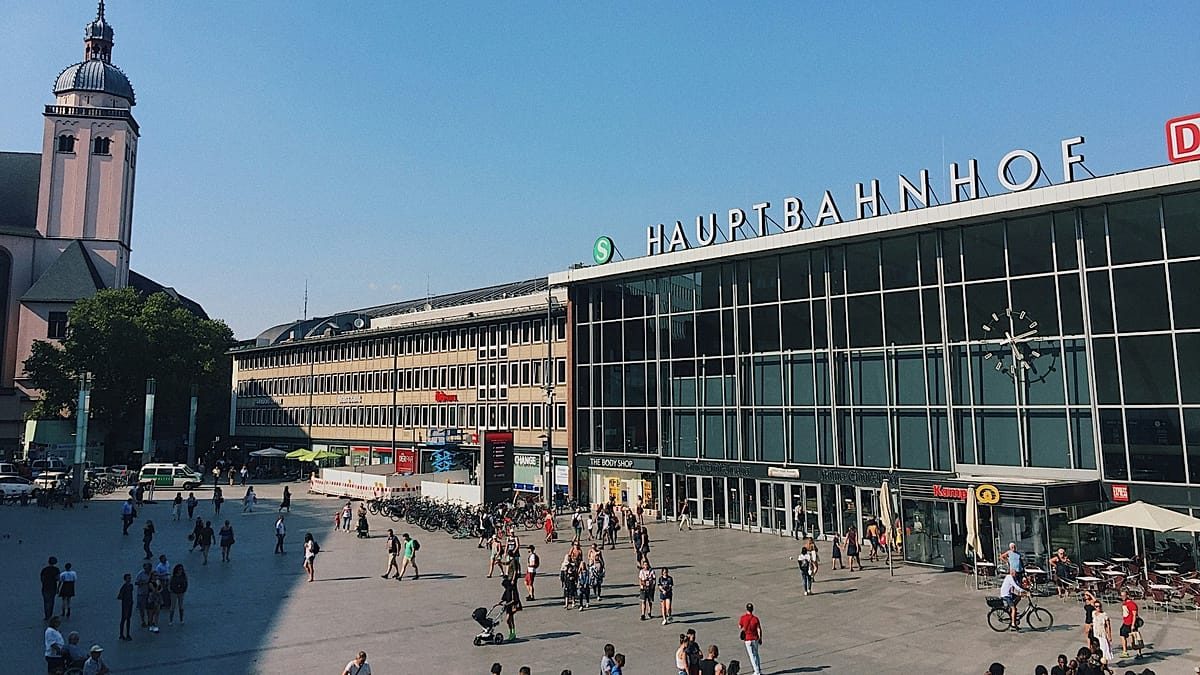
Germany’s national railway operator is prohibiting open alcohol consumption across its entire network of 5,400 stations to combat rising violence and protect staff, affecting daily operations for Europe's largest rail infrastructure.
Deutsche Bahn is prohibiting open alcohol consumption across its entire network of 5,400 stations by 15 October. The phased implementation is designed to enhance safety and hygiene for both travellers and staff.
The policy follows a severe incident last week where an intoxicated passenger allegedly assaulted a security worker during a ticket check. The employee was kicked and beaten, ultimately falling from a moving train and sustaining injuries.
Chief Executive Evelyn Palla stated: “We have observed too often that violence increases where too much alcohol flows.” She described the recent assault as a brutal and senseless attack that highlighted the urgent need for stricter station rules.
The operator has already implemented the restriction at 30 locations, including major hubs in Cologne, Hamburg and Munich. Berlin’s central station and Gesundbrunnen will adopt the measure on 1 September ahead of the full national expansion.
The prohibition applies only to public areas within the stations and does not extend to the trains themselves. Alcoholic beverages will continue to be sold in dining cars on long-distance routes, and passengers may still transport sealed containers in their luggage.
In-station caterers, bars and restaurants are also exempt from the new regulations. However, individuals who violate the rules in public concourses will be removed from the premises.
Repeat offenders face a permanent ban from the affected stations. For Germany, securing its 33,400-kilometre railway network is a massive operational and financial challenge for the national operator.
With an average of 50,000 trains running daily, the infrastructure division manages the continent's largest rail system. Market observers will watch to see if the ban reduces security costs, lowers liability risks and improves the overall commercial reliability of the service.
The financial implications extend beyond immediate security expenses. A safer, more predictable environment could help the national operator retain commuters and protect its broader commercial interests across the European transport sector.