Ukraine targets Russian supply chains as EU expands sanctions on banks and shadow fleet
Kyiv’s deep strikes on Russian logistics facilities coincide with the European Union’s most aggressive sanctions package in four years, intensifying economic pressure on Moscow’s war machine.
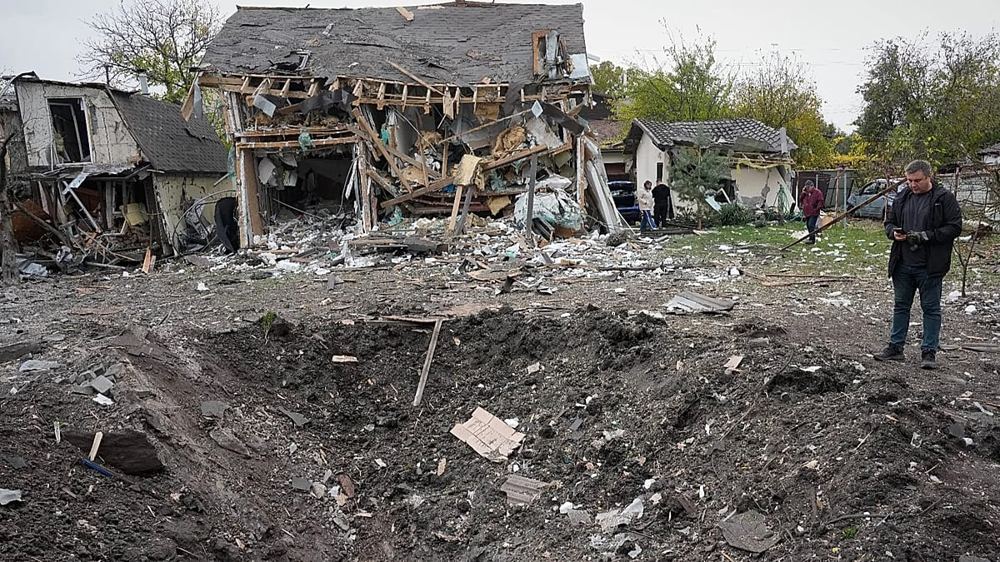
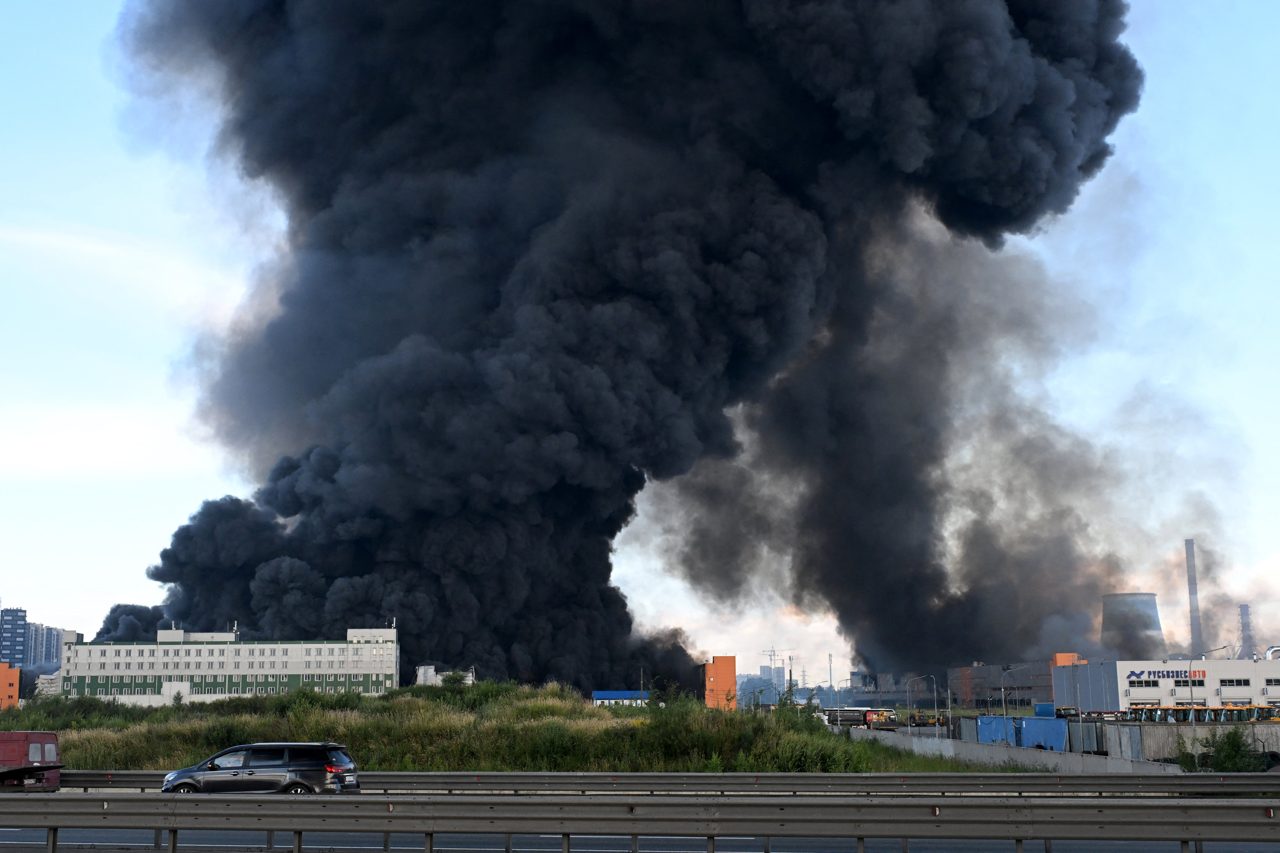
Ukrainian forces have launched strikes against a key missile components facility in the Russian city of Kirov and an oil installation roughly 1,350 kilometers away. Simultaneously, a Russian attack on an energy facility in the northern Ukrainian city of Chernihiv cut power to approximately 150,000 residents on Friday, while air defenses in Kyiv repelled fresh aerial assaults, according to Mayor Vitali Klitschko.
President Volodymyr Zelenskyy described the strike on the Kirov facility as entirely justified, noting it supplied components for Russian aircraft and missile systems previously used against Ukrainian communities. He emphasized that operations targeting Russian logistics networks supplying drone components, navigation equipment, and military gear remain actively underway.
This military strategy increasingly focuses on major commercial logistics hubs within Russian territory. Over the past week, Ukrainian forces have targeted multiple facilities belonging to Wildberries, a major retail giant, signaling a deliberate shift to disrupt civilian-military supply chains.
For European markets and investors, these coordinated disruptions represent a calculated effort to multiply the financial burden on Russian businesses and the state budget. By degrading the logistics that sustain the occupying army, Kyiv aims to strain the economic foundations that allow Moscow to prolong the conflict beyond its fourth year.
Reinforcing this pressure, the European Union unveiled its most extensive sanctions package against Russia in four years on Thursday. The measures target nearly 220 individuals and entities, explicitly designed to squeeze the Russian economy and diminish its capacity to fund the invasion.
EU foreign policy chief Kaja Kallas stated that the new restrictions hit over a hundred banks and crypto operators, more than 40 vessels in Russia’s shadow fleet, and several oil refineries in Russia and Belarus. She argued that Moscow will only negotiate an end to the war and stop civilian casualties if it faces sustained economic coercion.
The convergence of deep Ukrainian strikes on domestic Russian infrastructure and Brussels’ tightened financial noose marks a significant escalation in economic warfare. Investors and European policymakers will now watch closely to see how effectively these combined measures fracture Russia’s logistical resilience and shadow economy.