Swiss farmers turn to crowdfunding to buy cattle feed amid severe drought
A Basel-Country farming couple has raised thousands of francs online to purchase emergency fodder, highlighting the growing economic strain that extreme weather places on European agriculture.
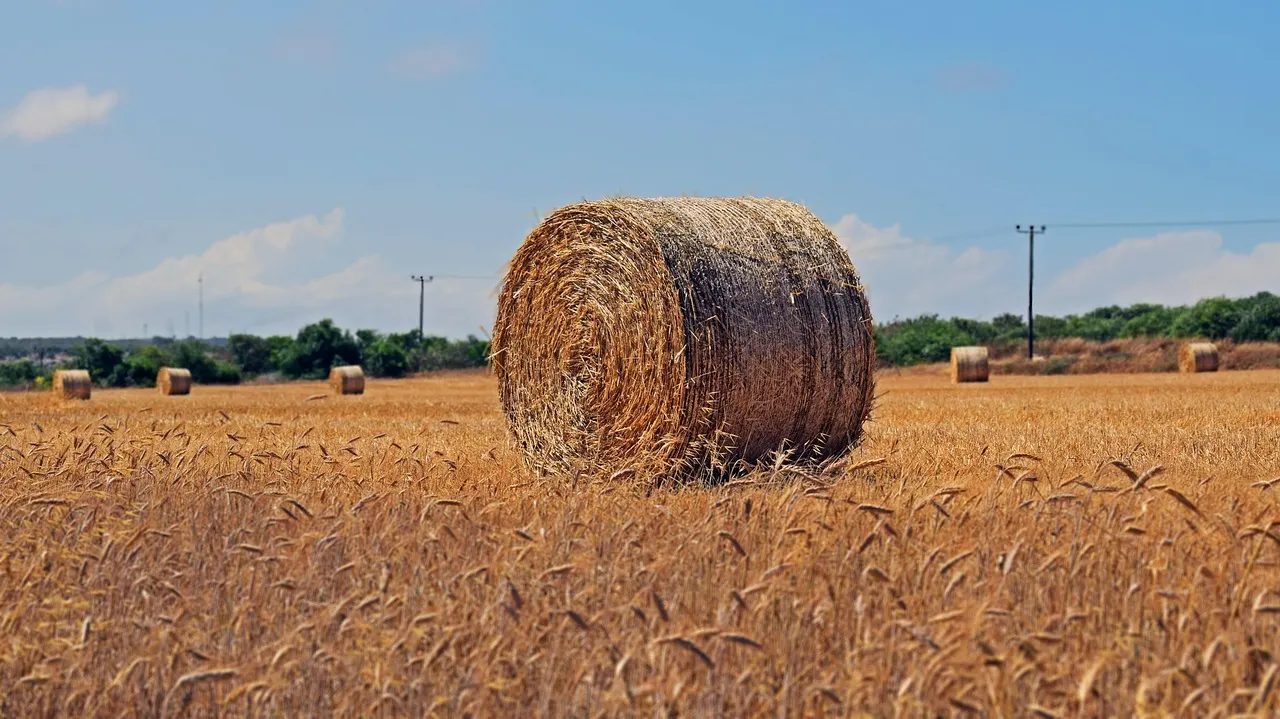
Farmers in Switzerland’s Basel-Country are relying on public donations to secure basic animal feed as an ongoing drought depletes local crop yields. Sandra and Philippe Rosset launched a crowdfunding campaign to purchase hay for their 30 dairy cows after their own supplies ran dry.
The initiative aims to source fodder from regions less affected by the dry weather, specifically targeting farms that do not have their own livestock to feed. “Due to the ongoing drought, we currently lack the necessary supplies to adequately feed our cows,” the couple wrote on their GoFundMe page, noting that every donation helps buy feed. They added, “With your support, we can ensure that no cow has to go to slaughter, but can continue to live a happy, healthy, and species appropriate life here on our farm.”
The public response has quickly surpassed the campaign's initial target of 3,500 francs. More than 100 contributors have now pledged over 12,700 francs to keep the herd fed and maintained on the farm.
Economic Vulnerability in Agriculture
This grassroots financial stopgap underscores a broader vulnerability within the European agricultural sector. As climate volatility increasingly disrupts traditional fodder production, small-scale operators face mounting pressure to liquidate assets or absorb unsustainable feed costs.
For investors and agricultural markets, such episodes signal rising operational risks in dairy farming. When regional harvests fail, the traditional supply chains that stabilise feed prices fracture, forcing individual farmers to seek alternative, often unpredictable, funding mechanisms to survive.
The situation reflects the delicate balance of a national industry that manages approximately 1.5 million cows. The cultural and economic weight of this livestock is significant, supported by highly organised practices ranging from meticulous statistical tracking to specialised coaches who work with cows to recreate pasture-like conditions in winter stables.
Popular bovine names like Fiona, Diana, Bella, Bianca, and Nina may dominate the national pastures, but the underlying economics are becoming stark. When local harvests fail, the financial burden of maintaining Switzerland’s dairy herds is increasingly shifting from agricultural markets to public charity.