Airlines fail 1.3bn disabled passengers as automation rises
Airlines are systematically failing disabled passengers by treating accessibility as an afterthought in automated travel systems, excluding a market of 1.3 billion people.
Paralympian Hannah Babalola was denied access to an onboard toilet on a KLM flight from Cape Town to Amsterdam on 26 May. The 37-year-old athlete was told by the captain and crew that the aisle chair was unsafe to use during turbulence, and police were called when she refused to forgo bathroom access for the 11-hour journey.
Her experience highlights a systemic failure across the aviation industry to accommodate disabled travellers. Approximately 16% of the global population, or 1.3 billion people, experience significant disability. Yet airlines increasingly treat this demographic as a conditional burden rather than a standard customer base.
Research by Sarah Richardson, who surveyed 36 disabled travellers for her MBA, found that half encountered problems "almost always". More than 83% experienced stress and anxiety, leading many to restrict food and drink or wear nappies before flights. Richardson concluded that as travel infrastructures automate to boost economic returns, accessibility is being stripped out of the system design rather than integrated into it.
"Travelling systems are just not made for people with disabilities, and things have got worse with automation," Richardson says. "Accessibility for disabled travellers is increasingly treated as a conditional service rather than something baked into the design of systems."
Regulatory frameworks offer only fragmented protection. The UK’s Civil Aviation Authority outlines rights for accessible air travel, but these rules apply only to departures from UK airports or return flights on UK or EU carriers. This leaves disabled passengers vulnerable to shifting rules and airline discretion on international routes.
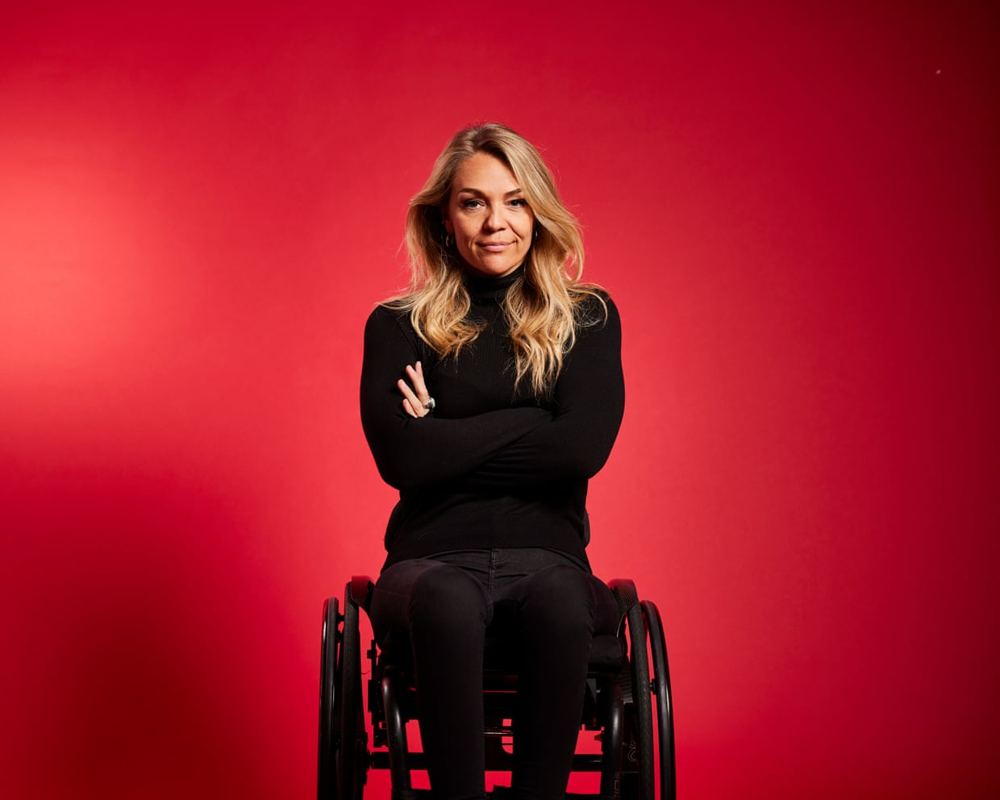
Sophie Morgan, co-founder of the campaign group Rights on Flights, argues the issue stems from corporate apathy rather than a lack of understanding. "I honestly think that if the airlines could ban us from flying, they would," she says. "They actually know full well, but they just don’t care."
The practical consequences of this market failure are severe. Wheelchairs are routinely damaged in aircraft holds, effectively trapping passengers upon arrival. One man whose electric wheelchair was broken on an Emirates flight to London on 18 May has been confined to his home, unable to attend medical appointments or shop independently.
For frequent flyers like Hasan Adeel, who has muscular dystrophy, the message from airlines is clear. "I feel that for airlines, rules are ranked higher than humanity," he says. "But you can’t argue with the airlines or they won’t let you get on the plane."