EU faces 10-12.5% US tariffs as Trump switches legal grounds
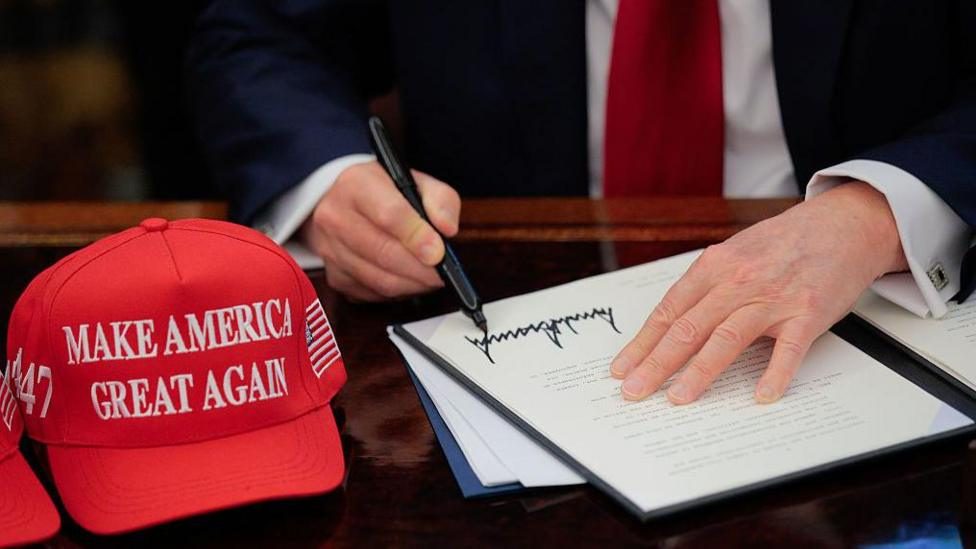
The US has imposed fresh tariffs on the EU using alternative legislation following a Supreme Court ruling that struck down President Trump's original import taxes, prolonging trade uncertainty for European exporters.
The United States has imposed tariffs of 10% to 12.5% on goods from the EU and its other top 60 trade partners. The move follows a February 2026 Supreme Court ruling that blocked the White House from using emergency powers to levy import taxes. Rather than retreating, the administration has systematically switched legal justifications to keep the barriers in place.
After the court struck down tariffs imposed under the International Emergency Economic Powers Act, tens of billions of dollars were refunded to companies. The White House briefly used Section 122 of the Trade Act of 1974 for a temporary 10% global tariff that expired on 24 July. It has now replaced that with Section 301 duties of 10% to 12.5%, officially citing failures to tackle forced labour, though one trade expert noted this is merely a legal workaround to continue imposing taxes.
Not all European exporters are facing the same burden. The UK secured a bilateral deal in June 2025 locking in a 10% tariff on most of its £58bn in annual US exports, a rate preserved in the latest announcement. That 10% rate applies to the first 100,000 UK vehicles exported every year, with additional cars facing a 25% tariff. UK whisky imports have had tariffs removed following the King's state visit, while UK steel faces a 25% duty.
For European industry, the constant shifting of legal ground creates deep uncertainty. The IMF warned in January 2026 that these tariffs have "definitely [slowed] down global activity". The persistent threat of new taxes is accelerating a "re-wiring" of global trade, with US allies increasingly seeking alternative markets rather than relying on American demand.
The tariffs are failing to achieve their stated goal of reducing US imports, which actually increased by 4% in 2025. Instead, the taxes are feeding inflation and distorting the market. A Goldman Sachs study in October 2025 estimated that 55% of the charges were passed on to American consumers, a dynamic confirmed by major retailers like Target and Walmart.
European policymakers and investors must now accept that US trade barriers are a structural reality, regardless of domestic court rulings. With the administration also applying new tariffs to Brazilian goods and hitting Canada with 50% duties under separate legislation, the legal strategy may change, but the protectionist trajectory will not.