Meloni balances EU influence and transatlantic right ties amid authoritarian concerns
Three years into her premiership, the Italian prime minister’s balancing act between Brussels and the transatlantic right raises questions about the future of European governance and market stability.
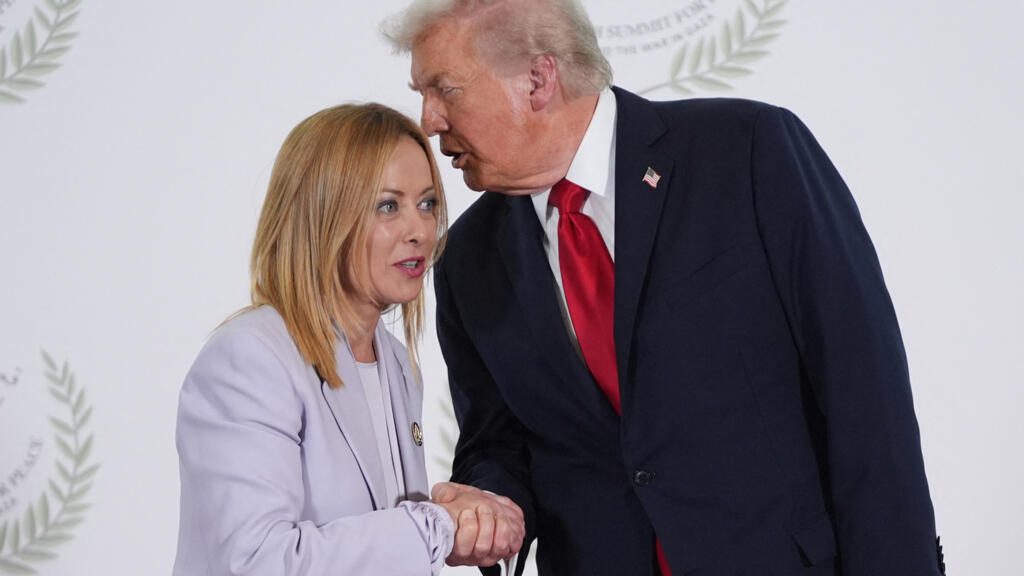
Italian Prime Minister Giorgia Meloni has consolidated her role as a bridge between the MAGA movement and Europe’s radical right, marked by her invitation as the sole European leader to Donald Trump’s second inauguration in 2025. Concurrently, she has actively sought to strengthen Italy’s influence in Brussels by moderating some of her previously hardline positions.
Since making history as Italy’s first female prime minister in 2022, Meloni has navigated a complex political evolution. Her ideological affinity with Trump has elevated her global profile, yet this outward projection requires careful domestic and European management to avoid alienating key institutional partners.
Critics argue that this pragmatism is a calculated move to remain politically influential within the European Union. By softening her rhetoric, she aims to secure Italy’s standing in Brussels negotiations, though this strategic shift has drawn scrutiny regarding her original political commitments and voter base.
The roots of this trajectory trace back more than two decades to the post-fascist National Alliance, where Meloni began her political career. Gianfranco Fini, the founder of that party, recently provided his perspective on her evolution in an interview, highlighting the stark distance between her early origins and her current mainstream role.
Despite these concerted efforts to project mainstream credibility, fundamental concerns remain regarding her governing style. Historian and Italian politics specialist Marc Lazar assesses that her first three years in office have revealed authoritarian tendencies in her approach to governance, complicating her moderate international image.
This balancing act reflects a broader trend among European right-wing leaders seeking to reconcile nationalist agendas with the practical demands of EU membership. Meloni’s ability to maintain this equilibrium will likely dictate Italy’s economic and political trajectory in the coming years.
For European markets and investors, this political duality presents a nuanced and carefully watched landscape. A prime minister who moderates her stance to ensure stability in Brussels may offer the predictability that economic actors require for long-term planning. However, the authoritarian tendencies noted by specialists suggest that institutional checks and balances could face pressure, introducing potential regulatory and political risks for companies operating in Italy.