Hofesh Shechter’s junior company explores rave culture in London
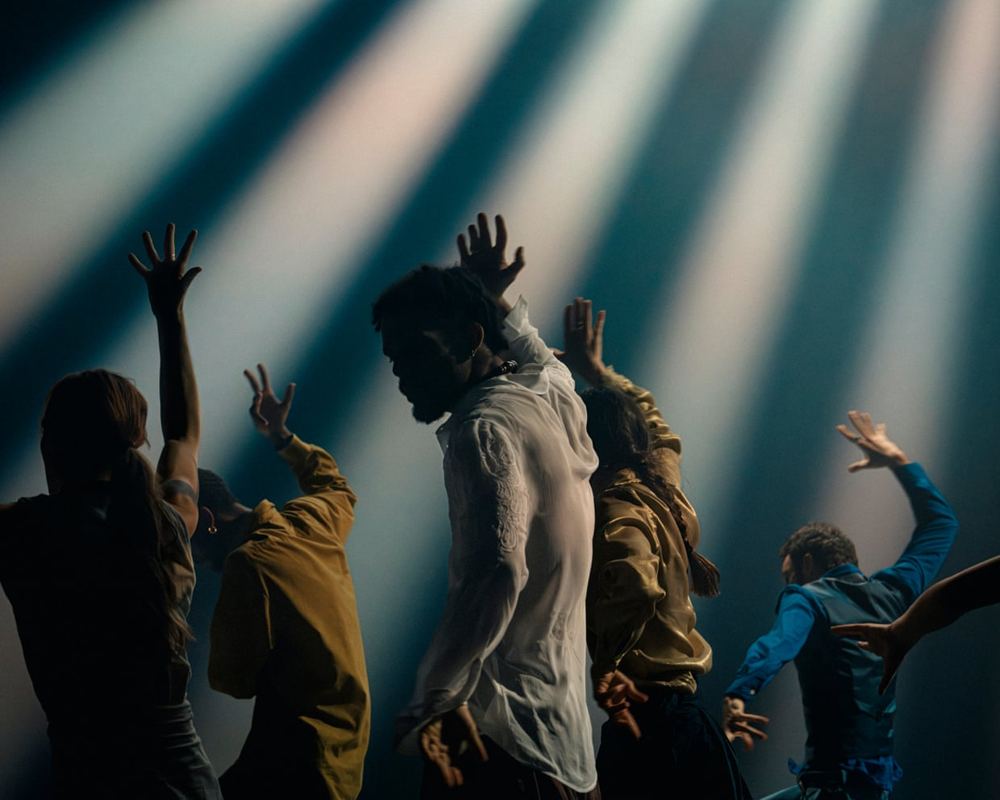
The choreographer’s latest work at Queen Elizabeth Hall highlights the ongoing evolution of European dance music on the contemporary stage through a globally sourced youth ensemble.
Hofesh Shechter’s junior company, Shechter II, has premiered In the Brain at the Queen Elizabeth Hall in London. The performance marks the latest evolution of a piece originally created as Cave for the Martha Graham Dance Company in 2022. The show features a collection of some of the best young dancers under 25.
The production relies on a cross-border talent pipeline, drawing performers selected from around the world. This international recruitment brings a hungry energy of youth to the stage. It highlights how European cultural institutions are actively sourcing global talent to sustain their artistic output and develop new generations of performers.
Musically, the show bridges British and German electronic traditions through a collaboration with the German techno duo Âme. Shechter, who writes his own beat-driven scores, provides a dusky and moody foundation rather than traditional party bangers. Lighting designer Tom Visser complements this with a subterranean aesthetic, using dim glows and subtle shades to maximize atmosphere.
For the European cultural landscape, the production signals a shift in how contemporary dance engages with rave culture decades after the genre's initial boom. While the second summer of love was 38 years ago, repetitive beats and tribal gatherings remain central to the contemporary stage. Shechter’s earlier works leaned into angst, but this iteration focuses on getting lost in the music.
The performance balances this rhythmic pull with quiet moments, slow builds, and structural detours such as a brief swing dance. It also features a couples’ slow dance, proving the piece is not simply an all-out party. Ultimately, the exceptional dancers throw themselves into a pulse-quickening celebration of communal movement.
The production does not necessarily break new ground for the choreographer, but it successfully translates the raw energy of the dancefloor into a refined theatrical experience. This approach ensures that the rhythmic pull of rave culture continues to resonate with contemporary audiences across the continent.