UN development chief warns EU aid cuts will trigger compounding crises
As Germany and the UK slash foreign aid to boost defence spending, the UN development chief warns this reactive pivot will undermine European security by fueling the mass migration and armed conflicts it seeks to prevent.
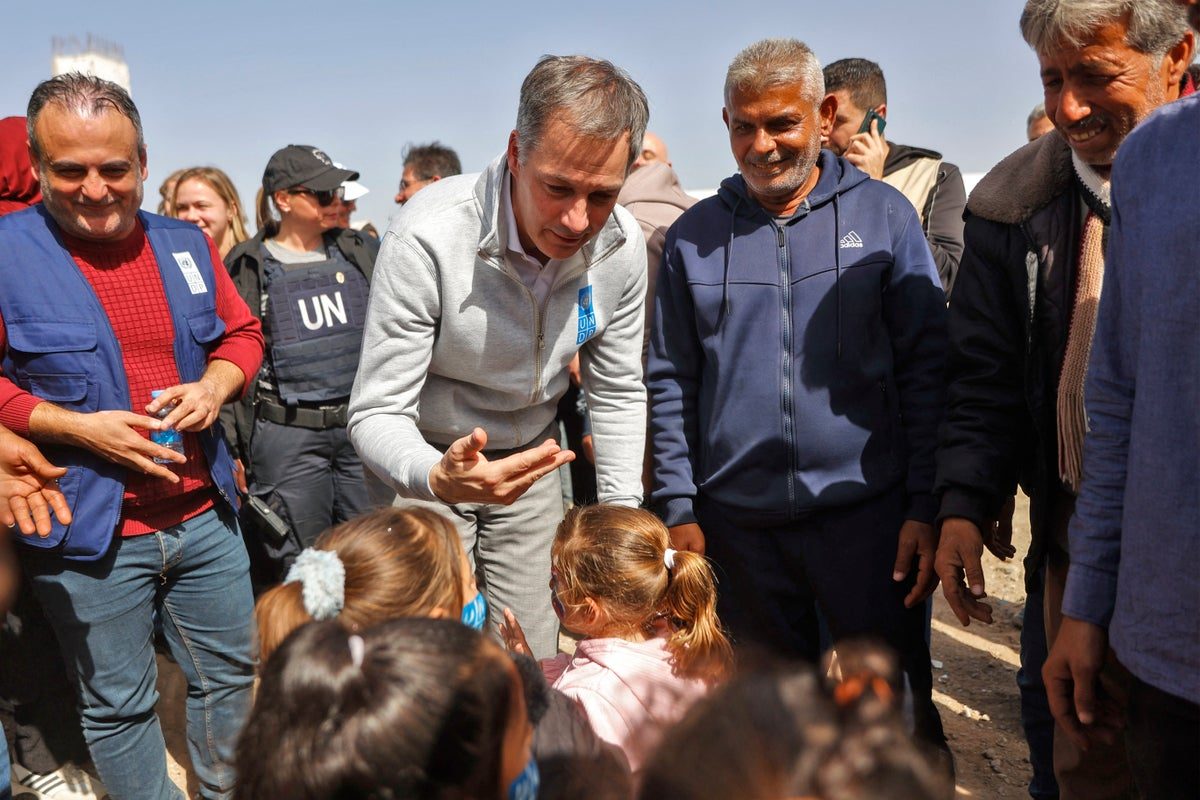
Alexander De Croo, head of the UN Development Programme, cautioned that the European Union faces a cycle of endless emergencies if it maintains its current trajectory of reducing foreign assistance. The former Belgian prime minister stated that making the "biggest mistake" of turning away from remaining globally "engaged" represents a critical strategic error.
This warning arrives as major European capitals actively redirect their national budgets toward military commitments. Germany’s draft budget for 2026 outlines significant reductions in official development assistance to satisfy new Nato defence targets. Simultaneously, the UK plans to slash bilateral support to certain African nations by up to 90 per cent by 2029, effectively halving its overall aid to the continent.
Specific humanitarian allocations are facing severe reductions, including a 29 per cent drop for the Democratic Republic of Congo during an ongoing Ebola outbreak and a 58 per cent cut for Lebanon. De Croo argued that increasing military budgets without complementary development initiatives is "not going to be very effective". He urged "proactive" strategies to lower armed conflict and mass migration rather than relying on "reactive" disaster response.
These European reductions compound the sudden withdrawal of American funding earlier this year. The Trump administration dismantled the US Agency for International Development in early 2025, freezing almost all foreign assistance and cancelling the vast majority of its aid programmes. This abrupt shift left thousands of health and humanitarian projects without financing almost overnight.
The combined financial shortfalls have triggered widespread closures of health facilities and the loss of tens of thousands of frontline jobs across maternal healthcare, childhood vaccinations, and nutrition services. A recent survey of HIV organisations revealed that more than 1,700 clinics have closed across 46 countries, eliminating 16,000 jobs and threatening decades of progress against the epidemic.
The broader security implications for Europe are becoming increasingly visible in global data. A study published in Science linked the abrupt American withdrawal to a sharp increase in violent conflict across previously reliant African regions. Furthermore, researchers in The Lancet estimated these systemic disruptions could result in over 14 million preventable deaths by 2030, including 4.5 million children under five.
For European investors and corporate supply chains, escalating instability in emerging markets introduces significant operational risks and disrupts international trade. De Croo emphasized that failing to address root causes abroad will force the continent to continually pay the high cost of dealing with "one crisis after another".