UK art institutions open summer exhibitions exploring mental health and rural life
A new wave of exhibitions across London and Edinburgh is drawing public attention to historical and contemporary artists who document psychological struggle, digital uncertainty, and rural poverty.
Galleries and museums across the United Kingdom are opening a diverse slate of summer exhibitions, ranging from Victorian psychological portraits to contemporary investigations of digital truth. The seasonal programming underscores the continued role of public cultural institutions in framing complex social narratives for modern audiences.
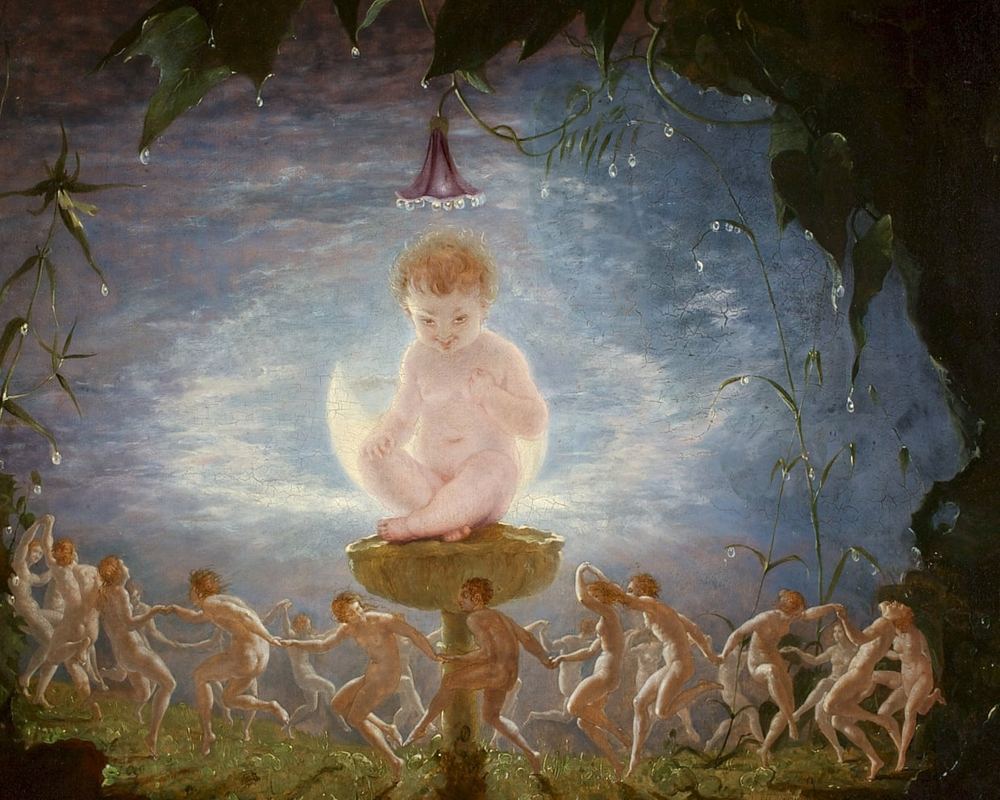
At the Royal Academy in London, the exhibition Richard Dadd: Beyond Bedlam runs from 25 July to 25 October. It showcases the surreal and unsettling canvases painted by the Victorian artist both before and after his confinement in the Bedlam psychiatric hospital.
Posthumous discoveries are also shaping the current cultural calendar. The Richard Saltoun Gallery in London is displaying dreamlike, multi-media works by Felicity Powell, who died in 2015 after documenting her own cancer experience. Similarly, the recent death of Cornish sculptor Ray Exworth has revealed a secret body of breathtaking work previously hidden from the public in his private sheds.
Contemporary galleries are actively addressing modern anxieties. Seventeen Gallery in London is hosting Autopsy until 15 August, featuring artists like Paul McCarthy and Chino Moya. The show uses UFOs and the Roswell alien to examine the inaccessibility of truth in the digital age.
Meanwhile, Clare Woods presents new pastoral and horticultural paintings at Pitzhanger Manor and Gallery from 29 July until 8 November. The exhibition delves into nature in a manner that directly suits the current summer season.
In Scotland, Dovecot Studios in Edinburgh is hosting Elizabeth Blackadder: A Life in Colour until 14 November. The exhibition pairs tapestries by the late Scottish artist with her paintings and drawings to highlight her distinctive use of colour.
Alongside new exhibitions, established institutions are reframing historical works to highlight their social relevance. The National Gallery in London is currently highlighting Vincent van Gogh’s Head of a Peasant Woman, painted around 1884.
Before embracing expressionism, van Gogh viewed art as a social vocation aimed at documenting rural poverty. This early ambitious project, created in Nuenen in the south Netherlands, culminated in his famous 1885 painting The Potato Eaters. The gallery notes that the painting captures a tension between the subject's workaday appearance and a richer, more elusive inner life.