Over 30 Polish opposition MPs face expulsion in PiS party split
The fracturing of Poland's main opposition party pits pro-business moderates against hardliners, reshaping the political landscape ahead of the 2027 elections in the EU's largest eastern economy.
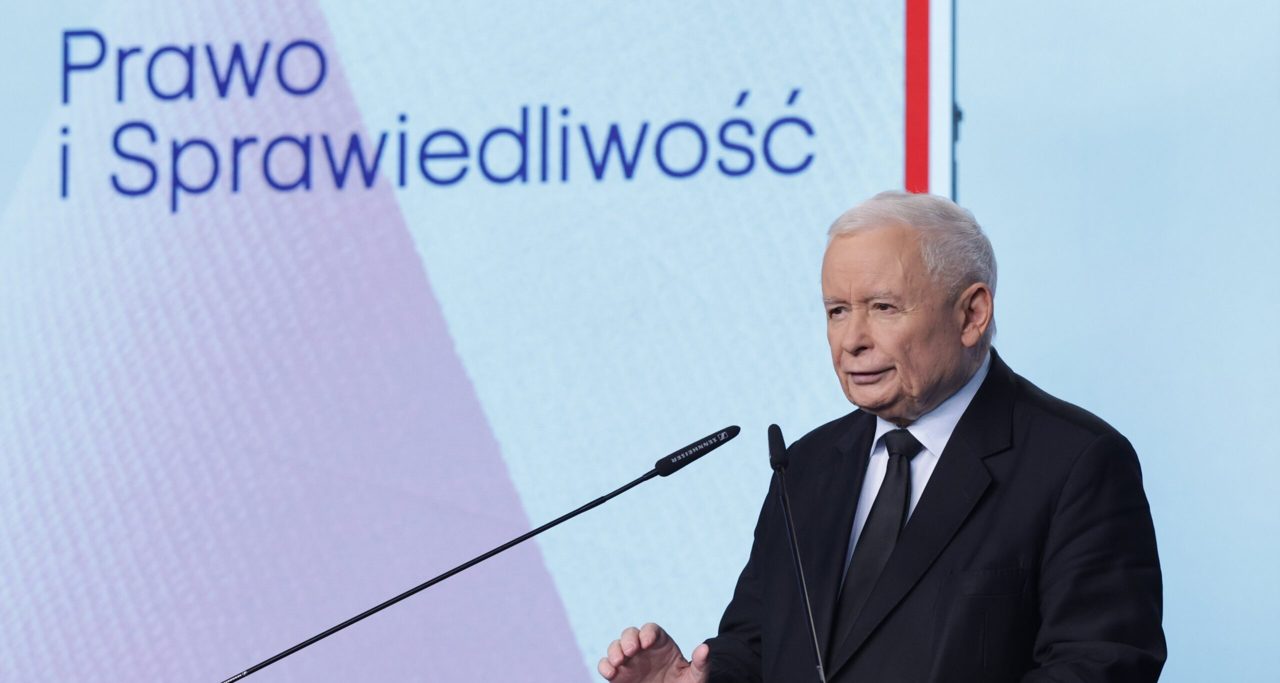
Poland’s national-conservative Law and Justice (PiS) party is expelling more than 30 of its MPs after they refused to sign a loyalty pledge, party leader Jarosław Kaczyński announced on Friday. The move effectively fractures the country’s main opposition force ahead of autumn 2027 parliamentary elections.
The departing lawmakers are aligned with former prime minister Mateusz Morawiecki, who founded an association called Development Plus in April. PiS issued a resolution last week demanding its parliamentarians withdraw from such external groups by midnight on Thursday. "Everyone knew what they were supposed to sign, and knew the consequences of not signing," Kaczyński said.
Kaczyński framed the refusal as a deliberate breakup. "In this situation, we cannot view the [Development Plus] association as anything other than a component of a plan…to split our party," he said. However, he stated the party wants to "part ways without any animosity." The expulsions are expected to be formalised at a political committee meeting on Tuesday.
Morawiecki pushed back against the narrative that his faction had quit. "We fought for the unity of Law and Justice until the very end," he told reporters, claiming an unnamed "small group of schemers" had tried to turn Kaczyński against him. He said his group includes 40 MPs, one senator and three MEPs, though three of the MPs are not PiS members.
A battle for the party's direction
The rupture exposes a deeper strategic crisis within a party that dominated Polish politics for two decades. Since losing power in 2023, PiS has seen its polling fall to 23-24%, a 14-year low, while far-right parties Confederation and KKP now poll at a similar combined level.
In response to the far-right threat, Kaczyński named hardliner Przemyszław Czarnek as PiS’s candidate for prime minister in March. Morawiecki, a former international banker and finance minister, has argued this shift toward culture wars and Euroscepticism is alienating centrist voters. His faction wants PiS to return to a technocratic focus on economic development.
The failure of an April truce between the two leaders indicates that Poland's right-wing opposition will likely enter the next election cycle divided. For European markets and investors, the split introduces unpredictability into the future economic direction of the EU's largest eastern economy, potentially weakening the opposition's chances of forming a stable government in 2027.