EU narrows Russian visa ban to protect French and Italian tourism
The EU has agreed in principle to ban short-stay visas for Russian combatants, but only after France and Italy successfully narrowed the scope to protect lucrative Russian tourist revenues.
The European Union agreed on Thursday to a visa and entry ban targeting Russians who have fought in Ukraine since February 2022. The measure, part of the bloc's 21st sanctions package against Moscow, will obligate member states to refuse short-stay visas to returning combatants. It is expected to become operational by October.
The policy reveals a tangible tension within the bloc between tightening security and preserving economic interests. France and Italy successfully pushed to narrow the ban so it applies exclusively to those who served in the Russian Armed Forces since the invasion, rather than anyone affiliated with the military. Both nations argued that a broader restriction would threaten lucrative tourist flows.
The financial stakes behind this lobbying are considerable. Italy issued over 160,000 Schengen area visas at its two Russian consulates last year, up nearly 8,900 from the prior year. France issued over 156,000 visas over the same period, a 26 percent increase representing 32,657 additional travellers.
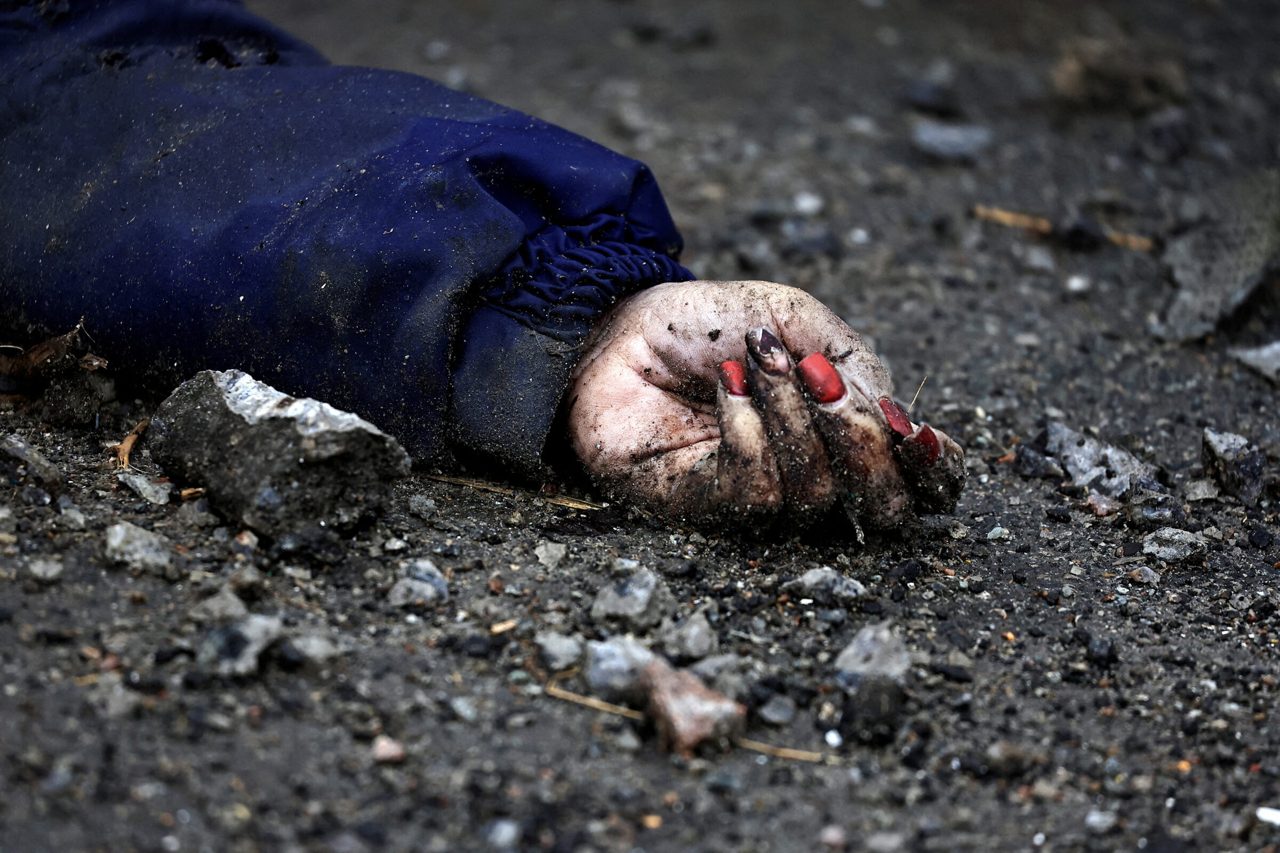
The final text reflects this economic caution. “It is a very important measure also in terms of security for Europe,” said an EU official. To justify the targeted approach, the sanctions document notes that many combatants were recruited from Russian prisons, radicalised, and exposed to or participated in war crimes. “If allowed to travel or relocate to Europe, they could become involved with organised crime or extremist movements or become agents of hostile operations,” the text warns.
Despite its publication, the mechanism remains agreed in principle rather than operational. The European Commission must first resolve practical hurdles, primarily defining the exact type of evidence required to prove an individual saw combat. “Sometime in the autumn, October ideally, because a few things have to be done,” a second EU official said.
Once those evidentiary standards are drafted, the proposal returns to the Council for final approval. The timeline is deliberately calibrated to avoid disrupting the summer holiday period, ensuring the peak tourism season concludes before the restrictions take effect.